The best bike fender set for road bike use is the one that fits your frame and tire width cleanly, stays quiet over rough pavement, and gives enough coverage to stop the gritty rooster tail that soaks your shoes and drivetrain.
If you have ever finished a wet ride with a striped jersey, sandy brake tracks, or a chain that sounds like it ate a handful of gravel, you already know why fenders matter, even on a “fair weather” road setup. The tricky part is that road bikes vary a lot in clearance, brake type, and mounting points, so the “best” set depends on what your bike can actually accept.
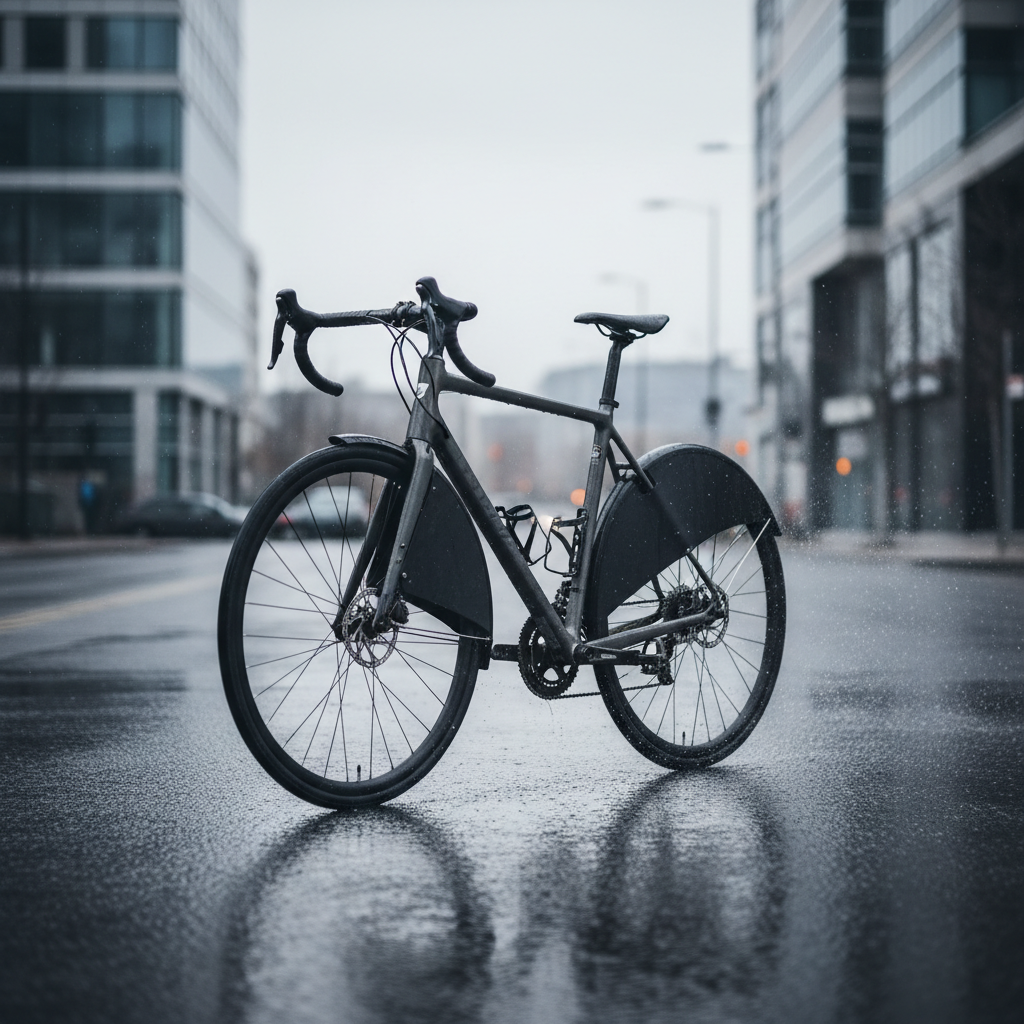
This guide focuses on how to choose well in 2026, what specs actually change your experience, and how to avoid the common mismatch where a set looks great online but rubs, rattles, or leaves your feet soaked anyway. You will also get a quick decision checklist, a comparison table, and practical install tips that save time.
What “best” really means for a road bike fender set
Most buyers think the decision is about brand or material, but road-bike fenders usually succeed or fail on three boring details: coverage, clearance, and mounting stability.
- Coverage: Full-coverage fenders (with a long front section and a rear that reaches low) keep your feet, bottle cages, and bottom bracket area far cleaner than short “race blades.”
- Clearance: A road frame with 28–32 mm tires might still have limited room at the fork crown and seat stay bridge. Tight clearance increases rubbing risk when wheels flex or pick up debris.
- Mounting stability: A fender that shifts 2–3 mm becomes a noise machine. Stable mounting matters more than shaving grams.
According to PeopleForBikes, safer, more comfortable biking environments and equipment help remove barriers to riding. Fenders are one of those “barrier removers” for commuting and shoulder-season training because they reduce discomfort and maintenance hassle.
Quick fit check: will fenders even work on your road bike?
Before you shop, confirm what your bike can accept. This is where many purchases go sideways, especially with modern disc road bikes that look roomy but hide tight pinch points.
5-minute self-check (no tools beyond a flashlight)
- Tire width: Note your labeled size (for example 700x28). Measure actual width if you run wide rims.
- Brake type: Rim brakes can limit space at the caliper, discs usually free up that area but not always at the fork crown.
- Mount points: Look for threaded eyelets near the dropouts and a bolt hole at the fork crown and seat stay bridge.
- Clearance check: If you can barely slide a 4–5 mm hex key between tire and frame in the tightest spot, many full sets will be finicky.
- Use case honesty: If you ride in steady rain or on gritty winter roads, prioritize coverage over minimalism.
If you have no eyelets, you are not out of luck, but you will lean toward strap-on or clip-on systems. They can work well, just expect a bit more compromise on stability and coverage.
Comparison table: common road-bike fender set types
Instead of chasing one universal “winner,” it helps to pick the category that matches your frame and riding patterns, then choose the best-made option in that category.
| Type | Best for | Pros | Trade-offs |
|---|---|---|---|
| Full-coverage, bolt-on (with stays) | Commuting, long wet seasons, endurance miles | Maximum spray control, quiet when installed well | Needs clearance and mounts, install takes time |
| Full-coverage “eyelet-free” (strap/adapter) | Road bikes without mounts | Strong coverage without permanent hardware | More fiddly, can shift if straps loosen |
| Clip-on / blade style | Group rides, occasional showers | Fast on/off, fits many frames | Less coverage, feet and drivetrain still get hit |
| Aero / minimal sets | Racing-adjacent setups, very tight frames | Lightweight, compact | Often loud, limited protection, sensitive to alignment |
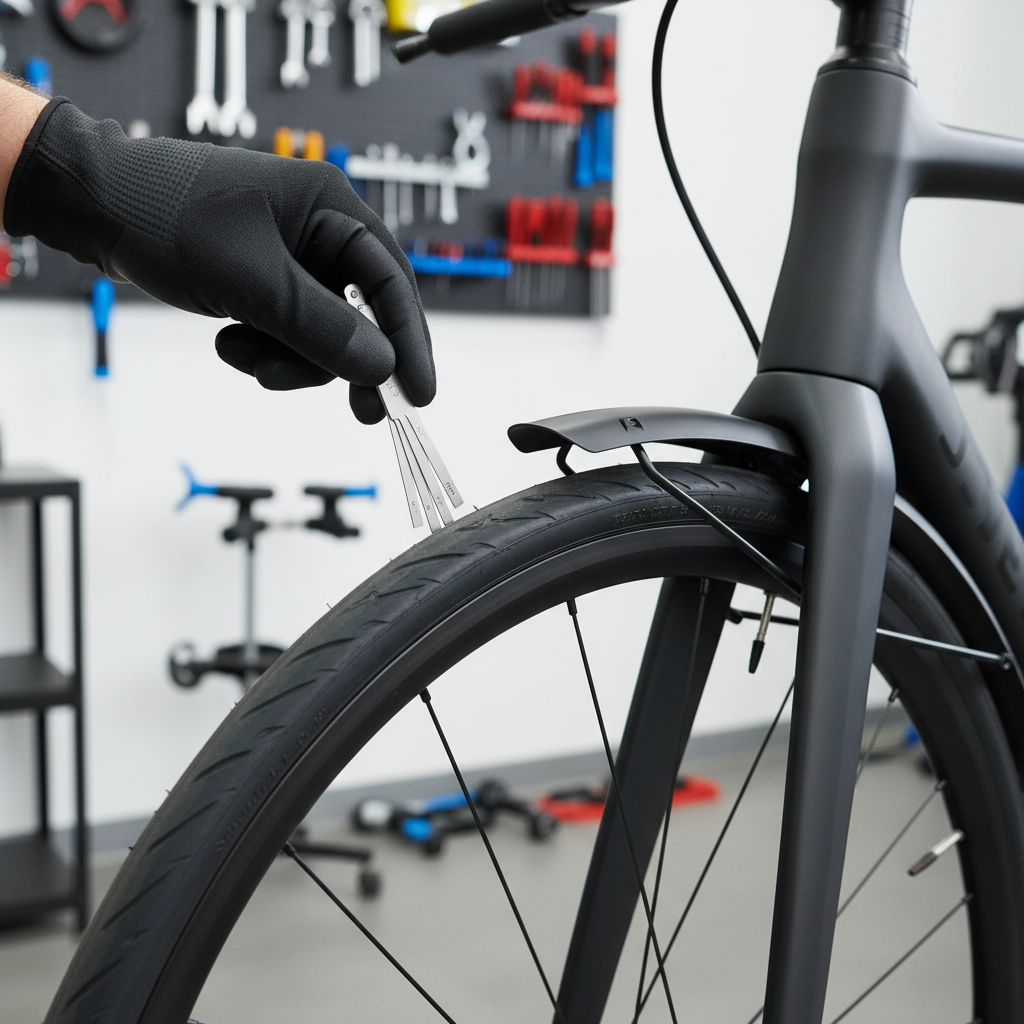
Key takeaway: If you are truly hunting the best bike fender set for road bike commuting, full coverage wins most of the time, as long as your frame can accept it without constant rubbing.
How to choose the right fender set (the details that matter in 2026)
Specs on product pages can feel generic, so here is what usually makes a real difference once you put miles on the setup.
1) Coverage length and “toe zone” protection
Many road riders underestimate how much spray comes forward and outward. Look for a front fender that extends low enough to protect shoes, and consider a small extension flap if you regularly ride through puddles.
2) Width matched to tire + real clearance
A fender labeled for 28 mm tires may still rub if your tire measures 30 mm on wide rims. When in doubt, choose a fender that is slightly wider, but only if you have the space.
3) Stays, struts, and hardware quality
Stainless stays resist corrosion and hold alignment better. Cheap hardware tends to loosen, and that is where the rattles start. If you ride rough roads, this matters more than weight.
4) Noise control and vibration
- Look for sets with solid mounting points and stiff profiles.
- Prefer designs that allow fine centering adjustments.
- Plan to use protective tape where the fender touches the frame.
According to Park Tool, correct adjustment and secure fasteners are foundational for safe, quiet bicycle operation. Fenders are no exception; “almost tight” often becomes “annoying” after one wet ride.
Scenario picks: what “best” looks like for different riders
Below are practical pairings that keep you from overbuying or choosing the wrong style for your real usage.
Daily commuter on a road bike (rain happens, roads are gritty)
- Choose: full-coverage with stays, add a front flap if possible
- Why: keeps feet and drivetrain cleaner, reduces post-ride maintenance time
- Watch for: heel strike on rear fender if you use large panniers
Fitness rider who gets caught in surprise showers
- Choose: mid-coverage or clip-on with decent length
- Why: fast install, less hassle if most rides stay dry
- Watch for: rear spray hitting riders behind you, add a longer rear section if you ride in groups
Endurance rider doing long base miles through shoulder season
- Choose: stable full-coverage, prioritize quietness
- Why: 3–5 hours in the rain makes small annoyances feel huge
- Watch for: frame clearance at the seat stay bridge, this is a common rub point
If you are between two categories, lean toward more coverage. The best bike fender set for road bike riding is usually the one you stop thinking about halfway through the ride.
Installation tips that prevent rubbing, rattling, and cracked fenders
Even a premium set can perform badly with a rushed install. Give yourself time, and do a short test ride before you trim anything permanently.
- Center the wheel first: If your wheel is slightly off in the frame, you will chase phantom rubbing forever.
- Start loose, then tighten: Get alignment correct with hardware barely snug, then tighten evenly.
- Use frame protection: Clear protective tape where clamps or bridges contact paint prevents scuffs and squeaks.
- Set a safe gap: Aim for a consistent gap around the tire, then spin the wheel and listen.
- Trim stays carefully: Cut once, after you confirm final position. Many sets cannot “un-cut.”
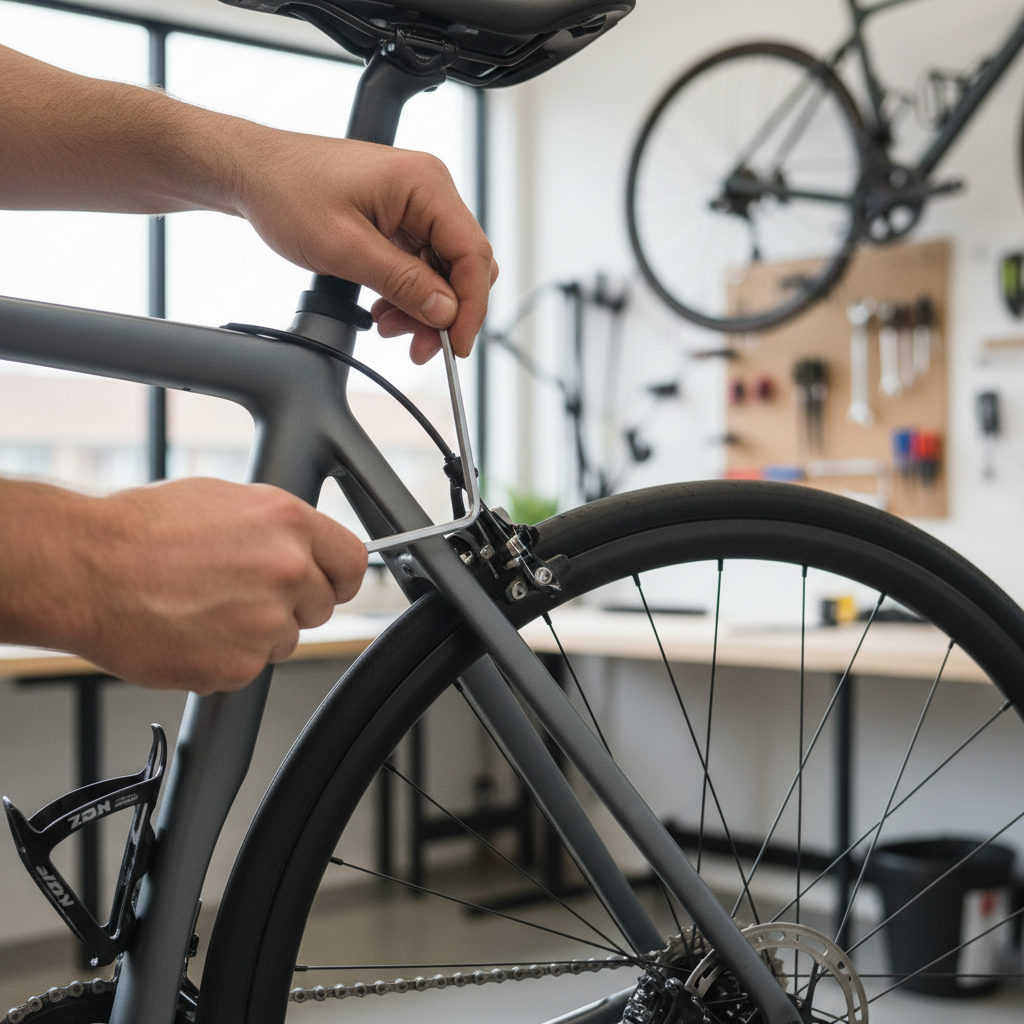
Safety note: If your fender sits extremely close to the tire, debris can get trapped and cause a sudden stop. That risk depends on roads and conditions, so if you ride on gravelly shoulders or winter slush, consider more clearance or consult a shop for setup.
Common mistakes (and what to do instead)
- Mistake: buying for tire size only. Do instead: shop by tire size + measured clearance + mounting points.
- Mistake: assuming “no eyelets” means clip-ons only. Do instead: look at adapter/strap systems designed for road frames.
- Mistake: accepting minor rubbing. Do instead: re-center and re-tension stays, then confirm wheel true.
- Mistake: ignoring the front fender length. Do instead: prioritize front coverage if wet feet drive you crazy.
- Mistake: over-tightening plastic bridges. Do instead: snug plus threadlocker where appropriate, avoid crushing parts.
One more subtle one: mixing “aero” frames and full fenders can create weird interference at the fork crown. In that case, a slightly shorter, stiffer design often works better than forcing a long fender into a tight space.
Conclusion: a practical way to pick your 2026 fender set
Choosing the best bike fender set for road bike use comes down to fit and coverage, not hype. If your frame supports full coverage, that route usually pays off with cleaner rides and less drivetrain wear; if it does not, a well-designed strap-on system can still get you most of the benefit.
Action steps: measure your real tire width and tightest clearance point, then decide whether you want full coverage or quick-removal convenience. Once the set arrives, do a careful install and a short wet test ride before you declare it “done.”