Finding the best bike phone mount waterproof usually comes down to two things you feel on the first wet ride: whether your phone stays readable in the rain, and whether the mount stays steady when the road gets rough.
A lot of riders buy a “waterproof” mount, then discover the touchscreen won’t respond, the case fogs up, or the clamp creeps on the handlebar after a few miles. The good news is you can avoid most of that with a quick, practical checklist and a realistic pick based on your riding style.
This guide breaks down what “waterproof” really means for phone mounts, the trade-offs between sealed cases and open mounts, and how to choose something that fits your bars, your phone, and your routes without turning your cockpit into a science project.
What “waterproof” means for a bike phone mount (and what it doesn’t)
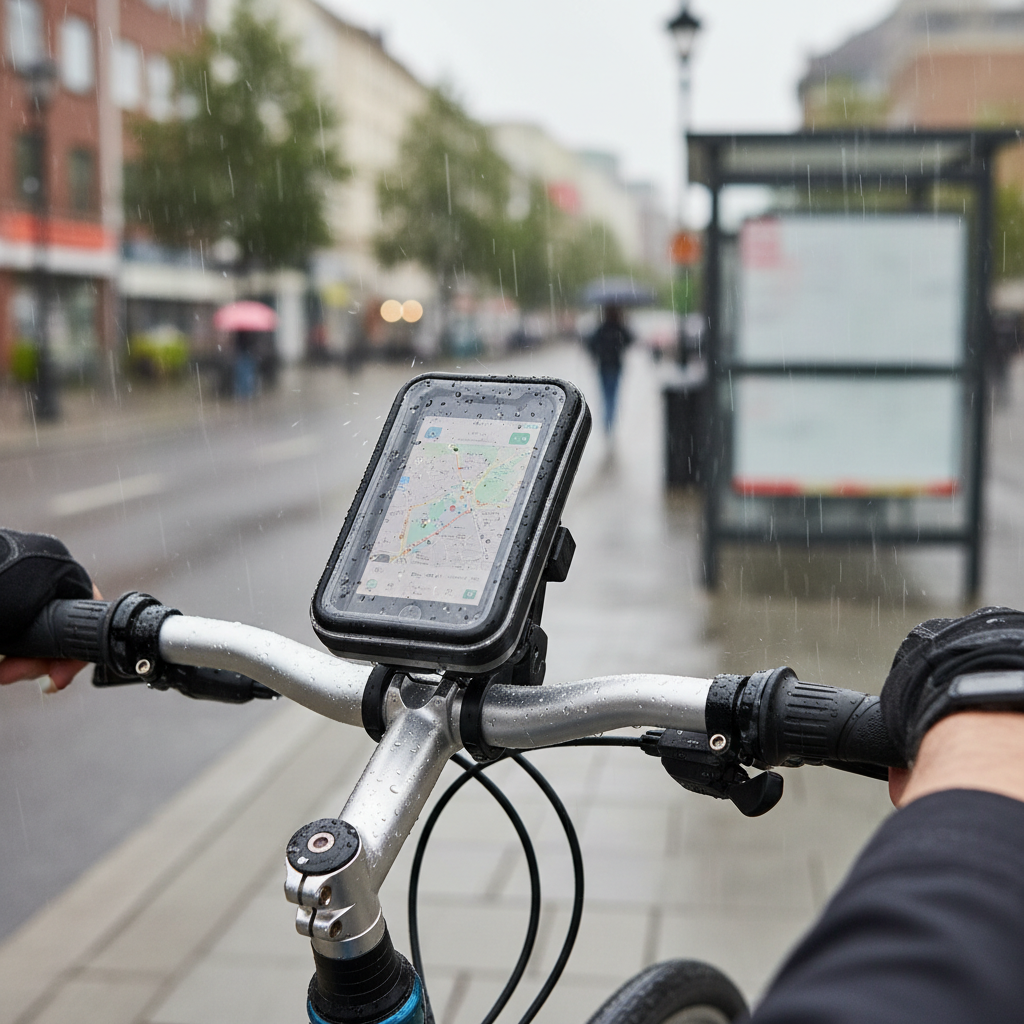
In product listings, “waterproof” can mean anything from “handles splashes” to “fully sealed for heavy rain,” and that gap creates most disappointment. A mount can be stable but not sealed, or sealed but annoying to use.
Look for an IP rating when possible. IPX ratings describe water resistance, not dust. IPX4 typically covers splashes, IPX6 leans toward heavy spray, IPX7 covers short immersion. Not every mount brand publishes an IP rating, so when it’s missing, read the fine print and assume it’s more “weather-resistant” than truly waterproof.
Also, waterproofing a phone mount does not guarantee your phone stays safe from everything. Heat buildup, lens fogging, and charging-port access are separate issues, and riders notice them quickly on longer rides.
According to Apple and Samsung, water resistance can vary by model and may reduce over time with wear, drops, or repairs, so even if your phone claims IP68, a good mount still matters in real rain.
Two main styles: sealed waterproof case mounts vs open mounts + phone waterproofing
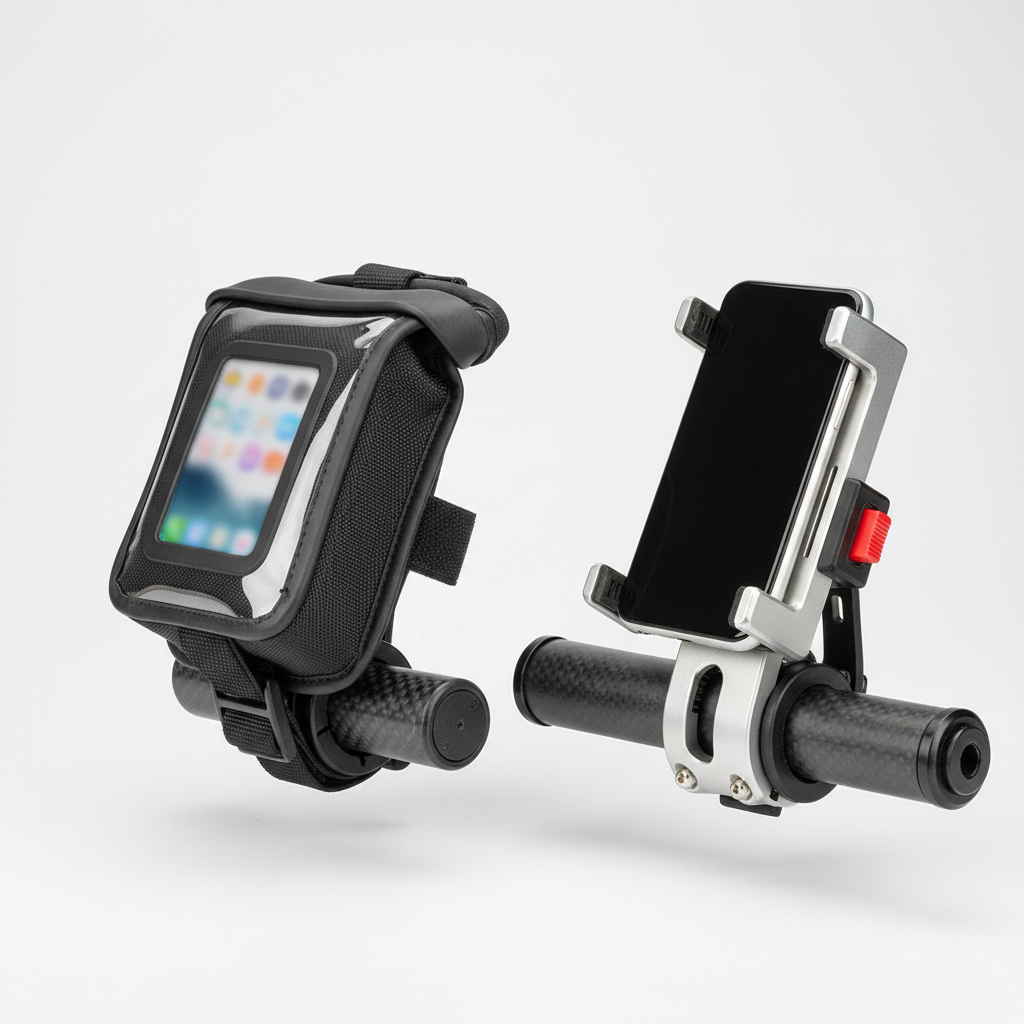
This is the big fork in the road. Most “waterproof bike phone mount” searches are really about choosing between these two setups.
1) Sealed waterproof case mounts
These are the pouch-style or hard-shell covers that wrap the phone. They’re popular for commuters and casual riders because they’re straightforward: mount + cover in one.
- Pros: Rain protection for older phones, shields from road grit, usually works with budget devices.
- Cons: Touch response can be finicky when wet, glare is common, fogging happens, and some cases overheat in direct sun.
2) Open mounts (quad-lock style, clamp/grip style) with a waterproof plan
Open mounts hold the phone without enclosing it. The “waterproof” part comes from your phone’s rating, a rain cover, or a dedicated waterproof case on the phone itself.
- Pros: Best screen clarity, easiest camera access, better cooling, faster in-and-out at stoplights.
- Cons: You must trust your phone’s water resistance or add protection, and cheap open mounts can loosen over time.
For many riders, the best bike phone mount waterproof experience is actually an open mount paired with a genuinely water-resistant phone case, plus a simple rain cover for downpours.
Quick self-check: which option fits your rides?
If you’re stuck between styles, use this quick reality check. It’s less about “best overall” and more about what you’ll tolerate after week three.
- I ride in real rain often (commuting, errands): lean toward a sealed case mount or open mount + serious rain cover.
- I need fast phone access (food delivery, frequent stops): open mount usually feels less frustrating.
- I use gloves most rides: open mount wins for touch accuracy; sealed windows can be hit-or-miss.
- I ride bumpy roads or gravel: prioritize a locking interface or very solid clamp, not just “waterproof.”
- I want to charge while riding: check whether the mount blocks the port, and how the waterproof seal handles a cable.
If two items above already annoy you, that’s your answer. A mount that looks great online but irritates you on the road becomes “drawer storage” fast.
Buying criteria that actually matter (most marketing doesn’t)
Here’s what separates a mount that survives a season from one that slips, rattles, or leaks the first time the weather turns.
- Retention method: Locking interfaces and dual-stage clamps usually hold better than pure silicone corner straps.
- Handlebar fit range: Many bars vary, especially with aero tops, risers, or wraps. Measure your bar diameter and check the clamp range.
- Vibration control: Some mounts include dampers; they can reduce high-frequency buzz on rough pavement. That matters for readability, and sometimes for camera modules on certain phones.
- Water sealing details: For sealed mounts, check zipper quality, seam welding, gasket design, and whether the window stays responsive when wet.
- Screen usability: Glare, window texture, and rain droplets affect navigation more than most people expect.
- Angle adjustability: A mount that rotates or tilts makes it easier to avoid reflections and keep your posture comfortable.
According to NOAA, weather can shift quickly in many U.S. regions, so “I’ll just avoid rain” isn’t a plan if you ride regularly.
Comparison table: choose your “best” based on scenario
If you want a fast shortlist without obsessing over brand names, this table usually gets people to the right category.
| Rider scenario | Recommended mount approach | Why it works | Watch-outs |
|---|---|---|---|
| Daily commuter in rain | Sealed waterproof case mount | Protection is built-in, less planning | Touch response, fogging, glare |
| Road rider, wants clean cockpit | Open locking mount + water-resistant phone case | Best visibility, quick removal | Needs confidence in phone/case water resistance |
| Gravel / rough pavement | Open locking mount with vibration damping | Stability matters more than a sealed pouch | Confirm clamp doesn’t rotate on impacts |
| Delivery rider, frequent stops | Open mount with one-hand release | Speed, convenience, less fumbling | Add rain cover for storms |
| Budget setup, occasional showers | Weather-resistant pouch + good strap system | Affordable, adequate for light rain | Not ideal in heavy rain or high speed |
Setup steps: make a waterproof mount stay secure and readable
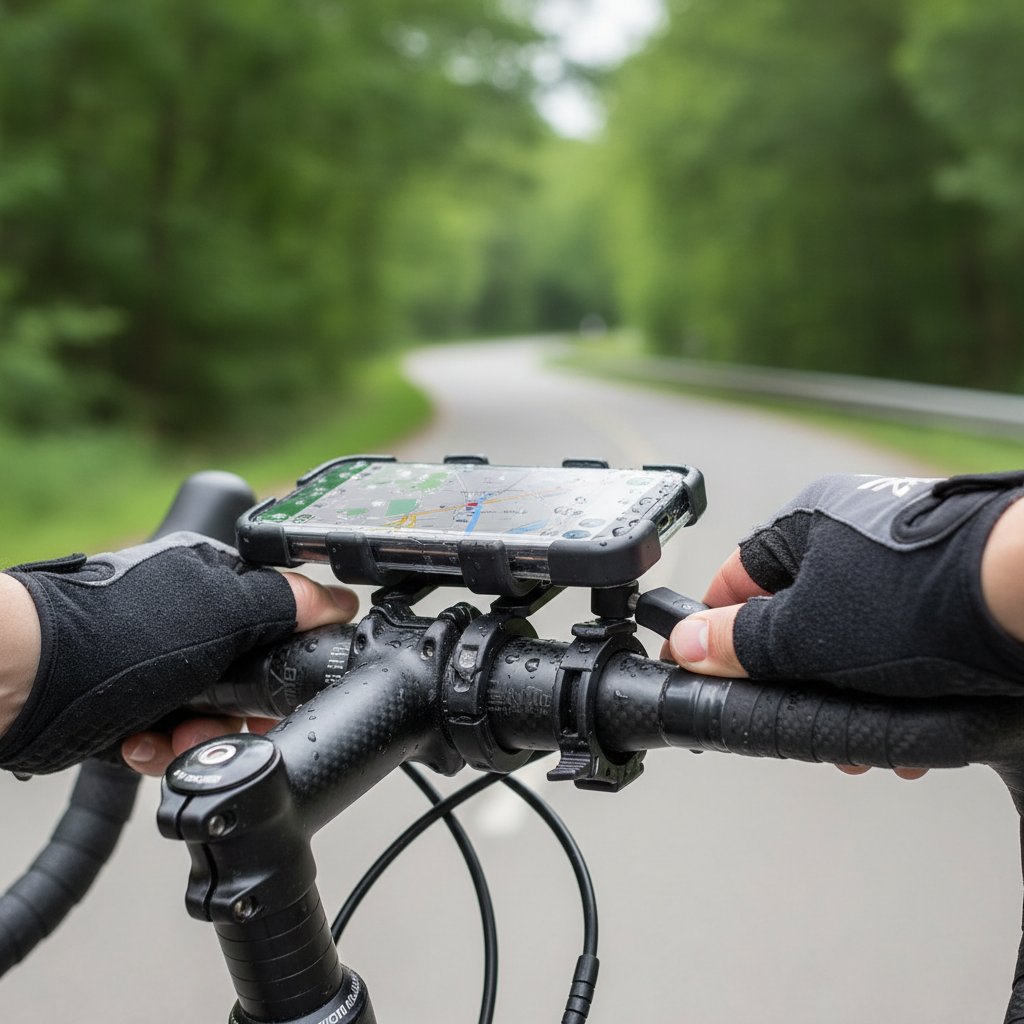
Even the best bike phone mount waterproof won’t feel “best” if it’s installed slightly wrong. These steps are simple, but they prevent most mid-ride surprises.
Mount stability (no slipping, no rotating)
- Clean the bar first: wipe sweat, dust, and any silicone residue so the clamp grips consistently.
- Use the right shim: if your mount includes rubber shims, pick the one that lets the clamp tighten without bottoming out.
- Torque gently, then re-check: snug is good, over-tight can crack plastic or strip threads. If the brand provides a torque spec, follow it.
- Test with a hard shake: grab the phone and simulate potholes. If it rotates, fix it now, not in traffic.
Water handling (rain, spray, puddles)
- For sealed cases: close zippers fully, press along seams, and check the cable pass-through if you use one.
- For open mounts: pair with a water-resistant phone case, and keep a thin rain cover in your bag for heavy showers.
- Reduce fogging: let the phone and case reach outdoor temp before sealing, sudden temperature change often triggers condensation.
Navigation readability
- Angle for glare: a small tilt often beats max brightness.
- Use voice prompts: safer in rain when visibility drops, and it reduces screen-on time.
According to NHTSA, distracted driving and riding increases crash risk, so if you’re interacting with maps, consider pulling over or using audio guidance when possible.
Common mistakes that waste money (and how to avoid them)
Most “this mount is trash” complaints come from predictable mismatches.
- Buying a pouch that fits “most phones”: big phones and thick cases can stress zippers and corners, then water finds a way in.
- Assuming any silicone strap equals security: straps age in sun and can pop on repeated jolts, especially with heavier phones.
- Charging in heavy rain without a plan: a cable often defeats the seal on waterproof pouches, and open ports invite water. If you must charge, do it cautiously and stop if the connection behaves oddly.
- Mounting on the wrong spot: crowded bars push mounts to unstable positions near grips or cables, then the phone twists under load.
- Ignoring vibration: blurry navigation is annoying, but long-term high-frequency vibration can also be hard on mounts and accessories.
When to get more help (or rethink using a phone at all)
If you’re riding fast group rides, technical trails, or you’ve had close calls with distraction, it may be smarter to keep the phone in a pocket and use a dedicated bike computer for navigation. For many riders, that’s the safer setup even if it costs more.
If you’re unsure about water exposure and your phone’s condition, checking the manufacturer guidance or asking a repair professional can save you from gambling with a compromised seal. Water resistance is not always permanent, and wear can change outcomes.
Conclusion: picking the best waterproof bike phone mount for your life
The “best” choice is the one you can live with when it’s cold, wet, and you’re running late. If you commute in steady rain, a sealed waterproof case mount tends to feel simplest, even with some touchscreen compromises. If you care about visibility and quick access, an open locking mount with a solid phone case plus a packable rain cover often feels like the sweet spot.
Action steps: decide sealed vs open, measure your handlebar diameter, then prioritize stability and usability over flashy waterproof claims. Once it arrives, do the shake test and a short wet-conditions trial before trusting it on a longer ride.
FAQ
What is the best bike phone mount waterproof for heavy rain?
In heavy rain, sealed waterproof case mounts usually offer the most consistent protection because they cover the whole phone. Just expect some trade-offs with touch response and potential fogging, especially with big temperature changes.
Are “waterproof” phone pouches still usable with the touchscreen?
Sometimes, yes, but response often drops when the window is wet or wrinkled. If you rely on frequent taps, an open mount with audio prompts or bigger on-screen buttons may feel less frustrating.
Do I need an IP rating to trust a waterproof mount?
An IP rating helps because it’s a standardized test label, but many bike mounts skip publishing it. If there’s no IP rating, treat “waterproof” as marketing and look closely at sealing design, zipper quality, and user instructions.
Will a waterproof mount prevent phone damage if I charge while riding?
Not necessarily. Charging usually means an exposed port or a compromised seal, which can invite water. If you must charge in bad weather, consider a more protected routing approach and stop if the phone warns about moisture.
Is an open mount safe if my phone is water-resistant?
Often it’s fine for light rain, but outcomes vary by phone condition and case quality. If your phone has been dropped or repaired, water resistance might be weaker than you think, so bring a rain cover for storms.
How do I stop a handlebar mount from rotating on bumps?
Make sure the clamp matches your bar diameter, use the included rubber shim, and tighten until the clamp can’t be twisted by hand. If it still rotates, the clamp design may not suit your bar shape, especially on tapered or aero bars.
Can a waterproof phone mount overheat my phone?
Yes, sealed cases can trap heat, particularly in direct sun or during long navigation sessions. If you notice dimming, lag, or temperature warnings, reduce screen brightness, take breaks, or switch to an open mount approach.
If you’re trying to choose between a sealed case and an open mount, it helps to map your rides for a week and note when rain, fast removal, charging, or rough roads show up, that quick reality check often makes the decision obvious without overbuying.