Youth Fitness can support healthy growth, stronger bones, better mood, and confidence, but many families get stuck on one question: what counts as “safe” training for kids and teens?
If you’ve heard that weights “stunt growth,” or you’re unsure how much sport is too much, you’re not alone. The truth usually sits in the middle: most young people benefit from regular movement, but the best plan depends on age, maturity, sport load, and even sleep.
This guide breaks down what matters in real life, how to spot red flags early, and how to build a weekly routine that feels doable for school schedules. I’ll also include a quick table you can copy, plus checklists that help you decide what to change first.
What “healthy growth” really means in youth fitness
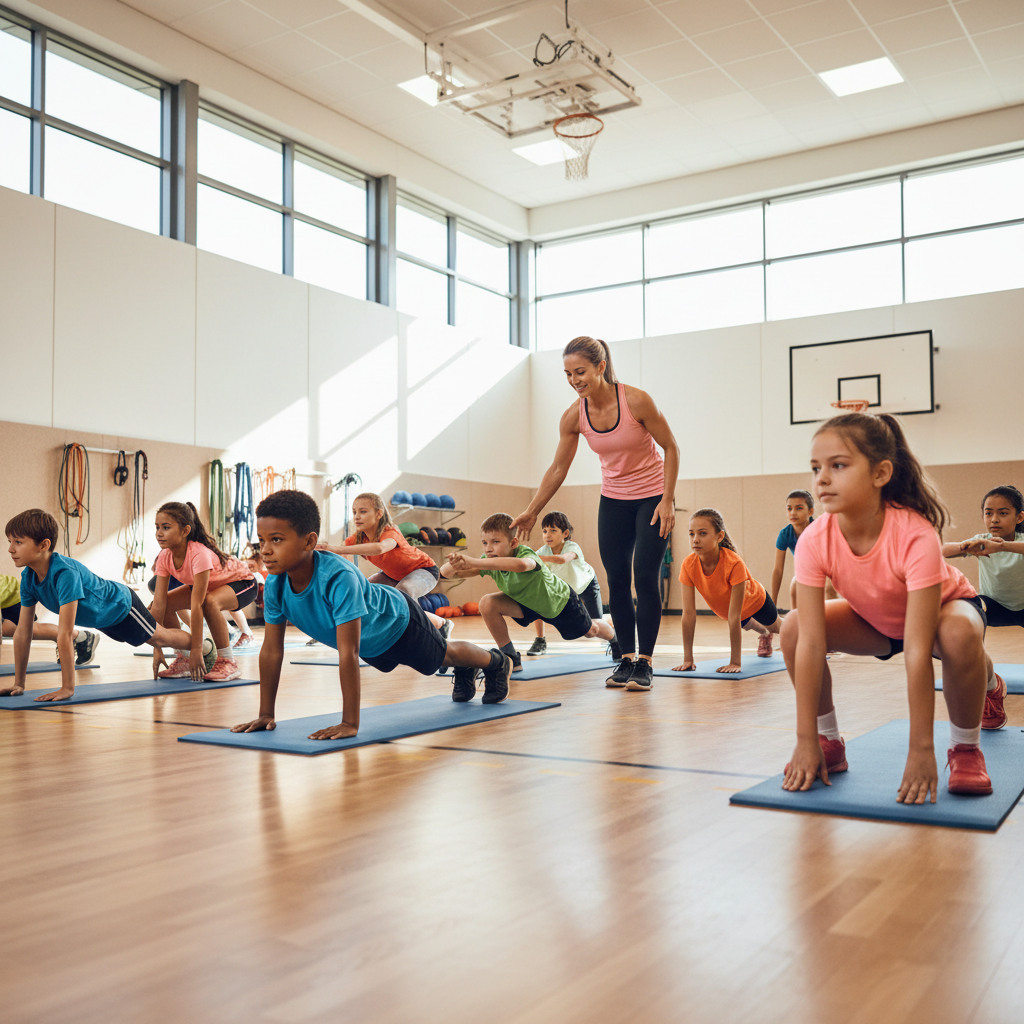
Healthy growth is not just height. For most families, the wins look like steadier energy, fewer aches, better coordination, and a body that can handle school, sports, and normal play without constant fatigue.
In practice, youth fitness tends to support three big buckets:
- Physical development: muscle strength, bone strength, motor skills, and heart-lung fitness.
- Injury resilience: better landing mechanics, stronger hips/core, improved balance.
- Well-being: stress management, self-esteem, sleep quality, and social connection.
According to the Centers for Disease Control and Prevention (CDC), children and adolescents should get regular physical activity, including aerobic movement plus muscle- and bone-strengthening activities across the week. The details vary by age and readiness, but the overall direction stays consistent: move often, build skills, recover well.
Why kids and teens struggle with consistency (and what usually fixes it)
The biggest barrier is rarely motivation. It’s usually friction: practices run late, homework piles up, meals get random, and the “workout plan” turns into a guilt spiral.
Common real-world issues that derail a Youth Fitness routine:
- All-or-nothing expectations: trying to train like a varsity athlete when the schedule can’t support it.
- Only one type of training: nonstop cardio or nonstop sport, with little strength or mobility work.
- Too much intensity, too soon: soreness becomes a reason to quit.
- Under-fueling: skipping breakfast, not enough protein, or not enough overall calories for active growth.
- Sleep debt: late screens plus early school equals low recovery, higher injury risk.
What tends to fix it is surprisingly small: shorter sessions, predictable days, and tracking effort instead of obsessing over numbers.
Quick self-check: what kind of youth fitness plan do you actually need?
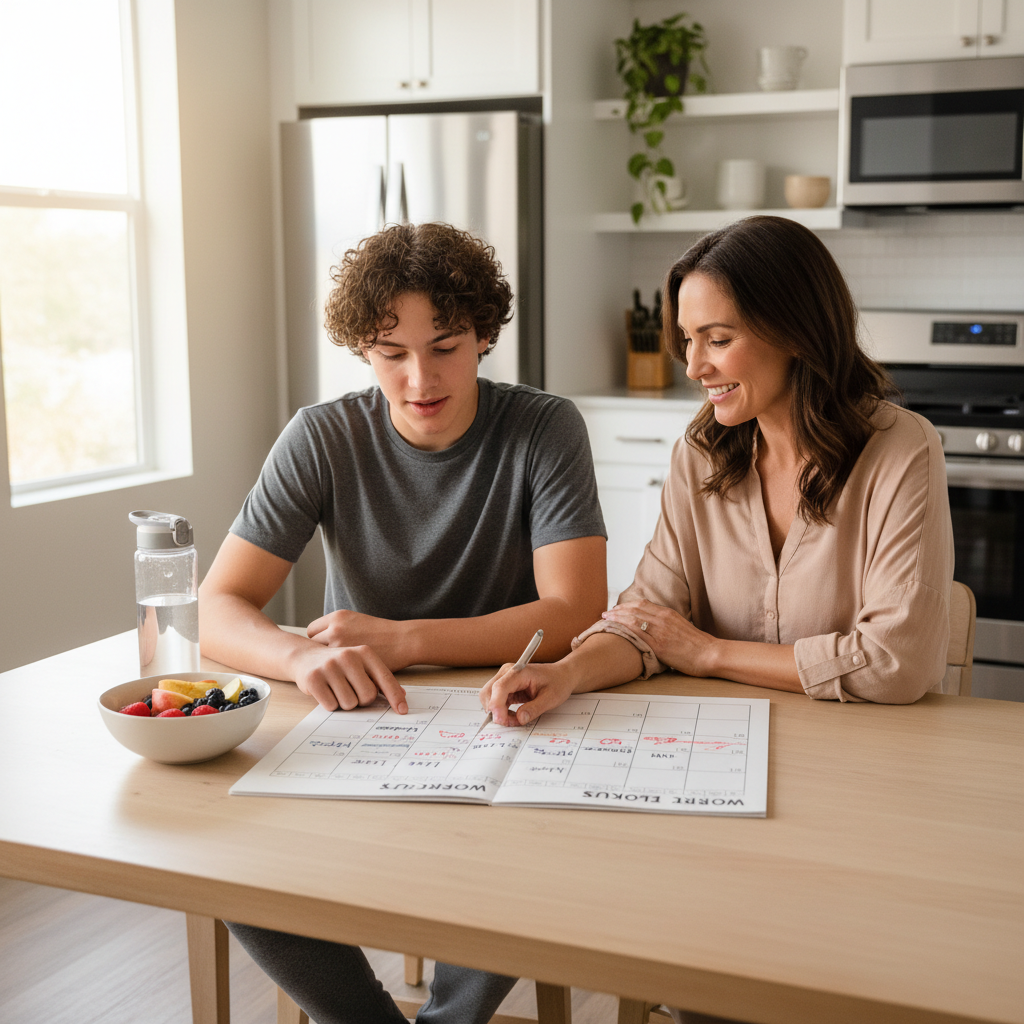
Before adding more training, it helps to classify the situation. Many teens don’t need “more work,” they need better balance.
A fast checklist for parents and teens
- Energy: Most days feel steady, or frequent crashes?
- Pain: Any recurring joint pain (knees, shins, shoulders) that lasts more than a week?
- Sport load: More than 4 organized sessions per week already?
- Strength basics: Can they do a clean bodyweight squat, push-up variation, and a controlled plank?
- Sleep: Waking up rested most school days, or always tired?
- Stress: Training feels fun, or like pressure and constant comparison?
If pain, sleep issues, or high sport load show up, the right move is often to reduce intensity and improve technique before adding new workouts.
Building blocks that make youth fitness safe and effective
A solid Youth Fitness plan usually combines skill work, strength, aerobic fitness, and recovery. The goal is not to max out; it’s to build capacity without burning out.
1) Strength training (yes, it can be appropriate)
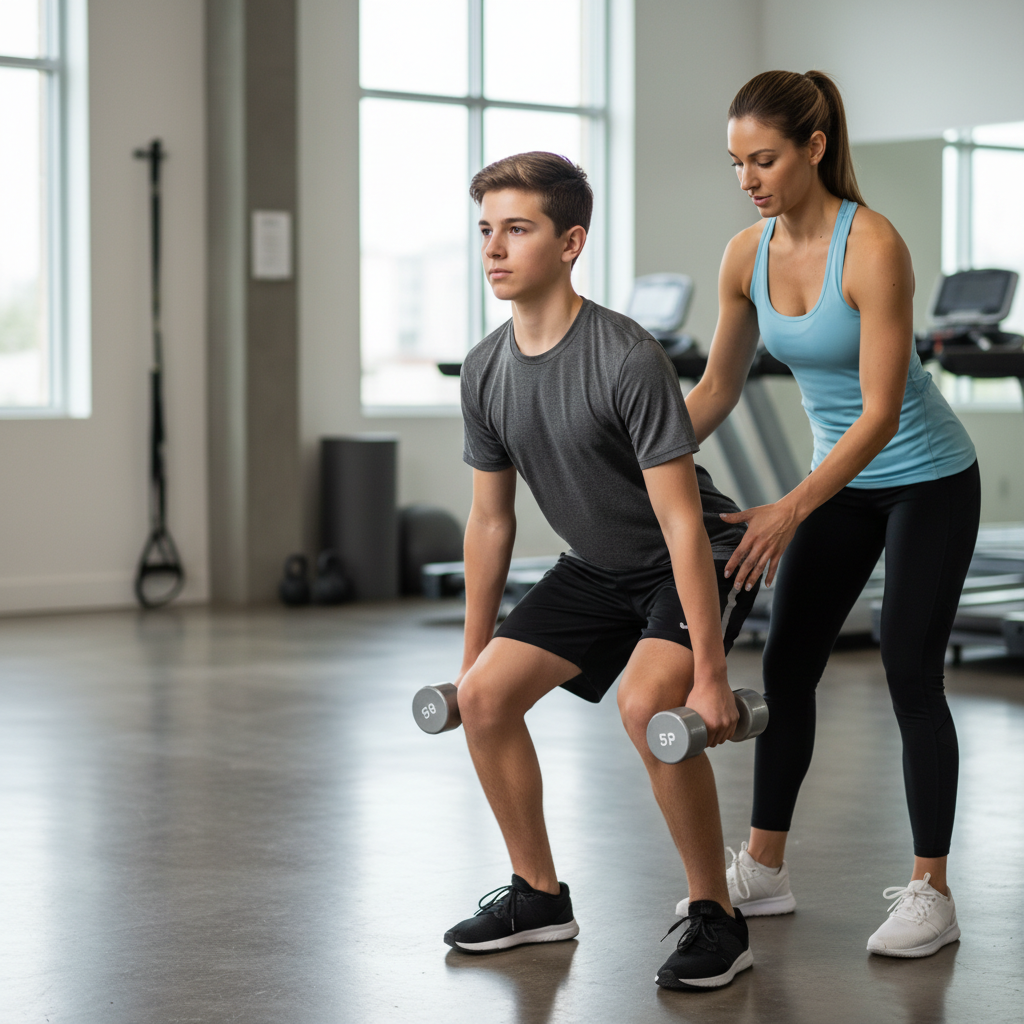
Strength work for youth is typically about movement quality: squatting, hinging, pushing, pulling, carrying. When supervised and progressed gradually, it’s widely used in school athletics and youth programs.
According to the American Academy of Pediatrics (AAP), strength training can be safe for children and adolescents when properly supervised and designed for age and maturity. If you’re unsure, a qualified coach or clinician can help you match exercises to readiness.
- Start with bodyweight and light external resistance.
- Use controlled tempo and full range that stays pain-free.
- Keep “reps in reserve,” stopping before form breaks down.
2) Aerobic work (not just running)
For many kids, the best cardio is the one they’ll do: biking, swimming, basketball at the park, dance, brisk walks with friends. Structured intervals can wait until a base is built.
3) Bone-strengthening movement
Jumping, landing, hopping, and change-of-direction games can build power and coordination, but dosage matters. A small amount of high-quality jumps often beats a lot of sloppy reps.
4) Mobility, warm-ups, and recovery
Mobility is not a 30-minute yoga class for everyone. Often it’s 5–8 minutes that targets ankles, hips, and thoracic spine, paired with a warm-up that rehearses sport patterns.
A simple weekly youth fitness template (with table)
This is a practical starting point for a generally healthy teen, adjusting around sports. If your child has medical conditions, recent injuries, or significant pain, it’s safer to consult a pediatrician or a licensed physical therapist for guidance.
| Day | Main focus | Time | Example session |
|---|---|---|---|
| Mon | Strength (full body) | 30–45 min | Squat pattern, push, pull, carry, core |
| Tue | Aerobic (easy) | 20–40 min | Bike ride, jog/walk intervals, swim |
| Wed | Skill + mobility | 20–30 min | Warm-up, light drills, stretching reset |
| Thu | Strength (full body) | 30–45 min | Hinge, split squat, row, overhead press (light) |
| Fri | Speed / jumps (low volume) | 15–25 min | Short sprints, 10–20 quality jumps, rest between |
| Sat | Play day | Flexible | Pickup game, hike, sport practice, family activity |
| Sun | Recovery | 10–20 min | Easy walk, mobility, early bedtime |
Key point: if they already have 3–5 hard sport practices weekly, strength sessions might drop to 1–2 shorter sessions, and the “speed/jumps” day might disappear entirely during heavy competition periods.
Practical coaching cues and “do this, not that” tips
Good coaching keeps youth training boring in the best way. Clean reps, repeatable effort, and confidence building.
Form and effort guidelines
- Prioritize technique over load: add weight only when reps look the same start to finish.
- Use simple effort ratings: “Could I do 2–3 more reps?” is an easy self-check.
- Keep sessions short: 25–45 minutes often fits better than long workouts.
- Rotate stress: hard day, easier day, then hard again works for many teens.
Fuel and hydration basics (without overcomplicating it)
- Eat a real breakfast when possible, even if it’s simple.
- Include protein across meals, not only at dinner.
- Hydrate earlier in the day, not only at practice.
Nutrition needs vary a lot during growth spurts and heavy sports seasons, so if weight changes fast, fatigue climbs, or appetite disappears, consider a check-in with a pediatrician or a registered dietitian.
Common mistakes in youth fitness (and how to avoid them)
Most mistakes come from copying adult training culture and pasting it onto kids.
- Chasing max lifts too early: testing strength is not the same as building it.
- Ignoring pain signals: “playing through it” can turn a minor issue into a season-long problem.
- Specializing too soon: many athletes benefit from multiple sports or at least varied movement.
- Skipping warm-ups: a short warm-up can improve coordination and reduce sloppy first reps.
- Doing extra conditioning on top of intense practices: a common path to overuse injuries.
According to the National Strength and Conditioning Association (NSCA), youth resistance training programs should emphasize qualified instruction, appropriate progression, and technique. If a plan lacks those pieces, it’s worth reconsidering even if it looks “advanced.”
When to seek professional help
Sometimes the safest step is to stop guessing. Consider professional guidance if any of these show up:
- Recurring pain, limping, or swelling, especially around knees, ankles, shoulders, or lower back
- Frequent headaches, dizziness, fainting, or chest pain during exercise
- Stress fractures or repeated overuse injuries
- Signs of overtraining: sleep disruption, mood changes, performance drop that lasts weeks
- Concerns about eating patterns, rapid weight change, or body image pressure
A pediatrician can help rule out medical issues, and a sports-focused physical therapist or certified strength coach can tailor movement choices. In many cases, one or two sessions of real assessment saves months of trial-and-error.
Conclusion: keep it simple, keep it sustainable
Youth Fitness works best when it feels like a normal part of life, not a second full-time job. Aim for quality movement, a couple of strength sessions, regular aerobic play, and enough recovery to let growth do its thing.
Two easy next steps: pick two consistent training days for strength, then choose one “fun cardio” option your child actually likes. If pain, exhaustion, or food stress sits in the background, pause and get a professional opinion before pushing harder.
FAQ
- Does strength training stunt growth in kids?
In many cases, properly supervised strength training does not stunt growth. Problems usually come from poor technique, unsafe loading, or ignoring pain signals, so supervision and gradual progression matter. - How many days a week should a teen work out?
It depends on sports and recovery. Many teens do well with 3–5 active days weekly, but if practices are intense, adding more sessions can backfire. Look at sleep, soreness, and mood as your guide. - What’s a safe starting point for youth fitness if my child is sedentary?
Start with short walks, light biking, or beginner bodyweight circuits 2–3 times per week. Early wins come from consistency and confidence, not hard workouts. - Should kids do cardio or strength first?
If the goal is general health, either order can work. If your child plays a sport, a short warm-up plus skill work, then strength, often keeps technique sharper than finishing strength after exhausting cardio. - How do I know if my child is overtraining?
Watch for persistent fatigue, irritability, sleep changes, loss of interest, and performance decline that doesn’t rebound with a few easy days. If symptoms linger, it’s reasonable to consult a pediatrician or sports clinician. - What equipment is helpful for a home youth fitness setup?
A yoga mat, a light set of dumbbells or adjustable bands, and a stable step or bench covers a lot. The bigger limiter is usually coaching and progression, not gear. - My teen only wants to lift weights, is that a problem?
Not necessarily, but balance helps. Encourage some aerobic work, mobility, and sport or play so joints and tissues get variety, and so fitness stays functional.
If you’re trying to turn Youth Fitness into a routine that sticks, it can help to start with a simple plan, a short technique check, and realistic weekly targets that fit school and sports, many families find that approach less stressful than chasing “perfect” training.