
Weight loss cardio works best when it feels repeatable, not heroic, because steady weight loss comes from sessions you can keep doing week after week. If you keep bouncing between “all-out” workouts and long breaks, your results often look the same: a quick drop, a stall, then frustration.
This guide focuses on cardio that supports consistent progress without burning you out. We’ll sort out which types of cardio help most people stay in a calorie deficit, how hard you actually need to go, and what a realistic week can look like if you have 3–6 days to train.
One quick note: weight change depends on more than workouts, including sleep, stress, medications, and nutrition. Cardio can be a strong lever, but if you have a medical condition or you’re returning after a long break, it’s smart to check with a qualified professional.

What “steady weight loss” cardio really means
Most people lose weight steadily when they can create a modest calorie deficit, recover well, and keep weekly activity consistent. Cardio supports this by increasing energy expenditure, improving conditioning, and often making daily movement feel easier.
According to CDC, adults generally benefit from regular aerobic activity for health, and those same habits often pair well with gradual weight management. The practical takeaway: consistency beats perfection, and the “best” workout is the one you can repeat with minimal drama.
- Steady usually means trends over 4–8 weeks, not day-to-day scale changes.
- Repeatable means you can do it again tomorrow without feeling wrecked.
- Progressive means volume or intensity slowly increases as fitness improves.
Why weight loss cardio sometimes stops working (and how to spot it)
If you feel like cardio “used to work” and now it doesn’t, you’re not imagining it. A few common patterns show up in real life.
1) You’re compensating without noticing
Hard sessions can increase hunger, lower non-exercise movement (NEAT), or nudge you toward larger portions. None of this is “lack of willpower,” it’s a predictable response for many bodies.
2) Your intensity is mismatched
Going too hard too often raises fatigue and makes you skip sessions. Going too easy with no progression can underdeliver. Most sustainable plans include both: easier work plus a small dose of harder efforts.
3) Your weekly volume is inconsistent
One huge workout on Saturday rarely beats four moderate sessions across the week. For weight loss cardio, the weekly total matters more than a single “killer” day.
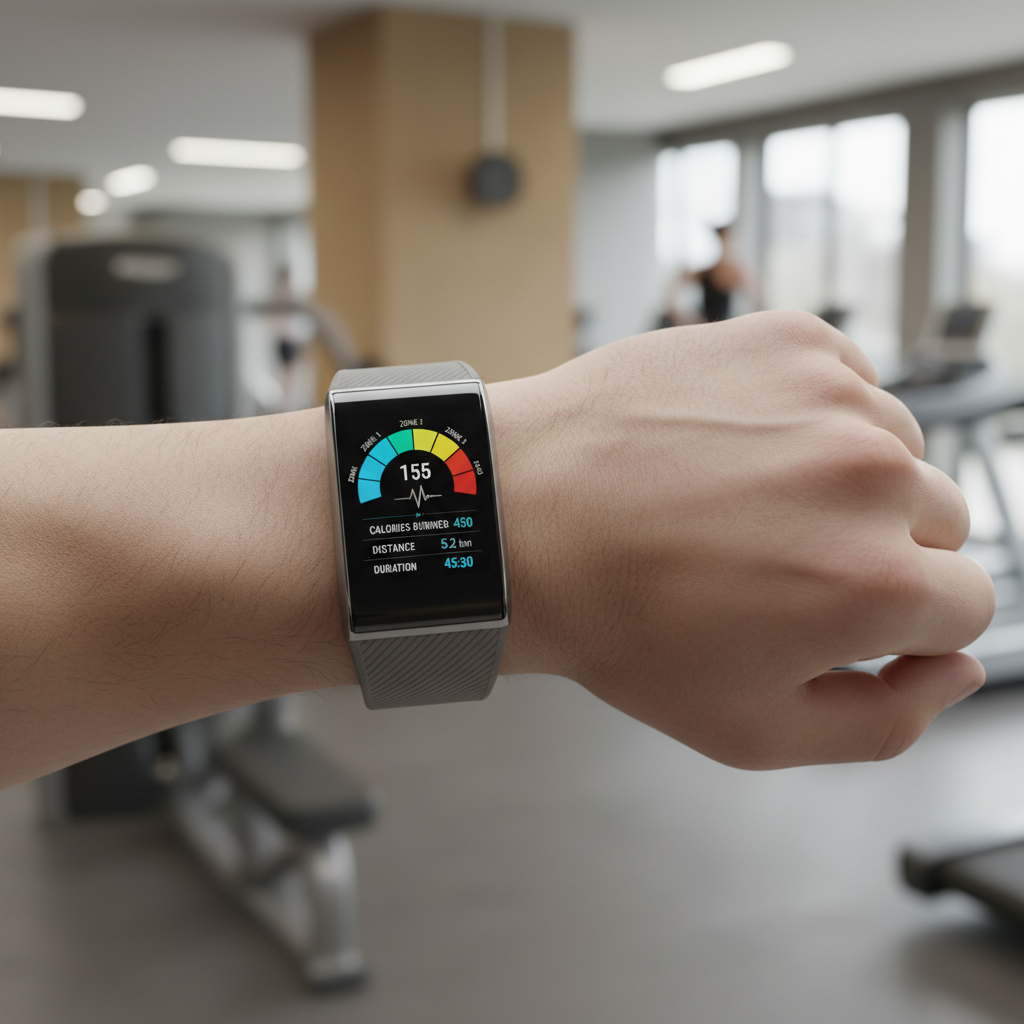
Self-check: which cardio approach fits you right now?
Pick the option that sounds most like your current situation. This helps you choose a plan you’ll actually follow.
- You’re busy and inconsistent: you need short sessions with low setup time.
- You get sore or achy easily: you need low-impact cardio and slower progression.
- You get bored fast: you need variety (intervals, classes, outdoor routes).
- You’re fit but plateaued: you likely need better structure (zones, weekly targets).
- You’re stressed and tired: you need more easy aerobic work, fewer “redline” days.
Key point: the right “weight loss cardio” plan is the one that matches your recovery capacity. If you’re dragging all day after workouts, the plan is too spicy.
The cardio exercises that tend to support steady weight loss
Here are options that many people can repeat consistently. The best choice depends on joints, preferences, and access.
Walking (especially brisk or incline)
Walking is underrated because it feels “too easy,” but it’s often the most sustainable lever for daily calorie burn. Incline treadmill walking can raise intensity without adding impact.
Cycling (indoor or outdoor)
Great for building volume with less joint stress. If you tend to go too hard, cycling also makes it easier to stay truly easy by keeping a steady cadence.
Elliptical or stair stepper
Elliptical works well for low-impact steady-state. Stair work can be effective but ramps fatigue fast, so many people do better with shorter blocks.
Rowing
Rowing blends cardio with full-body muscular effort. Technique matters, so keep intensity modest at first to avoid lower-back irritation.
Jogging/running (if your body tolerates it)
Running can be time-efficient, but it’s not mandatory for fat loss. If you’re injury-prone, swap in low-impact options and keep your weekly routine intact.
How hard should you go? A simple intensity guide
Most steady progress comes from a base of easier cardio plus 1–2 harder sessions per week. This reduces burnout while still nudging fitness forward.
- Easy (Zone 2-ish): you can speak in full sentences, breathing is elevated but controlled.
- Moderate (Tempo-ish): you can speak in short phrases, effort feels “comfortably hard.”
- Hard (Intervals): talking is difficult, you need recovery periods.
According to American Heart Association, monitoring intensity using talk test or heart rate can help you exercise safely and effectively. If you’re on medications that affect heart rate, the talk test often works better than strict numbers, and asking a clinician can be wise.
A practical weekly plan (3, 4, 5, or 6 days)
Use this table as a starting point. Keep it boring for two weeks, then adjust one variable at a time: duration, incline/resistance, or a single extra interval.
| Weekly Schedule | What to Do | Why It Works for Steady Loss |
|---|---|---|
| 3 days | 2 easy sessions (30–45 min) + 1 interval day (15–25 min) | Simple, recoverable, still includes progression |
| 4 days | 2 easy (35–50 min) + 1 tempo (20–30 min) + 1 interval (15–25 min) | Balanced mix without piling on fatigue |
| 5 days | 3 easy (35–60 min) + 1 tempo + 1 interval | More weekly volume, easier days protect consistency |
| 6 days | 4 easy + 1 tempo + 1 interval (keep one easy day very light) | High frequency, but intensity stays controlled |
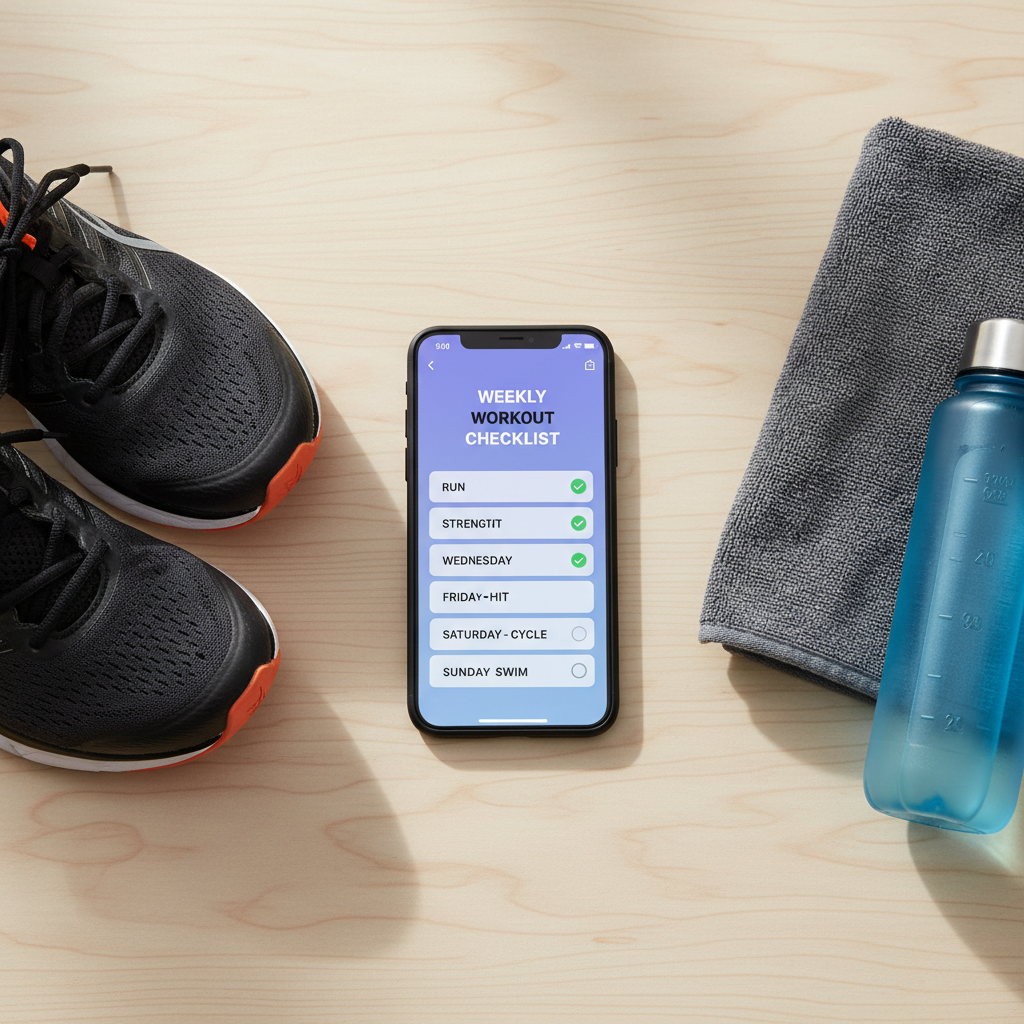
Step-by-step: how to make weight loss cardio actually work
This is the part most people skip because it feels “too basic,” but it’s where results usually come from.
Step 1: set a weekly minimum you can hit on your worst week
Pick a baseline, like 90 minutes total per week. Hit that for two weeks before adding more. Consistency gives you better data than motivation spikes.
Step 2: add volume before you add suffering
If weight loss cardio feels brutal, you’ll quit. Add 5–10 minutes to one easy session each week, or add a fourth day, before turning everything into intervals.
Step 3: use one “signal” workout to track progress
Example: 30 minutes incline walking at the same speed and incline each week. If heart rate drifts lower or it feels easier, fitness improves even if the scale plays games.
Step 4: pair cardio with basic nutrition guardrails
According to NIH, weight management generally comes down to long-term energy balance, even though individual responses vary. You don’t need extreme dieting, but most people need some structure.
- Keep protein consistent (ask a dietitian if you want a personalized target).
- Plan “default meals” for weekdays to reduce decision fatigue.
- Watch liquid calories and snack grazing, they’re common stealth drivers.
Common mistakes that slow progress (even with “good” workouts)
- Doing HIIT every day: for many people, that turns into soreness, poor sleep, and missed sessions.
- Ignoring strength training entirely: you may still lose weight, but muscle retention often improves how you look and feel; consider 2 days/week if possible.
- Only trusting the scale: waist measurement, fit of clothes, and average weekly weight can be more useful.
- Big weekend swings: five “perfect” days and two high-calorie days can cancel out your deficit without looking dramatic.
- Too much too soon: spikes in volume raise injury risk, especially with running.
When to get professional help (and what to ask for)
If you’ve been consistent with workouts and food for 6–8 weeks and nothing changes, it may be time to get a second set of eyes. Many plateaus have boring explanations, but sometimes there’s more going on.
- If you have chest pain, dizziness, fainting, or unusual shortness of breath during exercise, stop and seek medical evaluation.
- If joint pain builds week to week, a physical therapist can help you choose lower-impact options and adjust technique.
- If your relationship with food feels increasingly anxious or rigid, a registered dietitian or mental health professional may help you stay healthy while pursuing fat loss.
Conclusion: the simplest path to steady results
Weight loss cardio works best when you treat it like a repeatable weekly practice: enough easy volume to stay consistent, a small dose of harder work to keep adapting, and just enough structure to notice what’s changing.
Two actions that usually pay off fast: choose a weekly minimum you can hit even when life gets messy, and keep one consistent “benchmark” session so you can see progress beyond the scale.
Key takeaways
- Consistency beats intensity for most people aiming for steady weight loss.
- Build an easy aerobic base, then add 1–2 harder sessions weekly.
- Pick low-impact options if recovery or joints limit you.
- Track trends over weeks, not single weigh-ins.
FAQ
How many days a week should I do weight loss cardio?
Many people do well with 3–5 days weekly, but the best number is what you can repeat. If you keep quitting at day five, a strong three-day plan beats an inconsistent five-day plan.
Is walking enough for fat loss, or do I need to run?
Walking can be enough, especially if you do it consistently and gradually increase time or incline. Running is optional, and for some bodies it’s a faster path to aches than results.
Should I do cardio fasted in the morning?
Some people like it because it’s convenient, but it’s not required. If fasted sessions make you sluggish or lead to overeating later, a small snack beforehand may work better.
What’s better for weight loss: HIIT or steady-state?
Both can help, but steady-state is often easier to recover from and repeat. A mix tends to be practical: mostly easy work, with a little HIIT if you tolerate it well.
How long should a cardio workout be for steady results?
Commonly 20–60 minutes depending on intensity and your schedule. If you’re starting out, 20–30 minutes done consistently is a strong baseline.
Why am I doing more cardio but my weight is stuck?
Often it’s water retention, increased appetite, or lower daily movement outside workouts. Give it a few weeks, track weekly averages, and consider tightening simple nutrition habits rather than adding more punishment.
Can I do weight loss cardio every day?
Possibly, if most of it is truly easy and low-impact. If sleep worsens, soreness builds, or motivation drops, you likely need a rest day or to reduce intensity.
What’s the safest cardio option if I’m overweight or have joint pain?
Many people tolerate cycling, elliptical, or water-based exercise well, but it depends on your situation. If pain is persistent or sharp, a clinician or physical therapist can help you choose the safest progression.
If you’re trying to make weight loss cardio simpler, a good next step is picking one primary modality you don’t dread, then building a weekly routine around it before chasing fancy workouts, it’s usually the boring consistency that finally feels like progress.