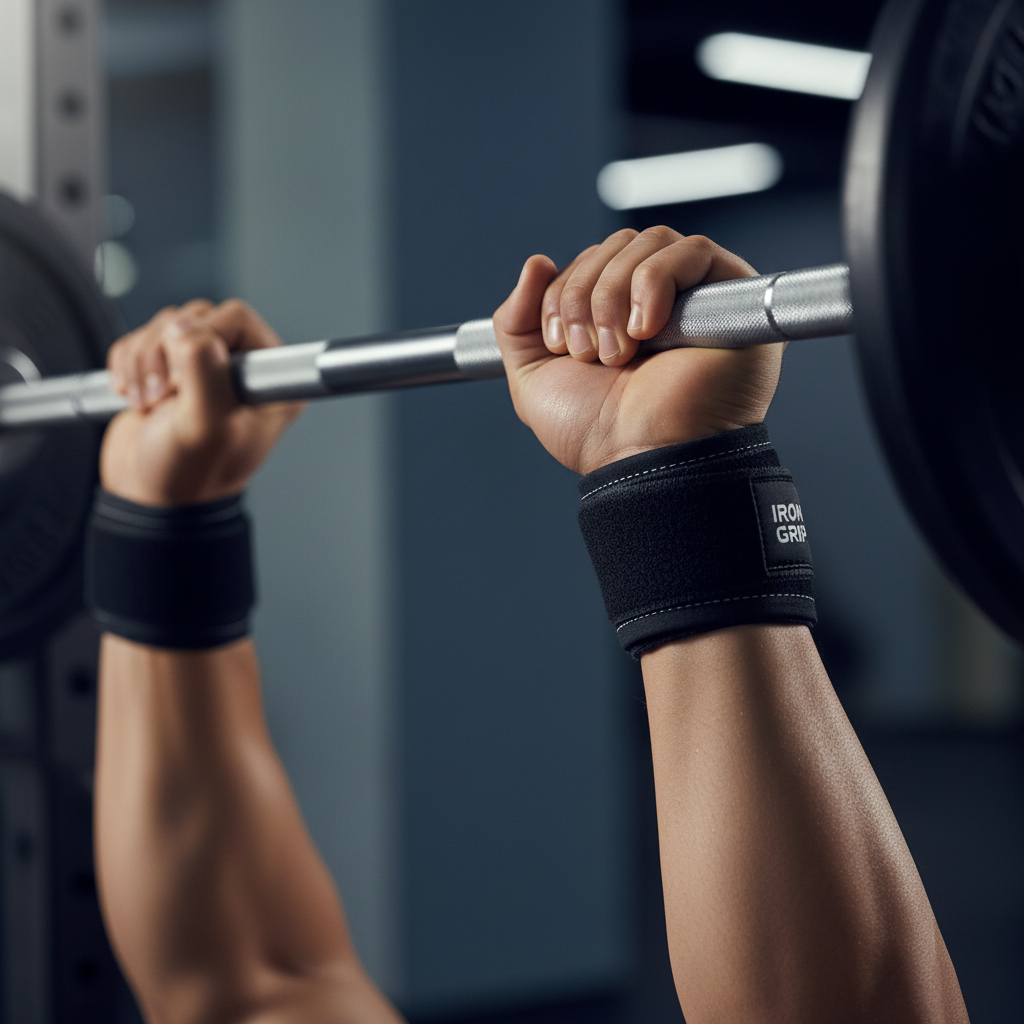
Wrist Support matters most when your grip feels strong but your wrist feels “wobbly” under load, like during bench press, front rack positions, or high-rep push work. The right support can make training feel more stable, but it can also hide technique issues if you lean on it too early.
If you lift regularly, this question usually shows up in two moments, when you increase weight fast, or when volume creeps up and your wrists start talking back. That’s why picking a wrap or brace is not just a comfort decision, it’s a training decision.
Also, “wrist support” gets used as an umbrella term. Some people mean stiff braces for daily pain, others mean elastic wraps for heavy sets. In this guide, you’ll get a clean way to decide what you need, how to wear it, and when to skip it and fix the root cause.
Why wrists get cranky in the gym (real-world causes)
Most wrist discomfort in training comes from a mismatch between load, position, and tissue tolerance, in plain English, your wrist ends up bent under force, and it repeats more than it can handle right now.
- Over-extended wrist in presses: Bench, overhead press, push-ups, dips, even dumbbell work can push the wrist back if the bar sits too high in the hand.
- Front rack strain: Front squats and cleans demand wrist extension plus tight shoulders and lats. Limited mobility often dumps the stress into the wrist.
- Grip fatigue and compensation: As grip tires, the wrist can start collapsing into awkward angles, especially on high-rep barbell curls, kettlebell swings, or farmer carries.
- Sudden jumps in volume: Lots of push work in the same week, new CrossFit-style workouts, or extra accessory sets can irritate tendons.
- Previous injury history: Old sprains and fractures can reduce tolerance, even if you feel “fine” most days.
According to the American Academy of Orthopaedic Surgeons (AAOS), wrist pain can come from many sources and should be evaluated if it persists or follows an injury, especially when swelling, numbness, or weakness shows up.
Wraps vs braces vs straps: what “Wrist Support” really means
Not all support tools solve the same problem. This is where many lifters waste money, or worse, train through something they should address.
| Tool | What it does | Best for | Not ideal for |
|---|---|---|---|
| Wrist wraps | Limits wrist extension, adds stiffness under load | Bench, overhead press, front squats, heavy dumbbell presses | Daily pain, numbness, suspected injury |
| Wrist brace | Immobilizes more, often with a splint | Irritated wrist in daily life, recovery phases (with clinician guidance) | Heavy lifting where you need natural movement and grip freedom |
| Lifting straps | Reduces grip demand by hooking to the bar | Deadlifts, rows, shrugs when grip limits sets | Wrist instability in pressing, wrist extension pain |
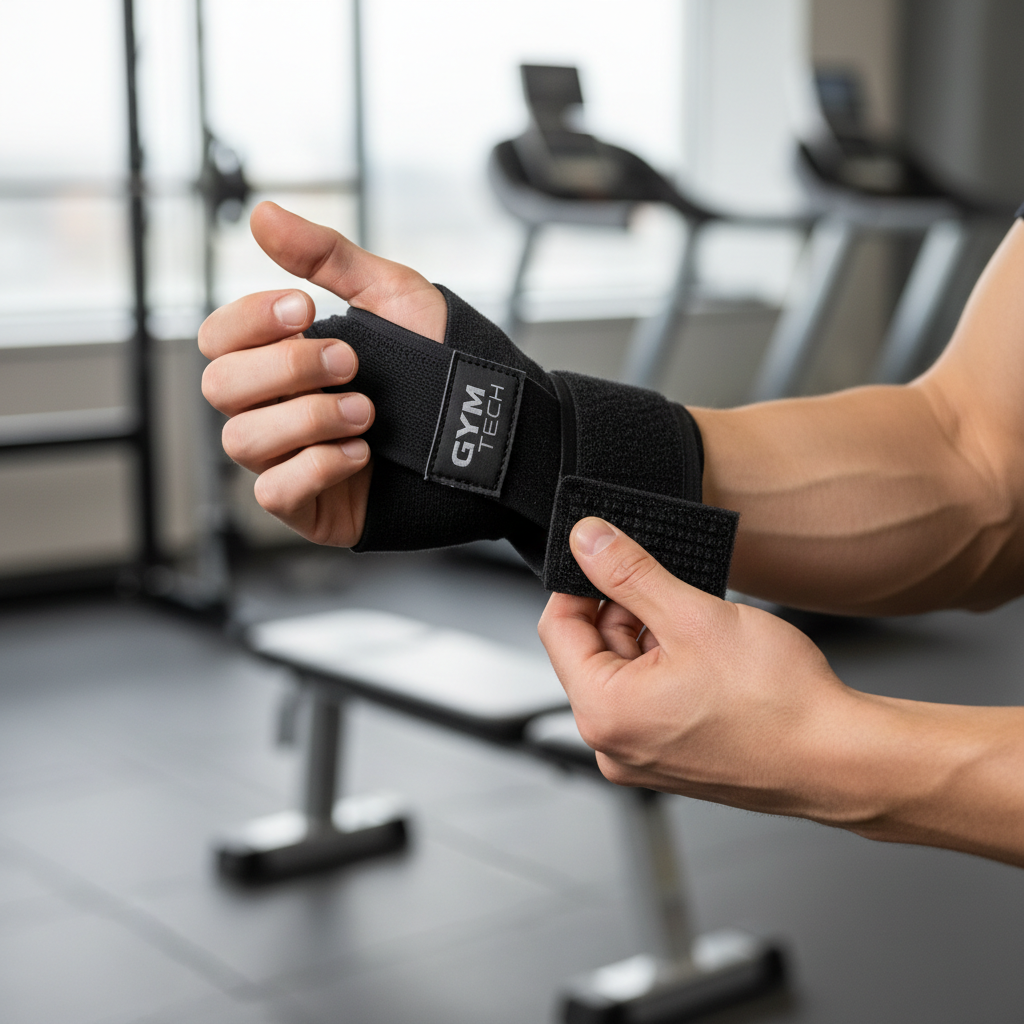
| Thumb loop “support gloves” | Light compression, minimal stabilization | Light training, general comfort | Heavy pressing where structure is needed |
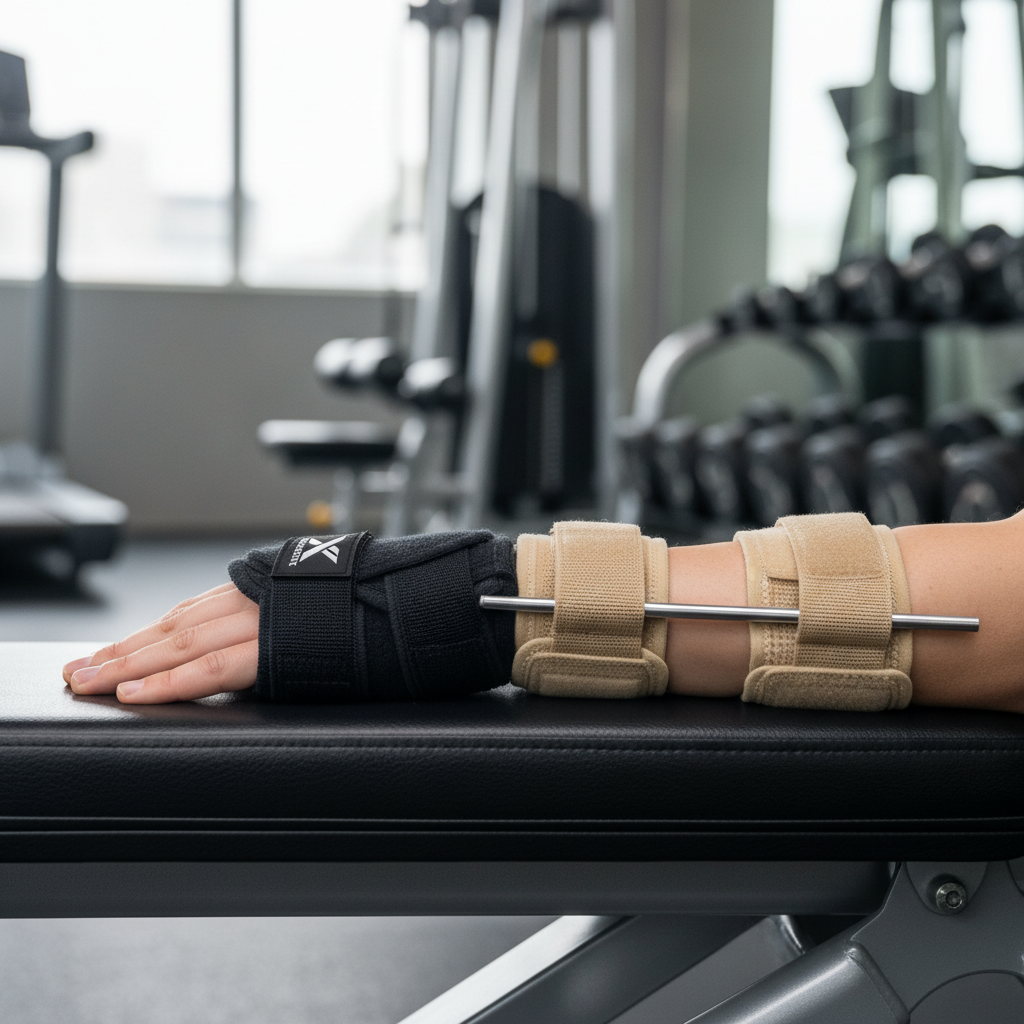
Key takeaway: If your issue is “my wrist bends back under heavy weight,” wraps tend to fit. If your issue is “my wrist hurts in normal life,” a brace might be part of the answer, but it’s worth getting medical guidance.
Quick self-check: do you actually need support, or a form fix?
Before buying gear, run this quick check during warm-ups. You’re looking for patterns, not a diagnosis.
Signs support may help right away
- Wrist discomfort shows up mostly on heavy sets and calms down after training.
- You can keep a neutral wrist in light weights, but it collapses as load rises.
- Pain feels “pressure-y” at the front of the wrist during bench or overhead work.
Signs you should pause and assess more carefully
- Numbness or tingling in fingers, or symptoms waking you at night.
- Visible swelling, bruising, or a clear “pop” moment.
- Pain that increases week over week even as you lower load.
- Grip weakness that feels new, not just fatigue.
According to the National Institutes of Health (NIH), nerve-related symptoms like numbness and tingling can indicate conditions that warrant proper evaluation rather than self-management.
How to choose wrist wraps (length, stiffness, closure)
Choosing wrist wraps is mostly about matching stiffness to your lifts and your tolerance. More stiff is not automatically better, it’s just more limiting.
- Length: Shorter wraps feel less bulky and suit general training; longer wraps add more overlap and stiffness for heavy pressing.
- Elasticity: A more elastic wrap feels comfortable and forgiving, a stiffer wrap gives a stronger “cast-like” feel.
- Closure and thumb loop: A secure Velcro closure matters, the thumb loop helps position the wrap but should not cut circulation.
- Width: Wider wraps spread pressure, narrower ones feel more precise but can dig in.
If you compete in powerlifting, check your federation rules since wrap specs can be restricted. For general gym use, comfort and consistent fit beat “max stiffness” most days.
How to wear Wrist Support correctly (without cutting off your hand)
Wrist Support works when it supports the joint, not when it squeezes your forearm and makes your fingers tingle. A good setup usually feels snug, stable, and still warm in the hand.
Simple wrap setup for pressing
- Start with the wrap centered over the wrist joint, not halfway up the forearm.
- Angle slightly toward the hand to limit extension, but avoid wrapping across the palm.
- Tighten to a “7 out of 10” for working sets, you should still open and close your hand normally.
- Loosen between sets if you feel throbbing or finger tingling.
A small trick that helps: set your wrist position first, then wrap to lock that position in. If you wrap first and then grab the bar, you often end up fighting the wrap.
Practical fixes by exercise: where most people go wrong
If you only add wraps but keep the same wrist-bending mechanics, discomfort often returns. These cues usually make wraps feel like a boost instead of a crutch.
Bench press
- Stack wrist over elbow: At the bottom, your wrist and elbow should line up closely when viewed from the side.
- Bar position: Let the bar sit lower in the palm, closer to the base of the thumb, not up near the fingers.
- Grip: Squeeze the bar hard, but avoid letting the wrist drift back as you unrack.
Overhead press
- Keep knuckles closer to the ceiling, not angled back toward your face.
- If wrist extension is unavoidable, reduce load and build back with strict reps.
Front squat / clean front rack
- Try a relaxed fingertip grip, elbows high, let shoulders carry the bar more than the hands.
- Mobility work for lats and triceps often reduces wrist strain more than tighter wraps.
Push-ups
- Use dumbbells or push-up handles to keep wrists more neutral if extension hurts.
- Shift weight slightly back if you dump too much load onto the heel of the hand.
Building stronger wrists so you rely less on gear
Support tools help, but long-term comfort usually comes from stronger forearms, better tolerance in extension, and smarter loading. Keep it boring and consistent.
- Wrist extensor work: Light dumbbell wrist extensions, slow reps, higher reps.
- Farmer carries: Great for general strength, keep wrists neutral and start lighter than your ego wants.
- Tempo pressing: Slower eccentrics on push-ups or dumbbell press can rebuild control.
- Load management: If you add bench sets, reduce other wrist-heavy work the same week.
If pain flares, a short deload often beats “pushing through.” You can still train, just adjust the wrist-demanding movements.
Common mistakes and safety notes
- Wrapping too tight: Tingling fingers, cold hands, or discoloration means you should loosen immediately.
- Using wraps for every set: Many lifters do better warming up without wraps, then using them only for heavier working sets.
- Ignoring bar path: If the bar drifts and forces the wrist to compensate, no wrap fixes that.
- Masking an injury: If pain shows up in daily tasks, not just training, consider a clinical assessment.
According to the Centers for Disease Control and Prevention (CDC), safe strength training includes proper technique and gradual progression, which also helps reduce overuse issues.
When to get professional help
Wrist discomfort from training is common, but certain patterns deserve a closer look. Consider seeing a physical therapist, sports medicine clinician, or other qualified professional if you notice persistent swelling, loss of range of motion, clicking with pain, or nerve symptoms like numbness.
If you have a known condition, prior surgery, or you’re unsure whether a brace is appropriate, it’s usually safer to ask before you modify training around it.
Conclusion: a smart way to use Wrist Support in the gym
Wrist Support can be a useful training tool when it matches the job, wraps for heavy pressing stability, braces for situations where movement needs limiting, and straps when grip is the bottleneck. The real win is combining support with technique fixes and gradual loading so your wrists feel good even when you forget your gear.
If you want a simple next step, film one heavy pressing set from the side to check wrist stacking, then trial wraps on your top sets only for two weeks and see whether your symptoms trend down.
FAQ
- Are wrist wraps good for beginners?
They can be, but many beginners benefit more from learning to stack wrist over elbow and control the bar path. Wraps make the most sense when load gets heavy enough that your wrist position breaks down. - Should I wear wrist wraps for push-ups?
If wrist extension bothers you, wraps might help a little, but handles or dumbbells often solve the angle problem better. If you still use wraps, keep them snug, not tourniquet tight. - Do wrist wraps weaken your wrists?
They don’t automatically “weaken” anything, but relying on them for every rep can reduce the amount of control work your wrists do. A common compromise is no wraps for warm-ups, wraps for heavy work sets. - What’s better for bench press, wraps or a brace?
For bench, wraps usually fit the goal since you want stability without immobilizing the hand. Braces are more for pain management or protection, and may feel awkward under a bar. - How tight should Wrist Support feel?
Support should feel secure and stable, while fingers stay warm and responsive. If you feel tingling, throbbing, or your grip gets weaker, loosen it. - Can I use straps and wrist wraps together?
You can, but it depends on the lift. For heavy rows or pulls, straps handle grip and wraps add wrist stiffness if you need it, just make sure the combination doesn’t force your wrist into a bad angle. - When should I stop lifting and get my wrist checked?
If you have swelling, bruising, a sudden injury moment, worsening pain across weeks, or numbness and tingling, it’s smart to get evaluated rather than guessing.
If you’re trying to pick wrist wraps for your main lifts and want a more “no guesswork” setup, it can help to match wrap stiffness and length to your training style, then test fit during warm-ups so you’re not troubleshooting mid-session.