Best bike tool kit for beginners usually means one thing: a small set of tools that actually fits your bike, covers real roadside problems, and won’t frustrate you the first time you use it.
If you’re new to bike maintenance, it’s easy to overbuy a big “mechanic set” and still miss the one tool you need, or underbuy a tiny kit that can’t even fix a flat. The good news is most beginners only face a handful of common issues, and you can build a smart kit around those.
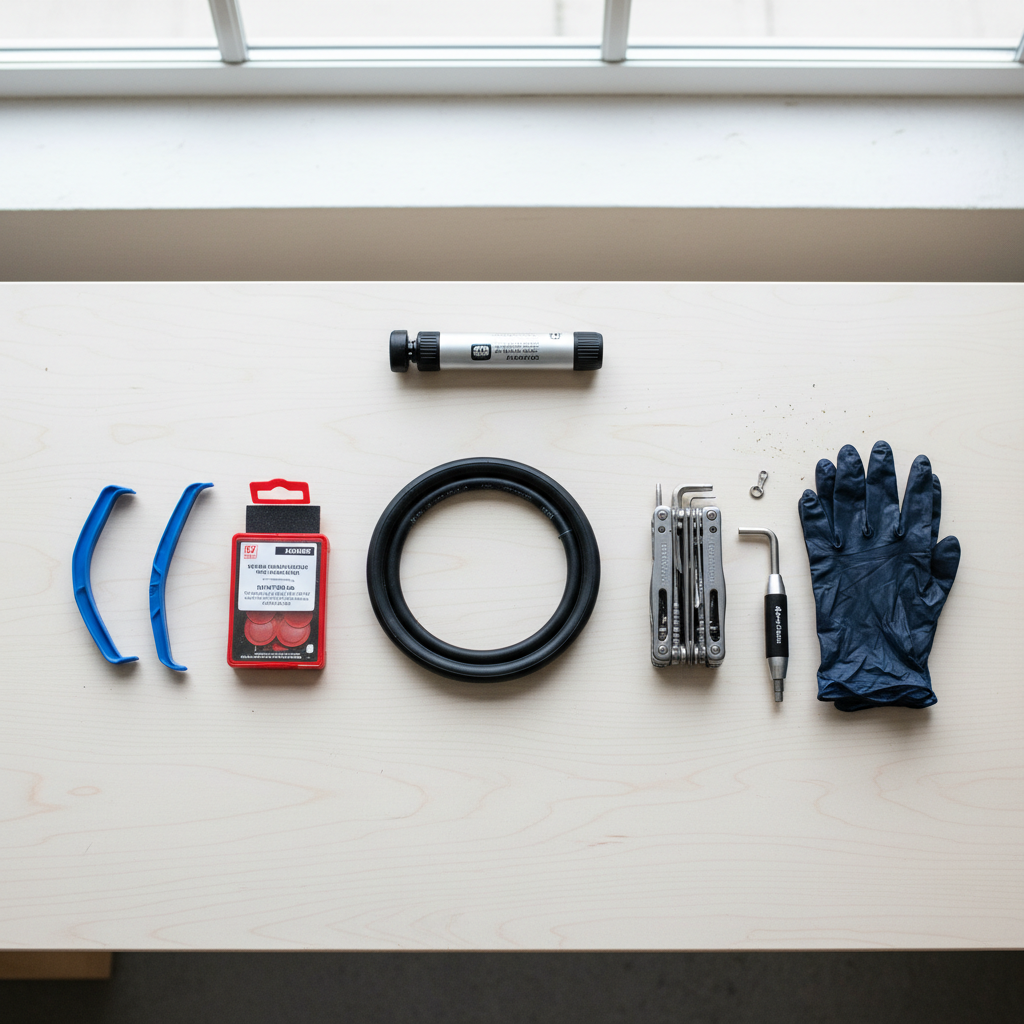
This guide helps you choose a kit that matches your bike type and your comfort level, then shows how to use it in the simplest order. I’ll also point out the tools that sound useful but often sit untouched.
What beginners actually need a bike tool kit to do
Most riders don’t need a workshop on day one. A beginner-friendly kit should cover “ride-stoppers” and “annoying-but-fixable” problems, with tools that don’t require advanced technique.
- Fix flats: remove wheel (sometimes), remove tire, replace tube, inflate.
- Tighten loose parts: saddle, stem/handlebar, bottle cage, rack, fenders.
- Handle chain issues: quick link fix, basic chain tool use for emergencies.
- Make safe adjustments: small tweaks that keep you rolling until a shop visit.
According to Park Tool..., basic maintenance starts with the right fit of tool-to-fastener, since rounding a bolt head is how small jobs turn into expensive jobs. Translation: correct sizes matter more than a huge tool count.
Core tools to look for (and why they matter)
When people search best bike tool kit for beginners, they’re usually deciding between a multi-tool set, a home kit, or a hybrid. Here’s what earns a spot because it solves common problems without drama.
Must-haves for most bikes
- Quality hex keys (Allen): especially 4/5/6 mm. Many bikes live on these.
- Tire levers: 2–3 sturdy levers, not the flimsy ones that snap.
- Mini pump or CO2 inflator: pump is slower but forgiving; CO2 is fast but single-use.
- Spare tube + patch kit: tube gets you moving, patches save the day later.
- Chain quick link that matches your chain speed (9/10/11/12).
- Multi-tool with a chain breaker (if you ride farther from home).
Strong “nice-to-have” upgrades
- Torque wrench (small-range): especially for carbon parts or pricey components.
- Valve core tool: handy for slow leaks and sealant service.
- Small flashlight: fixing a flat at dusk is a different experience.
- Nitrile gloves + a rag: keeps hands clean enough to grab your phone after.
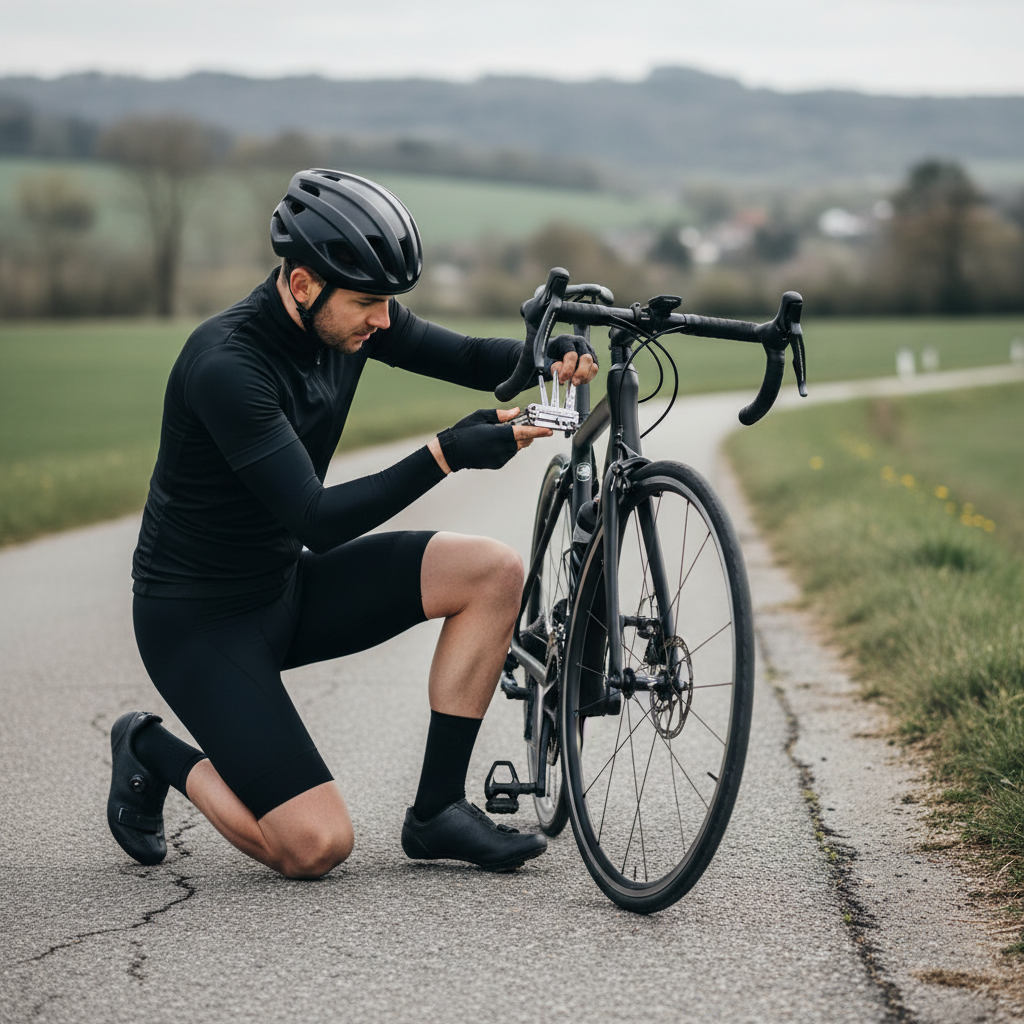
One practical rule: if a tool requires perfect technique to avoid damage, it’s often better as a “home tool” first, not a panic-on-the-road tool.
Quick-fit checklist: match the kit to your bike (and your rides)
The “best” kit changes with tire type, brakes, and how far you ride. Use this to avoid buying the wrong setup.
- You ride a road bike: prioritize tire levers that won’t pinch tubes, a reliable mini pump, and a compact multi-tool.
- You ride a mountain bike: add a plug kit if you run tubeless, and consider a beefier pump for higher air volume.
- You ride a hybrid/commuter: include a small adjustable wrench only if you have accessories that need it, plus spare tube and lights.
- You have hydraulic disc brakes: avoid spreading pads accidentally; carry a pad spacer if you often remove wheels.
- You have thru-axles: check if your axle needs a 6 mm hex or has a lever.
- You ride tubeless: your “flat fix” becomes plugs + inflation, with sealant as prevention.
If you’re unsure about compatibility, check your bike’s manual or the brand’s spec page for common bolt sizes and axle type. Many beginners skip this and end up with tools that “almost fit,” which is where headaches start.
Comparison table: common beginner kit types (what to buy first)
This is the decision most beginners are really making: portable, at-home, or both. Here’s a quick way to pick without overthinking.
| Kit type | Best for | Pros | Cons | What to look for |
|---|---|---|---|---|
| Portable multi-tool + flat kit | Riding, commuting, group rides | Small, covers most ride-stoppers | Not ideal for deep repairs | 4/5/6 mm hex, T25, chain breaker, tire levers |
| Home starter toolkit | Basic maintenance at home | More comfortable, easier on bolts | Not portable | Full-size hex set, floor pump, torque wrench option |
| Hybrid (small home kit + on-bike kit) | Most beginners in the U.S. | Practical balance, less duplication | Costs a bit more upfront | Carry flat gear; keep precision tools at home |
How to choose quality without overpaying
A tool kit can look impressive and still be annoying in use. For a true best bike tool kit for beginners, I’d focus on three “quiet” quality signs.
- Precise fit and hard steel: hex keys shouldn’t wobble in bolts, and they shouldn’t twist under load.
- Comfortable leverage: full-size home tools save knuckles and reduce stripped bolts.
- Smart tool selection: fewer tools, better chosen, usually beats a 50-piece mystery set.
Also check if the kit includes T25 Torx. Many modern disc brake rotors use T25 bolts, and not having it is a classic beginner surprise.
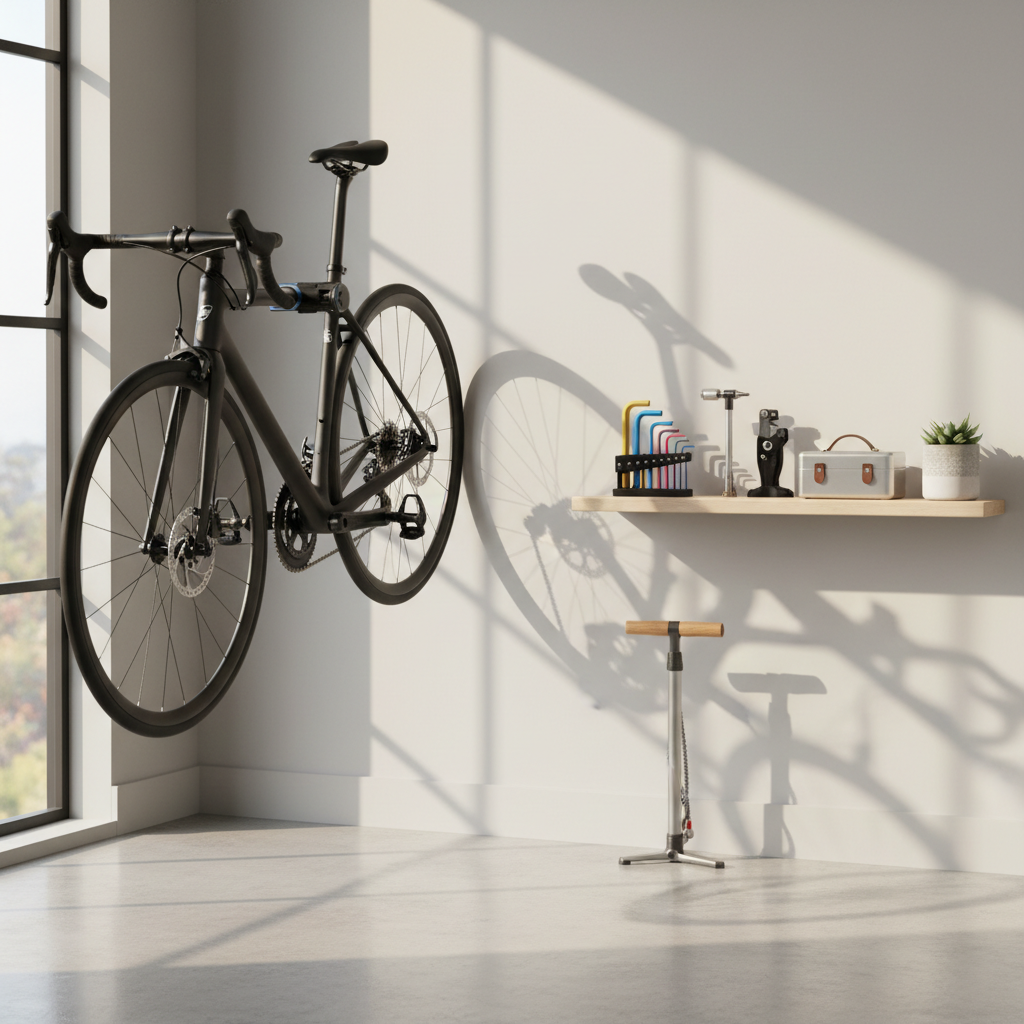
One more buying reality: if the kit includes a cheap mini pump, that pump often becomes the first thing you replace. Many riders are happier buying a decent pump separately and keeping the rest of the kit.
Beginner-friendly setup: what to carry vs. what to keep at home
Carrying too much is annoying, carrying too little is stressful. Here’s a simple split that works for many riders.
Carry on every ride
- Tube (or tubeless plug kit) + patches
- Tire levers
- Inflation: mini pump or CO2 + a backup plan
- Multi-tool with 4/5/6 mm hex and T25
- Quick link that matches your chain
Keep at home (starter level)
- Floor pump with gauge
- Full-size hex keys
- Torque wrench for sensitive parts (handlebar/stem/seatpost on many bikes)
- Chain checker (optional, but useful as you ride more)
Key takeaway: the road kit keeps you safe and moving, the home kit prevents damage and builds confidence.
Common mistakes (and what to do instead)
Tools don’t just fix bikes, they can also break things if you’re rushed. A few common traps show up over and over.
- Buying the biggest kit and assuming coverage. Better move: confirm your bolt standards (hex vs Torx) and your tire system (tubes vs tubeless).
- Ignoring torque on modern components. Better move: if you’re touching carbon parts, consider a torque wrench and follow manufacturer guidance.
- Using CO2 only with no backup. Better move: CO2 plus a tiny pump, or pump only if you’re new and want fewer variables.
- Over-tightening “because it felt loose”. Better move: tighten gradually, stop when secure, and if it slips again, check for a missing part or worn interface.
According to REI..., a basic pre-ride check helps catch issues early, which often reduces the number of emergency fixes you need mid-ride. A quick squeeze of tires and a glance at brakes can save a lot of fuss.
When to get help from a bike shop (and why that’s normal)
Some repairs look simple online but go sideways fast, especially if you’re learning. Getting help isn’t “failing,” it’s protecting your bike and your safety.
- Brake problems: rubbing, weak braking, hydraulic leaks, or contaminated pads, a shop can diagnose quickly.
- Steering or headset play: loose front end can be unsafe; if you’re unsure, have a mechanic check it.
- Cracks, deep dents, or carbon damage concerns: stop riding and ask a professional for an inspection.
- Persistent shifting issues: could be a bent derailleur hanger, cable stretch, or wear, and the right fix depends on diagnosis.
For anything safety-critical, it’s reasonable to be conservative and consult a qualified mechanic, especially if the bike is new to you or you changed components recently.
Conclusion: a practical “best kit” recipe for 2026 beginners
If you want a simple answer, the best bike tool kit for beginners in 2026 is usually a hybrid approach: a small, reliable on-bike kit for flats and loose bolts, plus a modest home setup that lets you work carefully.
Pick your next step: build a carry kit around your tire system and bolt types, then add a floor pump and decent hex set at home. If you do that, most “new rider” problems stop feeling like emergencies.
FAQ
- What should the best bike tool kit for beginners include for flat tires?
At minimum: tire levers, spare tube (or tubeless plug kit), and a dependable way to inflate. Many riders also carry patches so one puncture doesn’t end the week. - Is a bike multi-tool enough for most beginner repairs?
For roadside fixes, often yes. For home work, full-size tools usually feel safer and reduce the chance of stripping bolts, especially when you need more leverage. - Do I need a torque wrench as a beginner?
Not always, but it’s a smart purchase if you have carbon parts or you tend to overtighten. When in doubt, follow the component maker’s torque guidance. - What’s the difference between a road and mountain bike tool kit?
Mountain kits often prioritize tubeless plugs and higher-volume inflation. Road kits lean toward easy tube swaps and compact tools, since pressures are higher and tires can be tighter. - How do I know if my bike needs Torx tools?
Look for star-shaped bolt heads, commonly T25 on disc rotors. If you’re not sure, check your rotor bolts and a few accessory mounts before buying. - Should beginners carry CO2 or a mini pump?
A mini pump is slower but more forgiving for learning. CO2 is convenient but you can run out quickly if a tire isn’t seated or you make a mistake, so a backup plan helps. - Can a cheap all-in-one toolkit damage my bike?
It can, especially if the tool fit is sloppy and you round bolt heads. If a kit feels “mushy” in use, upgrade the key sizes you rely on most.
If you’re trying to choose a kit quickly, it often helps to list your bike’s bolt types, tire setup, and the kind of rides you do, then pick tools that solve those exact scenarios without extra clutter.