Best cycling arm warmers uv protection usually comes down to a simple mix: real UPF-rated fabric, a fit that doesn’t slide, and breathability that won’t turn your arms into a sauna.
If you’ve ever finished a summer ride with red forearms, sticky fabric, or tan lines that look like a barcode, you already know why arm warmers matter. They’re not just for “warmth”, in a lot of U.S. riding conditions they act like wearable shade, and they can be easier than reapplying sunscreen mid-ride.
This guide helps you choose what to buy and how to wear it, without pretending there’s one perfect option for everyone. I’ll also point out where marketing tends to get fuzzy, especially around UPF claims and cooling fabrics.
What makes UV cycling arm warmers “the best” (not just hyped)
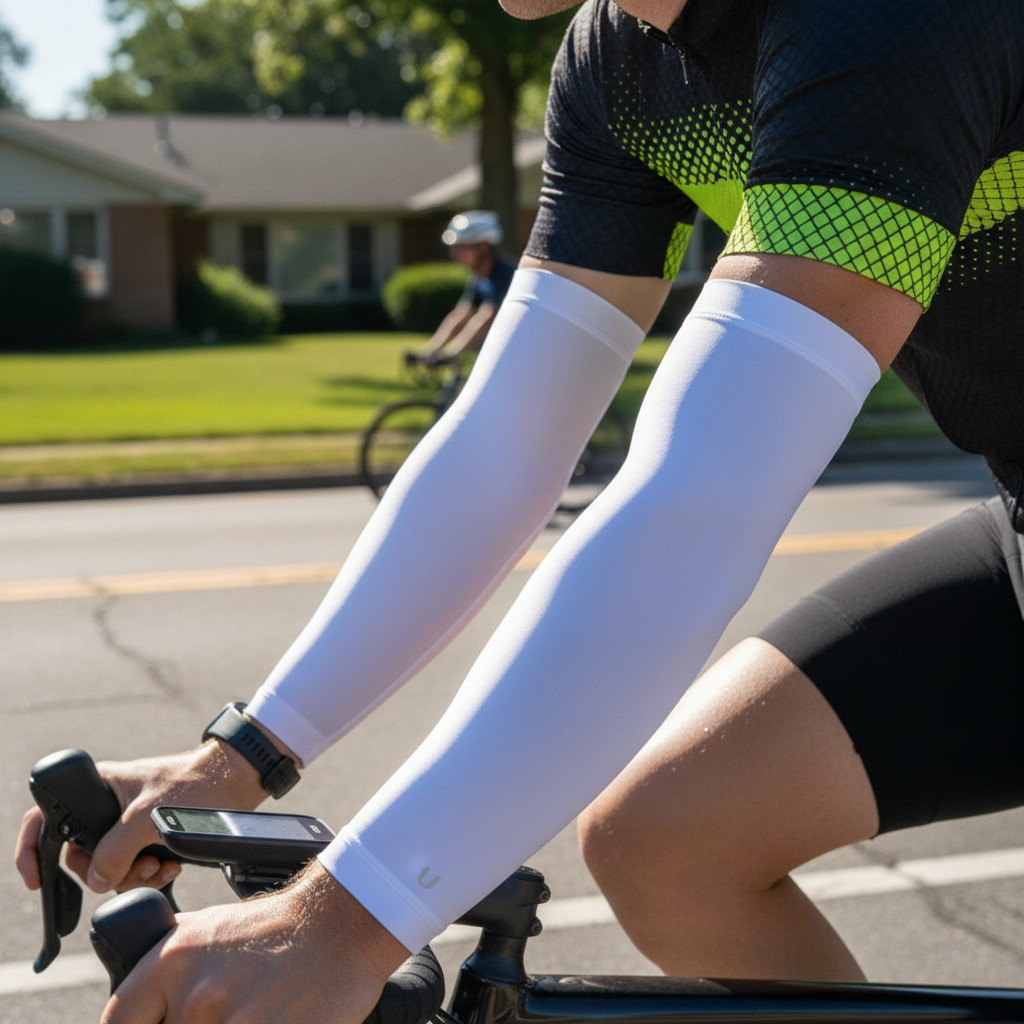
Most riders shopping for the best cycling arm warmers uv protection are really trying to solve three problems at once: sun exposure, heat management, and comfort over hours. If one of those fails, the whole product feels “bad” even if the UPF number looks great.
- Verified UPF rating: UPF 30–50+ is the common target for dedicated sun sleeves. Higher isn’t automatically better if the fabric becomes thick and hot.
- Breathability and moisture control: Look for knit structures or mesh zones that move sweat, not just “cool touch” buzzwords.
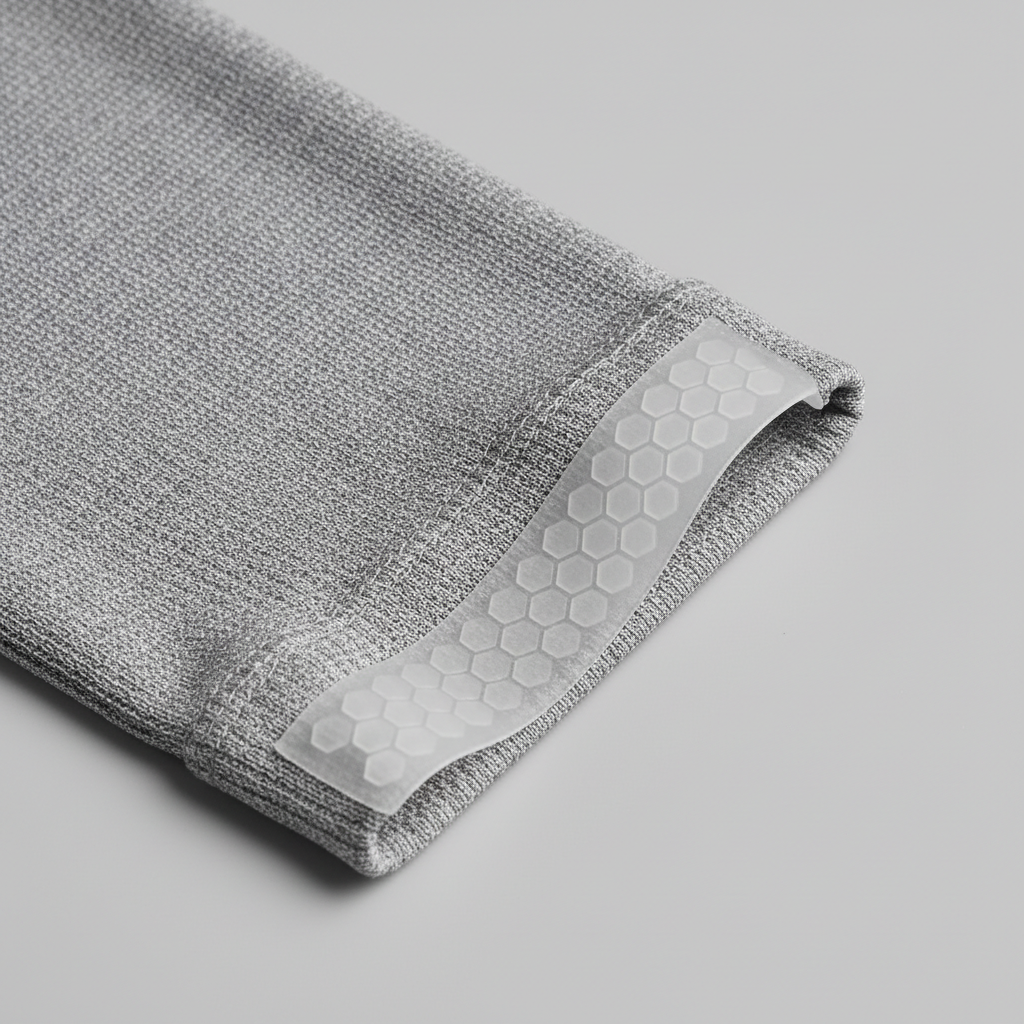
- Stable grip: A wide elastic band or silicone gripper can help, but too tight can cause numbness or a deep pressure line.
- Seams you forget about: Flatlock seams reduce chafing, especially when you ride with a slightly bent elbow for hours.
- Coverage and cut: Some are true “arm warmers” that stop at the bicep, others extend higher to meet a short-sleeve jersey.
According to Skin Cancer Foundation..., clothing can be an effective form of sun protection, especially when it has a UPF rating and provides consistent coverage without needing reapplication like sunscreen.
Quick comparison table: what to prioritize for your rides
Instead of chasing one winner, match the sleeve to your conditions. This table is the decision shortcut most people wish they had before buying two “almost right” pairs.
| Riding scenario | What to prioritize | What to avoid |
|---|---|---|
| Hot, dry, high sun (Southwest, summer) | UPF 50+, light color, high breathability | Thick thermal-style arm warmers |
| Humid heat (Southeast, Midwest summer) | Fast-wicking fabric, mesh panels, stable grip | Overly compressive sleeves that trap sweat |
| Long endurance rides (3+ hours) | Comfort seams, wide cuff, reliable sizing | Short cuffs that roll or pinch |
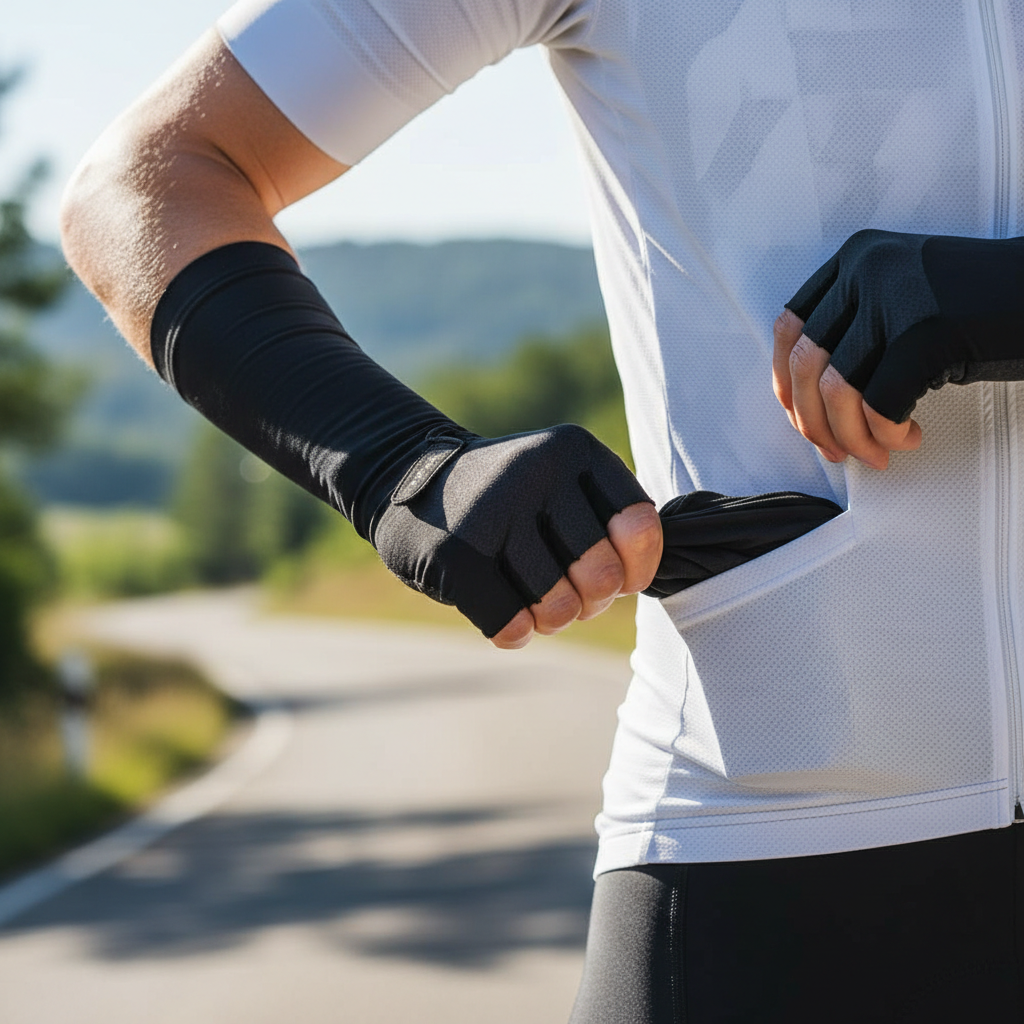
| Variable weather (morning cool → noon sun) | Packable sleeves, quick on/off, moderate compression | Bulky fabric that won’t fit jersey pockets |
| Gravel / trail-adjacent riding | Durable knit, snag resistance, secure grip | Ultra-thin fabrics that pill quickly |
How to judge UPF claims (and why some sleeves still feel “sunny”)
UPF is about how much UV radiation gets through the fabric. The catch is that real-world use changes fabric behavior.
- Stretch matters: Many sleeves stretch a lot on the forearm, and stretch can reduce effective UV blocking in some fabrics. If you’re between sizes, sizing up can reduce compression but may increase slip, sizing down can increase stretch and heat.
- Wet vs. dry: Sweat and water can change how light passes through a knit. Some fabrics maintain protection well; others become more translucent.
- Color isn’t everything: Dark colors often block more light, but can feel hotter. Many brands use treated yarns or tight weaves to get high UPF in lighter shades.
- “Cooling” is usually evaporation: A sleeve feels cooler when it helps sweat evaporate and blocks direct sun. In very humid air, that cooling effect may feel weaker.
According to American Academy of Dermatology..., sun-protective clothing with a UPF label can be a useful tool, and it’s still smart to combine it with other sun-safety habits depending on exposure and skin sensitivity.
Fit checklist: how to tell if your sleeves will slide, pinch, or chafe
The best UV sleeve is the one you forget you’re wearing. Here’s a fast self-check before you commit to a long ride.
Before the ride (2 minutes)
- Cuff test: Raise your arms overhead and back down, if the bicep cuff rolls or creeps, it will probably slide mid-ride.
- Bend test: Hold your normal hoods position for 30 seconds, if fabric bunches hard in the elbow crease, expect hot spots.
- Grip reality: Silicone grippers should feel secure, not like a tourniquet. Tingling fingers is a no.
During the ride (what riders notice too late)
- Jersey interface: If there’s a gap between jersey sleeve and arm warmer, you’ll get a sun stripe right at the shoulder line.
- Wrist comfort: Tight wrists can irritate when you sweat and flex repeatedly.
- Fabric twist: If the sleeve rotates, seams may start rubbing, especially on longer climbs.
Picking your pair: material and design choices that actually matter
When people ask for the best cycling arm warmers uv protection, they often picture one “top rated” product. But materials behave differently under heat, sweat, and road vibration, so your best choice is often a category match.
Common fabric types
- Nylon/Spandex blends: Common for a smooth, compressive fit. Usually durable and supportive, sometimes warmer in high humidity.
- Polyester performance knits: Often feel lighter and dry fast. Quality varies a lot, so check stitching and cuff design.
- Mesh-mapped sleeves: Panels placed where you sweat most can feel noticeably better on long summer rides.
Design details worth paying for
- Wide upper band: Spreads pressure and can reduce sliding.
- Reflective hits: Useful for early starts, though don’t expect it to replace lights.
- Seam placement: A seam running right through the elbow crease tends to annoy riders over time.
Key point: If you’re very sun-sensitive, consider pairing sleeves with a higher-collar jersey or a light neck gaiter, because coverage gaps are where sun finds you.
How to use arm warmers for UV protection (so they work like you expect)
Even great sleeves disappoint when they’re worn wrong. These steps are basic, but they prevent most “why did I still burn?” moments.
- Put them on dry: Getting the cuff positioned correctly is easier before you start sweating.
- Align seams intentionally: If there’s a shaped elbow, put it where your elbow actually bends.
- Overlap your jersey sleeve: Aim for an overlap that stays put when you reach forward on the bars.
- Re-check after 20 minutes: Fabric settles once you’re warmed up, a quick tug can prevent later sliding.
- Pack a small sunscreen: Sleeves cover forearms, but you still need ears, neck, hands, and sometimes the upper arm gap depending on jersey cut.
According to Centers for Disease Control and Prevention..., sun protection is typically strongest when you combine multiple approaches, such as protective clothing and sunscreen, especially during peak UV hours.
Common mistakes (and what to do instead)
These are the buying and riding errors that come up again and again, even among experienced cyclists.
- Choosing “compression first”: Mild compression can feel supportive, but too much can trap heat and feel worse in summer.
- Assuming all white sleeves are cool: White can reduce heat feel, but the fabric still needs to breathe. A clammy sleeve is not “cooling.”
- Ignoring sizing charts: Brands size differently, and sleeves are less forgiving than jerseys. Measure your bicep and mid-forearm if the brand provides guidance.
- Washing with fabric softener: It can reduce wicking and sometimes affects finishes. Mild detergent and air dry tends to keep performance longer.
- Keeping old sleeves too long: If fabric looks thin, shiny, or permanently stretched, protection and comfort may not be what they used to be.
When to get extra help (skin concerns and comfort issues)
If you burn easily, have a history of skin issues, or take medications that increase sun sensitivity, it’s worth asking a dermatologist what level of coverage makes sense for your riding routine. Arm sleeves can help, but they’re only one part of a broader plan.
Also, if you get numbness, persistent tingling, or unusual swelling with sleeves, stop using that pair and consider a different size or a less compressive model, and consult a medical professional if symptoms continue.
Conclusion: a practical way to choose your next pair
The best cycling arm warmers uv protection choice is the pair you’ll actually wear on your hottest, brightest rides: UPF-rated, breathable enough for your climate, and stable at the cuff without feeling aggressive.
If you’re shopping today, pick one sleeve optimized for your most common conditions, then dial in fit with a short test ride before trusting it for an all-day event. Your skin, comfort, and focus on the bike tend to improve together when the sleeves stop being something you “notice.”
FAQ
- Do cycling arm warmers really block UV, or is it marketing?
Many do provide meaningful protection, especially when they carry a clear UPF rating. Without a rating, you’re mostly trusting fabric thickness and brand claims, which can vary. - Is UPF 50 always better than UPF 30 for arm sleeves?
Not always. UPF 50 blocks more UV, but in very hot conditions a slightly lighter sleeve can feel better and still offer strong protection when combined with other sun-safe habits. - Can I wear UV arm sleeves in extreme heat?
Usually yes, if the fabric breathes and fits well. In humid heat, some riders prefer thinner or mesh-mapped sleeves because evaporation is harder. - Why do my arm warmers slide down while riding?
Common causes are undersized cuffs that roll, sweat reducing grip, or the sleeve being too large at the bicep. A wider band or different size often fixes it. - Do I still need sunscreen if I wear arm warmers?
Often yes, because sleeves don’t cover face, neck, hands, and sometimes the upper arm gap. Many riders use sleeves to reduce how often they need to reapply on forearms. - How tight should cycling arm warmers feel?
Snug enough not to move, but not tight enough to cause tingling or deep marks. If you feel pressure building during climbs, that’s a sign to change size or fabric. - How do I wash UPF arm sleeves to keep performance?
Cold or warm wash with mild detergent, skip fabric softener, and air dry when possible. Harsh heat can shorten elasticity over time.
If you’re trying to narrow down the best cycling arm warmers uv protection options for your climate and ride length, it may help to list your typical start time, temperature swing, and whether you sweat heavily, then choose fabric and cuff style around that instead of chasing the highest UPF number on the label.