Best cycling jacket waterproof windproof choices come down to one thing: how well a jacket manages rain on the outside and sweat on the inside, without turning every gust into a core-temperature problem.
If you ride in the U.S., you probably know the exact misery I mean, a “waterproof” shell that wets out in 30 minutes, a “breathable” layer that feels like a plastic bag on climbs, or a cut that flaps loud enough to make you regret buying it.
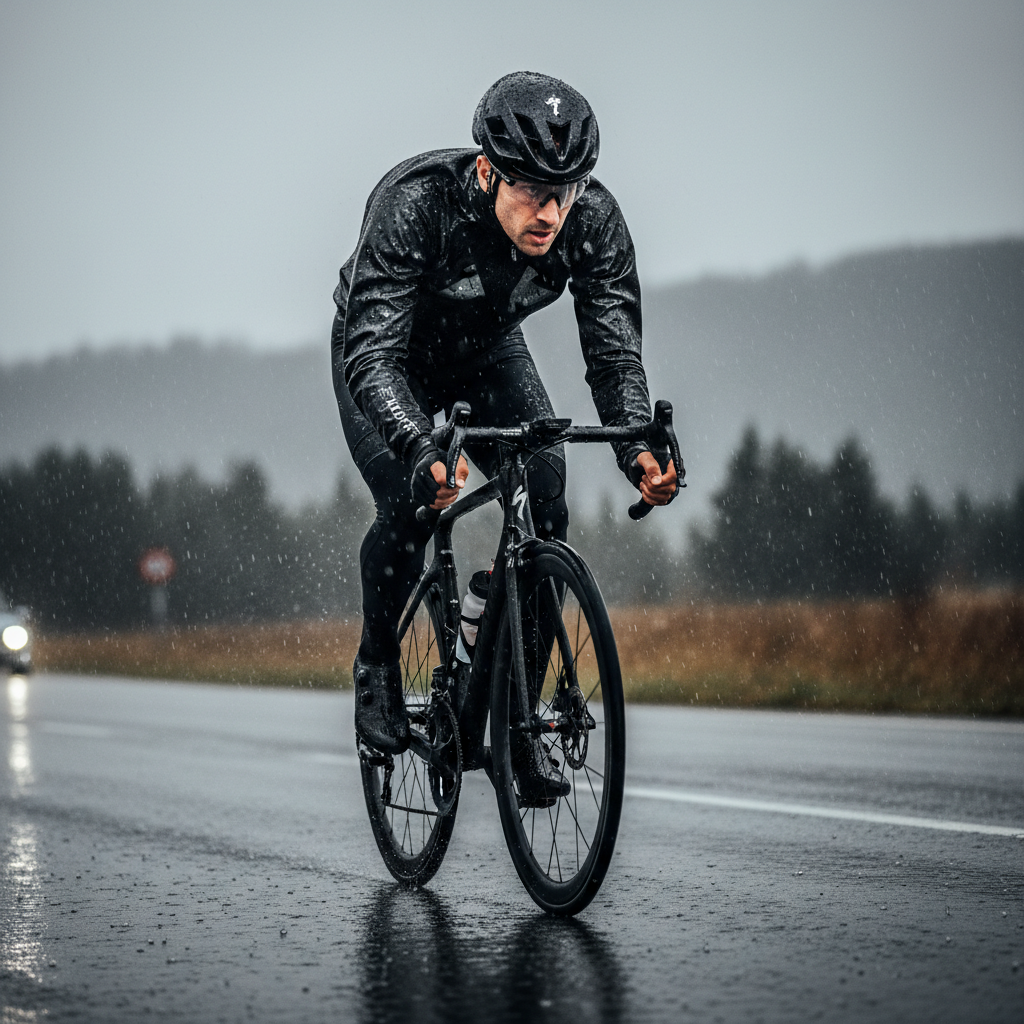
This guide helps you pick a jacket that matches your riding, short commutes, long weekend base miles, or fast group rides where wind chill bites. You’ll also get a quick checklist, a comparison table, and a few “don’t do this” notes that save money.
What “waterproof” and “windproof” really mean on a bike
On a bike, waterproofing is less about standing still in a storm and more about staying functional while you move, your arms pump, your shoulders stretch, and your back sits under a pack or pockets. That movement exposes weak seams and cheap face fabrics fast.
Windproof is usually simpler, most tightly woven shells block wind well, but the real test is what happens when windproofing traps heat. A jacket can be windproof and still feel awful if it can’t move moisture out.
Breathability is the part brands oversell because it’s hard to feel in a store. Real-world breathability depends on fabric tech and venting, fit, and how you layer.
- 2-layer vs 2.5-layer vs 3-layer: 3-layer laminates often feel more durable and less “clammy,” but usually cost more.
- DWR and wet-out: the water-beading finish wears off, when the face fabric wets out, breathability drops even if the membrane still blocks water.
- Seams and zippers: taped seams and good zipper garages matter more than most people think.
According to NOAA (National Weather Service), wind chill increases heat loss as wind speed rises, which is why wind management matters even when the forecast doesn’t look extreme.
Common reasons riders end up with the wrong rain shell
Most “bad jacket” stories come from mismatch, buying a commuter raincoat for fast road miles, or buying an ultralight race shell for slow, cold, steady rain. The jacket isn’t always junk, it’s just the wrong tool.
- You ride harder than the jacket can vent: climbs plus stop-and-go traffic often overwhelm fully sealed shells.
- You expect one jacket to cover every season: a summer storm shell and a winter rain jacket can be different animals.
- Fit mistakes: too loose flaps and pumps cold air, too tight limits layering and strains seams at shoulders.
- Ignoring collar and cuffs: many leaks start at wrists and neck, not the fabric.
- Chasing “most waterproof” over “most usable”: if you overheat, you still end up soaked, just from the inside.
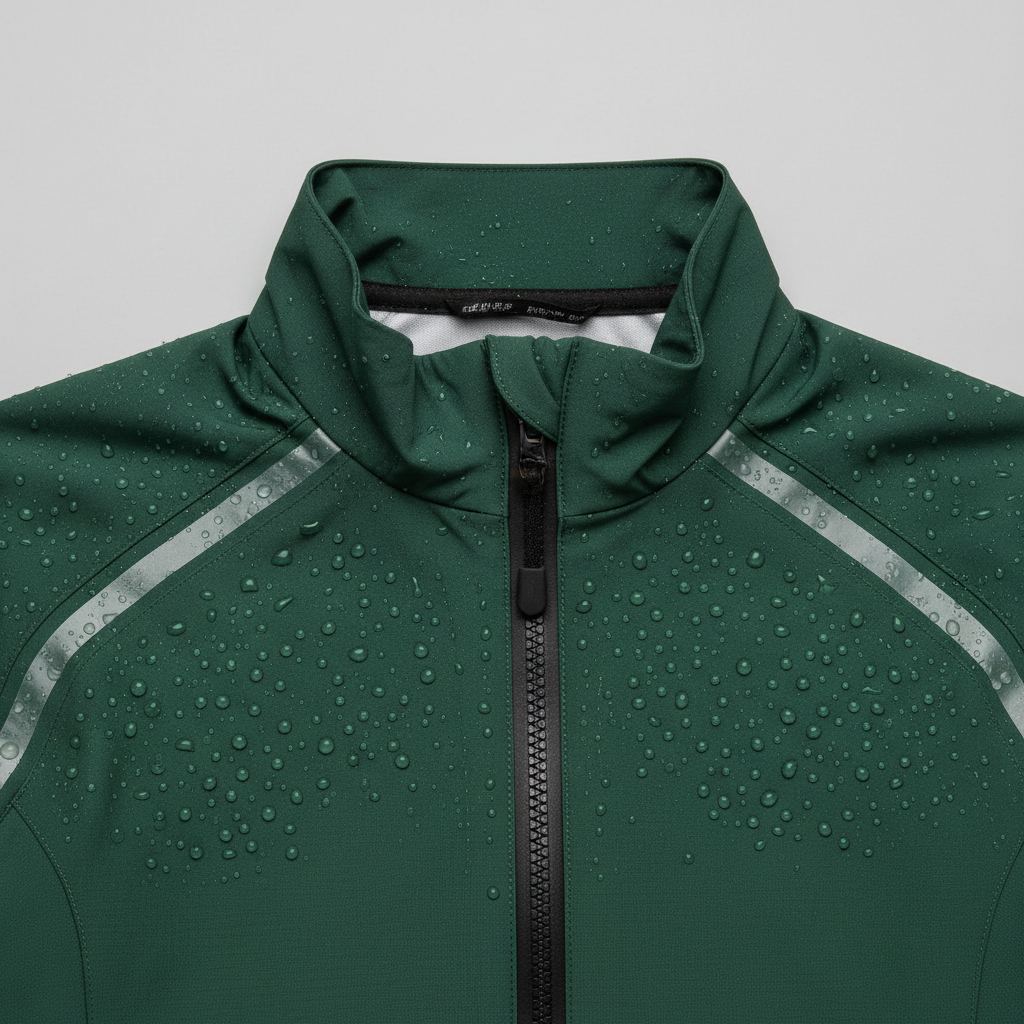
Also, a quick reality check: even strong waterproof membranes can fail you if the DWR is worn and the outer fabric stays saturated. Many riders interpret that as “it leaks,” when it’s often breathability collapse and condensation.
Quick self-check: what kind of waterproof windproof cycling jacket do you need?
Use this like a sorting hat. Answer honestly, because your “best cycling jacket waterproof windproof” pick depends on pace, temperature, and how long you stay out.
- Your typical ride intensity: easy, moderate, or hard intervals?
- Rain type: drizzle, steady rain, or sudden downpours?
- Ride duration: under 60 minutes, 1–3 hours, or all-day?
- Temperatures: above 55°F, 40–55°F, or below 40°F?
- Do you carry a backpack? strap pressure increases wet-out and wear.
- Safety needs: commuting at night may require more reflectivity than weekend rides.
If you ride hard in mild temps, prioritize venting and packability. If you ride long in cold rain, prioritize durable waterproofing, a good collar, and cuff sealing, even if the jacket feels a bit less airy.
Key features that actually matter (and which are just marketing)
Fabric + construction
- Fully taped seams: a must for sustained rain, especially shoulder and yoke areas.
- Quality face fabric: it resists abrasion and holds DWR longer, helpful for gravel rides and commuting.
- Stretch panels: can improve fit, but sometimes reduce waterproof integrity if used in high-exposure zones.
Ventilation you’ll use while riding
- Two-way front zipper: easier to vent without the jacket ballooning.
- Underarm vents: not common on tight road cuts, but very useful for commuters and MTB-style shells.
- Back venting: can help, but only if it doesn’t funnel spray into the jacket.
Bike-specific fit details
- Dropped tail: helps keep road spray off your lower back.
- High collar that doesn’t chafe: good collars seal without rubbing when you turn your head.
- Cuffs that seal with gloves: a small gap at the wrist can soak your baselayer quickly.
According to the Federal Highway Administration (FHWA), visibility is a major factor in crash risk, so reflectivity and bright colorways are not just “nice,” especially for mixed-traffic commuting.
Comparison table: choosing the right jacket type for 2026 riding
This isn’t brand-specific on purpose, model names change fast. But these categories stay consistent, and they map well to what you’ll see in shops.
| Jacket type | Best for | Trade-offs | What to look for |
|---|---|---|---|
| Ultralight race shell | Fast road rides, “just in case” weather | Can feel clammy, less durable | Small pack size, strong DWR, snug cuffs |
| All-around waterproof road jacket | 1–3 hour rides in steady rain | Heavier, costs more | 3-layer feel, taped seams, dropped tail |
| Commuter rain shell | Stop-and-go, practical storage needs | Often boxier, flaps in wind | Helmet-friendly hood (if needed), reflectivity |
| Gravel/MTB-style waterproof shell | Mixed terrain, higher abrasion | Less aero, can run warm | Tough face fabric, pit zips, durable cuffs |
How to pick the best cycling jacket waterproof windproof for your scenario
Here’s the practical part, pick a lane and match features to the ride you actually do most weeks.
Scenario A: fast road rides and surprise showers
- Choose a lighter shell that fits close so wind can’t inflate it.
- Prioritize a smooth, easy zipper and a collar that seals without choking.
- Keep expectations realistic, in warm rain, you may still feel damp from sweat.
Scenario B: long rides in cold, steady rain
- Go more durable, higher-coverage, better cuffs, better hem grip, better seam taping.
- Plan your layering: thin wicking base + insulating midlayer as needed + waterproof shell.
- Look for pockets that still work while in riding position, because you’ll need food and gloves.
Scenario C: commuting and errands
- Visibility upgrades matter: reflective panels, brighter colors, and easy-to-reach vents.
- If you carry a bag, consider tougher fabrics where straps sit, and accept a bit more weight.
- Think about storage, keys/phone pockets, and whether you need a hood for off-bike time.
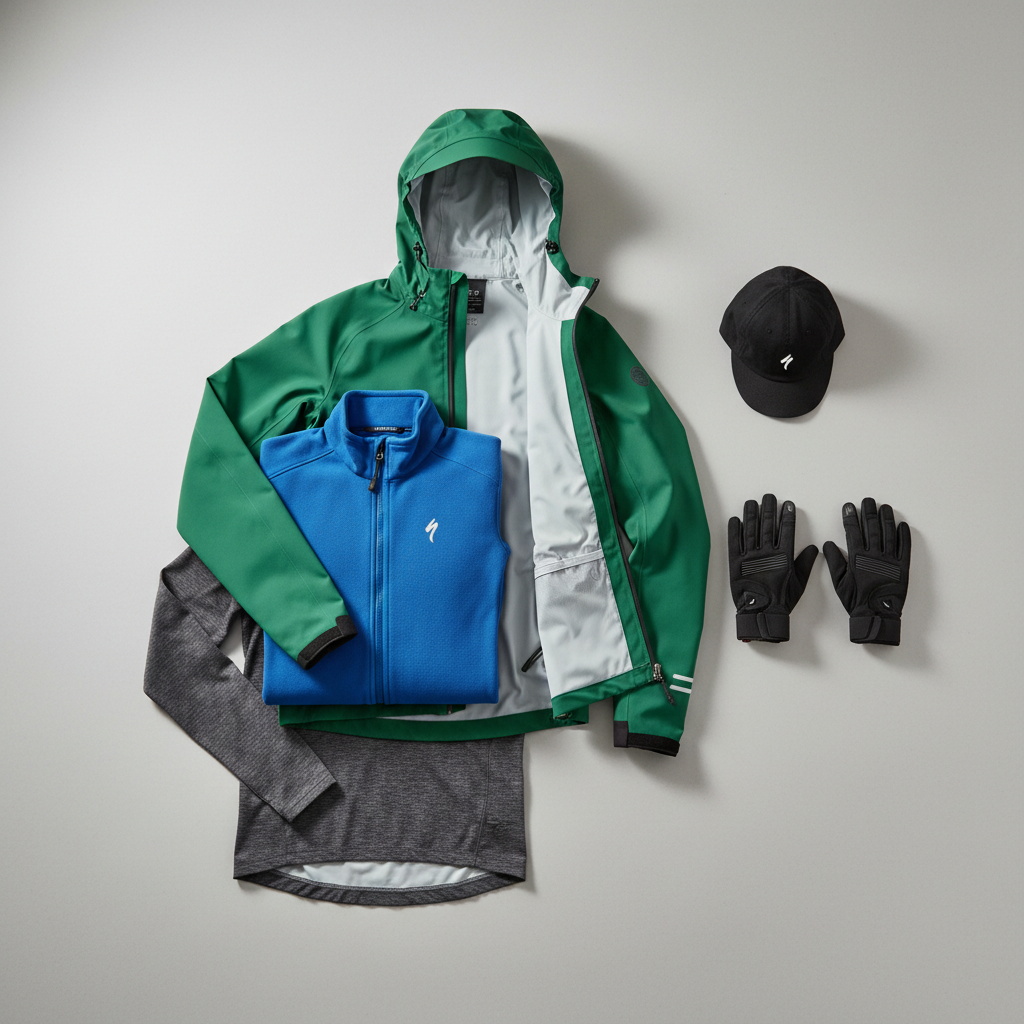
If you’re torn between two options, it’s usually safer to buy for your most uncomfortable condition, cold rain. You can always unzip and vent in mild weather, but you can’t add structure and sealing once you’re shivering.
Fit, sizing, and layering: the stuff that makes or breaks comfort
A waterproof shell that fits wrong can feel worse than a mediocre one that fits right. Try jackets in riding posture, elbows bent, shoulders forward, and check these details.
- Shoulder mobility: no tight pull when reaching the hoods or bars.
- Hem stability: the back hem should stay down without constant tugging.
- Collar comfort: can you turn your head without scraping your jawline?
- Glove interface: cuff sits cleanly over or under gloves, whichever you prefer.
Layering tip that often helps: if you overheat easily, reduce midlayer thickness and rely on wind blocking. If you get cold easily, add insulation and pick a shell with better sealing and coverage.
Care, reproofing, and “why it stopped working”
Many jackets lose real-world performance because the face fabric gets contaminated with oils, sweat, and grime. That speeds up wet-out, then you feel soaked and blame the membrane. Maintenance is boring, but it’s cheaper than replacing a shell every season.
- Wash as directed: use a technical cleaner when possible, avoid fabric softener.
- Restore DWR: apply a wash-in or spray-on reproofing product when water stops beading.
- Heat activation: some DWR finishes respond to low heat, follow the brand’s label.
- Check seam tape: peeling tape can be repaired, but it may be worth professional evaluation.
According to REI Co-op Expert Advice, regular cleaning and DWR maintenance help waterproof breathable shells perform closer to their design intent over time.
Common mistakes to avoid before you spend money
- Buying “waterproof” without taped seams: fine for light mist, frustrating in real rain.
- Overprioritizing pockets: pockets can become leak points if the design is sloppy.
- Ignoring noise and flap: if it’s annoying, you’ll stop wearing it.
- Assuming any windbreaker works in rain: windbreakers can be great, just not when rain lasts.
Also, don’t let perfect be the enemy of useful. A jacket that’s slightly less breathable but seals well can be the right answer for cold conditions, while a “breathable” shell that wets out early can feel like a bad joke.
When it’s worth getting expert help
If you ride in extreme weather, do endurance events, or have medical considerations around temperature regulation, it’s smart to get a second opinion. A reputable local bike shop can assess fit in riding posture, and a clothing specialist can help you build a layering system that won’t trigger overheating or chilling.
If you notice symptoms like dizziness, confusion, or uncontrolled shivering during cold rain rides, consider stopping and warming up, and seek medical advice as appropriate. Safety calls are personal and conditions change fast.
Conclusion: a good jacket keeps you riding, not suffering
The best waterproof windproof cycling jacket in 2026 is the one that matches your pace, your typical weather, and your tolerance for heat and bulk, not the one with the loudest waterproof claim. Focus on seam sealing, usable venting, bike-specific fit, and a fabric that resists wet-out, then keep it clean so it stays effective.
If you want one action step today, do your self-check and decide which scenario you ride most. If you want a second step, try two jackets with different cuts in riding posture and pick the one you’d actually reach for on a gloomy forecast.
Key takeaways
- Waterproof performance depends on DWR, seams, and construction, not just a membrane claim.
- Windproof comfort comes from fit and venting as much as fabric tightness.
- Match the jacket to ride intensity and rain duration, not to marketing labels.
- Maintenance matters when water stops beading, breathability drops fast.
FAQ
- What makes a cycling jacket truly waterproof in real rain?
Fully taped seams, a reliable zipper design, and a face fabric that resists wet-out tend to matter most. A membrane alone may not feel waterproof once the outer fabric stays saturated. - Is windproof always necessary if a jacket is waterproof?
Often yes, but many waterproof shells already block wind well. The bigger question is whether the jacket manages moisture so you don’t overheat when the windproof barrier traps heat. - Why do I feel wet inside a “waterproof” jacket?
Commonly it’s condensation from sweat and reduced breathability after wet-out. Venting, pacing, and layering choices can change this more than people expect. - Should I size up to fit layers under a rain jacket?
Sometimes, but oversizing can cause flapping and cold air pumping. A better approach is choosing a cut designed for layering while keeping sleeves and torso stable in riding position. - Are pit zips worth it for road cycling?
For high-output rides, they can help, but some road cuts skip them for aerodynamics. If you frequently climb or commute, venting features often pay off. - How often should I reapply DWR?
When water stops beading and the fabric darkens quickly in drizzle, it’s usually time. Washing and reproofing schedules vary by use, sweat, and grime exposure. - Can I use a hiking rain jacket for cycling?
You can, but the fit and tail coverage may not suit riding posture, and flapping can be annoying in wind. It may work for casual commuting more than fast group rides.
If you’re trying to choose between two “best cycling jacket waterproof windproof” contenders and the spec sheets all look the same, it can help to write down your most common ride scenario and your biggest discomfort trigger, cold hands, soaked back, overheating, then filter features around that instead of chasing the highest-tech label.