Best cycling snack bars for energy usually come down to one thing: how reliably they deliver carbs without upsetting your stomach when intensity rises. If you’ve ever bonked with a pocket full of bars, you already know the problem isn’t “no food,” it’s the wrong food for your pace, your gut, and the weather.
This topic matters because cycling fueling is less forgiving than people expect. On a long ride, a bar that feels fine at the café can turn into a chewy brick at mile 40, or it tastes great but has too much fat and slows absorption when you need quick carbs.
Below is a practical way to choose bars that fit common ride scenarios, plus a comparison table, an at-a-glance checklist, and a few easy “mix and match” plans you can actually follow.
What actually makes a cycling snack bar “good for energy”
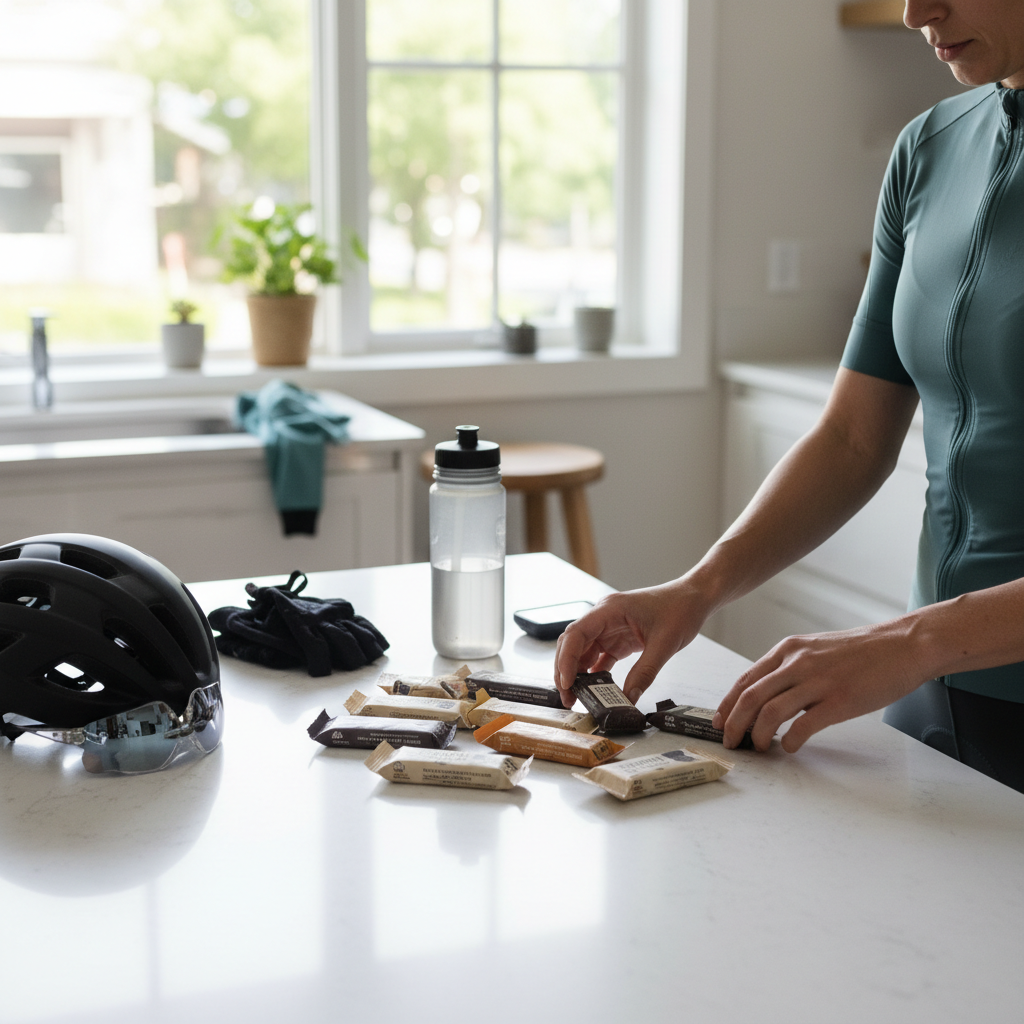
For on-bike energy, bars work best when they act like a steady carb delivery system, not a mini dessert or a “healthy” protein bar. Most riders feel the difference when they pay attention to three levers: carb amount, carb type, and how easy it is to chew and swallow while breathing hard.
- Carbs (primary fuel): Many rides go smoother when your bar gives roughly 20–40g carbs per serving, depending on your hourly target.
- Low-to-moderate fat and fiber: These can be fine in small amounts, but higher levels often slow gastric emptying, which may increase GI risk when intensity climbs.
- Sodium (context-dependent): Helpful in heat or heavy sweaters, but you might rely on drink mix or electrolytes instead.
- Texture matters: If it turns gummy in the cold or crumbly in heat, you’ll eat less, which defeats the point.
According to the American College of Sports Medicine (ACSM), carbohydrate intake during endurance exercise is commonly recommended in the range of about 30–60 g per hour, and higher intakes can be appropriate for longer events when tolerated, so bars are often one piece of a larger fueling plan.
Quick comparison: bar types and when they tend to work
Instead of naming a single “winner,” it’s more realistic to match bar style to ride demands. This table is a quick shortcut.
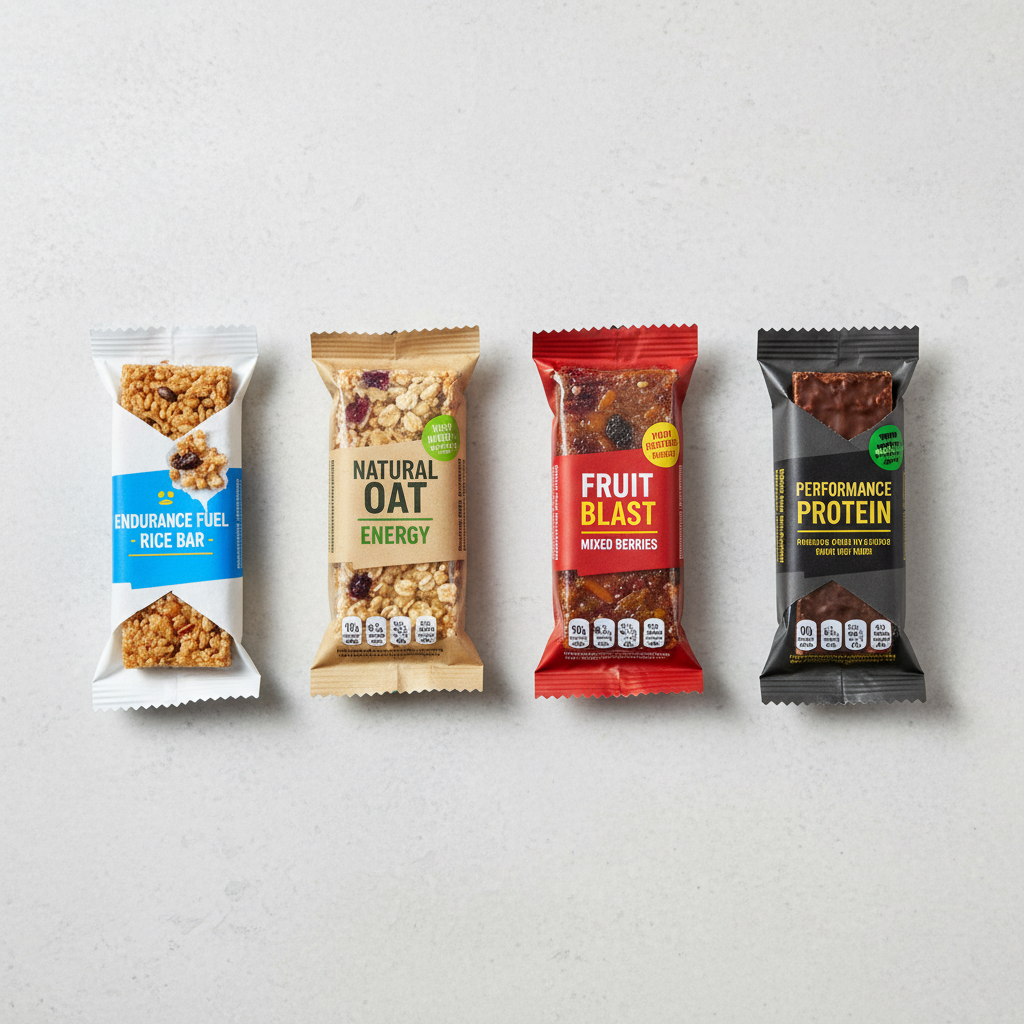
| Bar style | Typical profile | Best use case | Watch-outs |
|---|---|---|---|
| Rice-based / soft chew bar | Higher carbs, low fiber, easy bite | Intervals, races, hard group rides | Can melt in high heat, can feel “too sweet” after hours |
| Oat-based bar | Moderate carbs, a bit more fiber | Endurance pace, mixed terrain | May feel heavy at high intensity, can be dry |
| Date/fruit-forward bar | Quick carbs, simple ingredients | Shorter rides, topping up late ride | Some riders get GI trouble from high fructose or dense fruit paste |
| “Protein” bar | More protein/fat, lower net carbs | Post-ride snack, travel, casual rides | Often not ideal as primary on-bike fuel |
| Homemade bar/balls | Customizable, cost-friendly | Training blocks, predictable recipes | Food safety, melting, inconsistent macros |
If your goal is steady power, “energy bar” usually means carb-first. When you see a bar marketed as keto, high-protein, or high-fiber, it can still have a place, just not as your main mid-ride fuel in many cases.
How to choose the best bar for your ride length and intensity
This is where most people get stuck: they shop for “healthy,” then wonder why their legs quit. For cycling energy, start with ride demand, then pick the bar.
1) Short rides (under ~75 minutes)
If you ate a normal meal earlier, you may not need much. But if you like having a safety net, choose a smaller bar or half a bar that’s easy to chew.
- Aim for 15–25g carbs from a softer, lower-fiber option.
- Priority: convenience and tolerance, not maximum calories.
2) Endurance rides (90 minutes to 3 hours)
This is the sweet spot for bars. You can usually tolerate a bit more texture, and the steady carb trickle keeps the ride from going sideways late.
- Many riders target 30–60g carbs per hour total from bars plus drink mix or gels.
- Pick bars with moderate sweetness, because flavor fatigue is real.
3) Long rides (3+ hours) and events
Variety matters. A bar every hour sounds tidy, but in reality you’ll mix textures and carb sources to keep eating.
- Rotate between a bar, a gel/chew, and a carb drink to reduce chewing fatigue.
- If heat is high, consider relying more on liquids and softer options, bars can become unappealing.
4) High intensity (races, hard group rides, intervals)
When breathing gets heavy, dense bars often stop working. The “best cycling snack bars for energy” in this situation tend to be soft, low fiber, quick to swallow, even if that feels less “natural.”
- Look for bar styles that mimic chews: soft rice-based, low fat, low fiber.
- If you know your gut is sensitive, test in training, not on event day.
A fast self-check: which bar profile fits your stomach?
Gut tolerance is personal, and labels don’t tell the whole story, but this checklist helps you narrow options quickly.
- If you get bloated easily, try lower fiber, lower fat bars, and smaller bites more often.
- If sweetness makes you nauseous, look for mild flavors, less intense fruit concentrates, or savory options.
- If you cramp in heat, ensure your overall plan includes sodium, either via bar or drink.
- If you struggle to eat while riding, prioritize soft texture, easy-open packaging, and consider splitting servings.
- If you feel energy spikes and crashes, avoid bars that are mostly fats with little carb, and pair bars with consistent sipping from a carb drink.
According to the International Society of Sports Nutrition (ISSN), carbohydrate is a key performance fuel during endurance exercise, but GI tolerance varies widely, which is why practice fueling in training tends to be emphasized.
Practical fueling plans (realistic, not perfect)
Bars work best when you treat them as one tool. Here are a few “plug-and-play” approaches many cyclists find manageable.
Plan A: Steady endurance pace, minimal fuss
- Every 30–40 minutes: half to one bar (aiming for ~20–30g carbs).
- Between bites: water or light electrolyte drink.
Plan B: Long ride with some intensity
- Hour 1–2: bar-focused fueling while intensity stays moderate.
- Later hours or harder segments: shift toward softer carbs (chews/gel) plus carb drink.
Plan C: Heat or very dry conditions
- Use bars earlier, when you still feel like chewing.
- As the ride goes on: more liquid carbs, and pick bars that don’t turn into paste in your mouth.
Key point: if your hourly carb target is 60g, and your bar has 30g, you’re not “done” after one bar. You still need another 30g from somewhere, and that’s where many bonks happen.
Common mistakes that make “good bars” feel useless
A lot of bar disappointment is timing and pairing, not the bar itself.
- Waiting too long: If you eat only after you feel shaky, you’ll chase the deficit for the rest of the ride.
- Overdoing fiber: Bars marketed as “clean” often add chicory root, nuts, or lots of whole grains, which may backfire at tempo.
- Mixing too many new items at once: New bar + new drink mix + new gel can make it hard to identify what caused GI trouble.
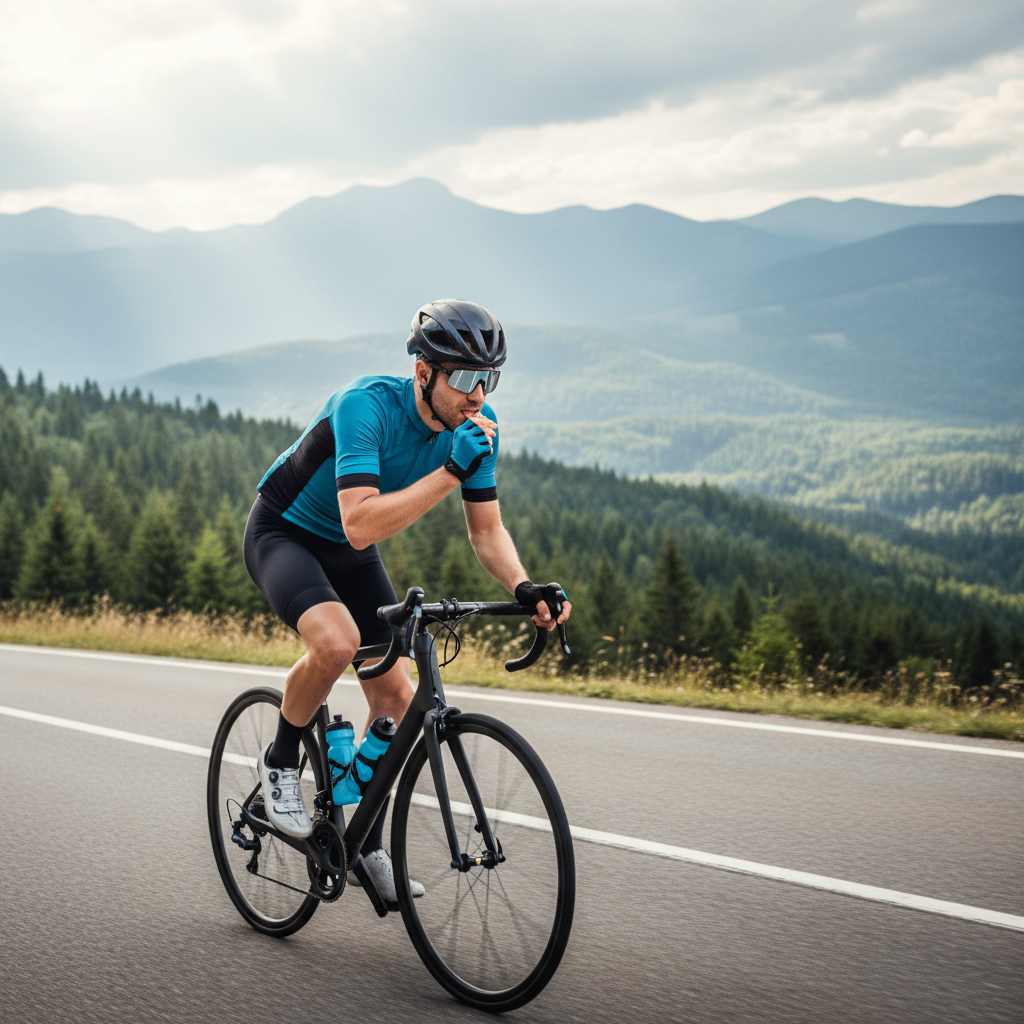
- Ignoring packaging reality: If you can’t open it with gloves or sweaty hands, you’ll skip it.
- Treating protein as mid-ride fuel: Protein has a role, but for many riders it doesn’t replace carbs for on-bike energy.
If you’re aiming for the best cycling snack bars for energy, you’re also aiming for repeatability. The bar you can eat every week without drama is usually the right one.
When you may want professional guidance
If fueling keeps going wrong despite simplifying, it can be worth getting help. Repeated nausea, vomiting, dizziness, unusual fatigue, or cramps that don’t match your training level can have many causes, and a sports dietitian can often spot patterns faster than trial-and-error.
Also, if you have diabetes, GI conditions (like IBS), food allergies, or you’re using endurance training for weight management, it’s smart to consult a qualified clinician or registered dietitian for a plan that fits your health needs.
Conclusion: picking a bar is easy, picking a system is what works
The best cycling snack bars for energy are the ones that match your ride intensity, sit well in your stomach, and help you hit a realistic hourly carb target without turning every stop into a snack negotiation. Start with one bar style you tolerate, test it on routine rides, then adjust for heat, pace, and flavor fatigue.
If you want a simple next step, check your favorite bar’s carb grams, then build an hourly plan around it, one that you can actually follow when you’re tired.
Key takeaways
- Carbs first for on-bike energy, especially when intensity rises.
- Lower fat and fiber often feels easier mid-ride, though tolerance varies.
- Use bars as part of a system with drink mix, gels, or real food.
- Practice fueling in training, not just on event day.
FAQ
- How many snack bars should I eat per hour while cycling?
It depends on your carb target and the bar’s carb content. Many cyclists aim around 30–60g carbs per hour, so that might be one bar, or half a bar plus a carb drink. - Are protein bars good during a bike ride?
Sometimes for very easy rides, but they’re often lower in carbs and higher in fat or fiber, which can feel heavy. Many riders prefer saving them for post-ride or as a travel snack. - What’s the easiest bar to digest on hard rides?
Soft, low-fiber bars tend to be easier when intensity is high. Still, digestion is individual, so it’s worth testing on a few training sessions. - Do I need electrolytes if my bar has sodium?
Not always. If your drink already has sodium, you may be covered. In heat or heavy sweat conditions, some riders do better with a more structured electrolyte plan. - Why do some “healthy” bars upset my stomach on the bike?
Often it’s added fiber, sugar alcohols, or higher fat content, which can slow digestion. On the bike, especially at tempo, that can translate into bloating or nausea. - Should I choose gluten-free bars for cycling energy?
Only if you need gluten-free for medical reasons or personal tolerance. Gluten-free doesn’t automatically mean easier to digest or better for performance.
If you’re trying to dial in a more reliable fueling setup, it can help to choose two “go-to” bar styles you tolerate, then pair them with a drink mix that matches your usual ride duration, so you’re not reinventing nutrition every weekend.