The best bike lock for security heavy duty is usually a hardened-steel U-lock or a high-end chain, but the “best” choice depends on where you park, how long you leave the bike, and what thieves in your area typically use.
If you only take one thing from this guide, make it this: a lock is a system, not a single product. The wrong lock type for your parking situation, or a strong lock used poorly, still ends with an empty rack and that awful stomach drop.
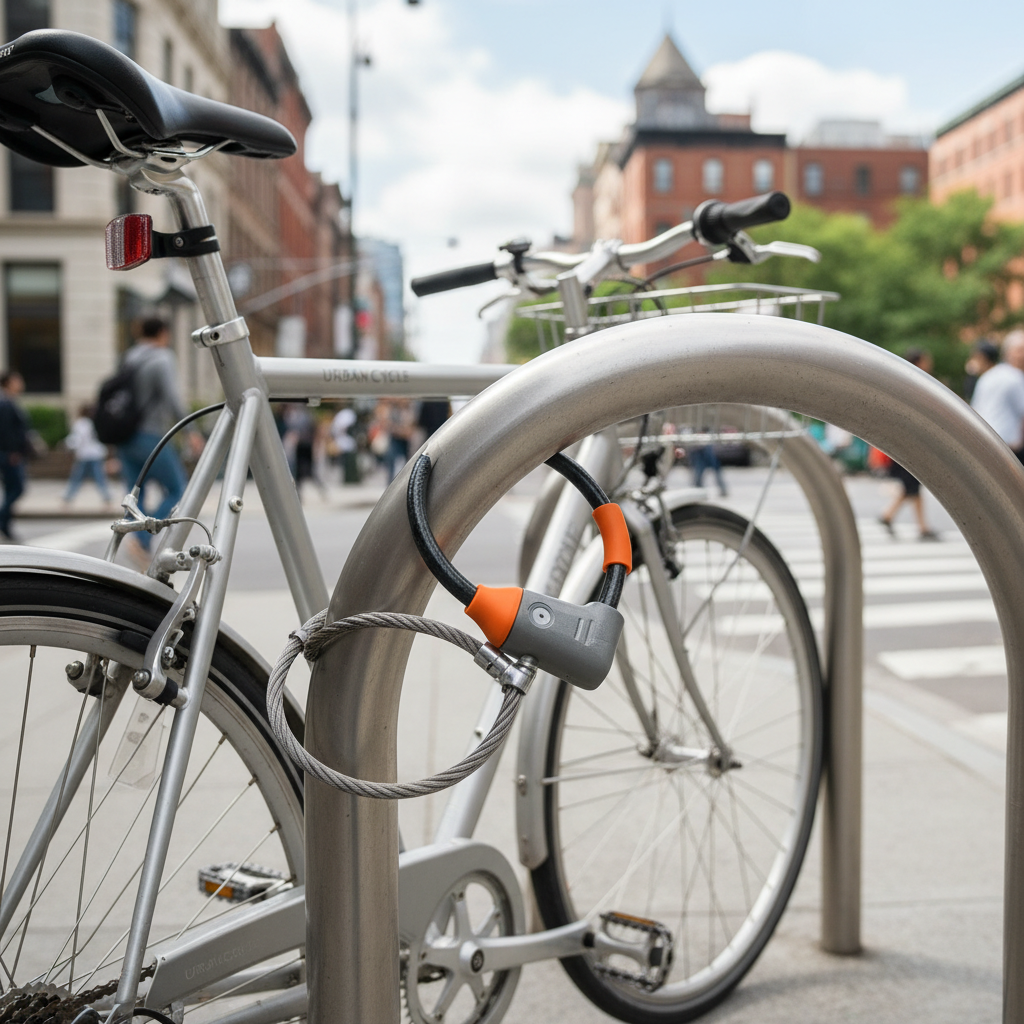
Below you’ll get a clear way to choose between U-locks, chains, and folding locks, a quick self-checklist, and practical locking steps that reduce risk in the real world. No hype, just what tends to matter.
Quick take: what “heavy duty” means in 2026
In bike-lock marketing, “heavy duty” can mean almost anything, so it helps to anchor on a few concrete signals. You’re looking for materials and designs that slow down common attacks, especially angle grinders and leverage tools.
- Material: hardened steel (often boron steel) in the shackle or chain links.
- Thickness: thicker shackles/links usually resist bolt cutters better, though grinders still cut most metals given time.
- Lock cylinder: a cylinder that resists picking and drilling, plus weather protection if you park outdoors.
- Independent ratings: not perfect, but useful for narrowing options.
According to Sold Secure and ART (Foundation ART), independent rating schemes help compare locks by attack resistance under test conditions. Treat these as a baseline, then match the lock type to your environment.
Choosing the right type: U-lock vs chain vs folding
If your goal is the best bike lock for security heavy duty, start with lock type, because the “strongest” model on paper might be inconvenient enough that you stop using it properly.
Heavy-duty U-lock (D-lock)
- Where it shines: city locking, short-to-medium durations, high theft areas.
- Why people like it: hard to defeat with leverage, compact, quick to use.
- Watch-outs: fit can be tricky on oversized racks, and you may need a secondary cable for wheels.
Heavy-duty chain lock
- Where it shines: odd-shaped anchors, long parking sessions, bikes that live outdoors.
- Why it works: flexible, can secure frame + both wheels more easily.
- Watch-outs: weight adds up fast, and cheap chains are a trap.
Folding lock (high-end models)
- Where it shines: commuters who want portability and quick wrap-around locking.
- Why it’s appealing: easier to mount on the bike than a big chain.
- Watch-outs: joints can be attack points, and top models can cost as much as a U-lock + cable combo.
For many riders, a strong U-lock plus a cable or secondary lock hits the best balance of security, speed, and carry comfort.
Security ratings and what they do (and don’t) tell you
Ratings are useful, but they’re not a magic shield. They mostly tell you how a lock performs against standardized attacks, not how motivated someone is at 2 a.m. with time and cover.
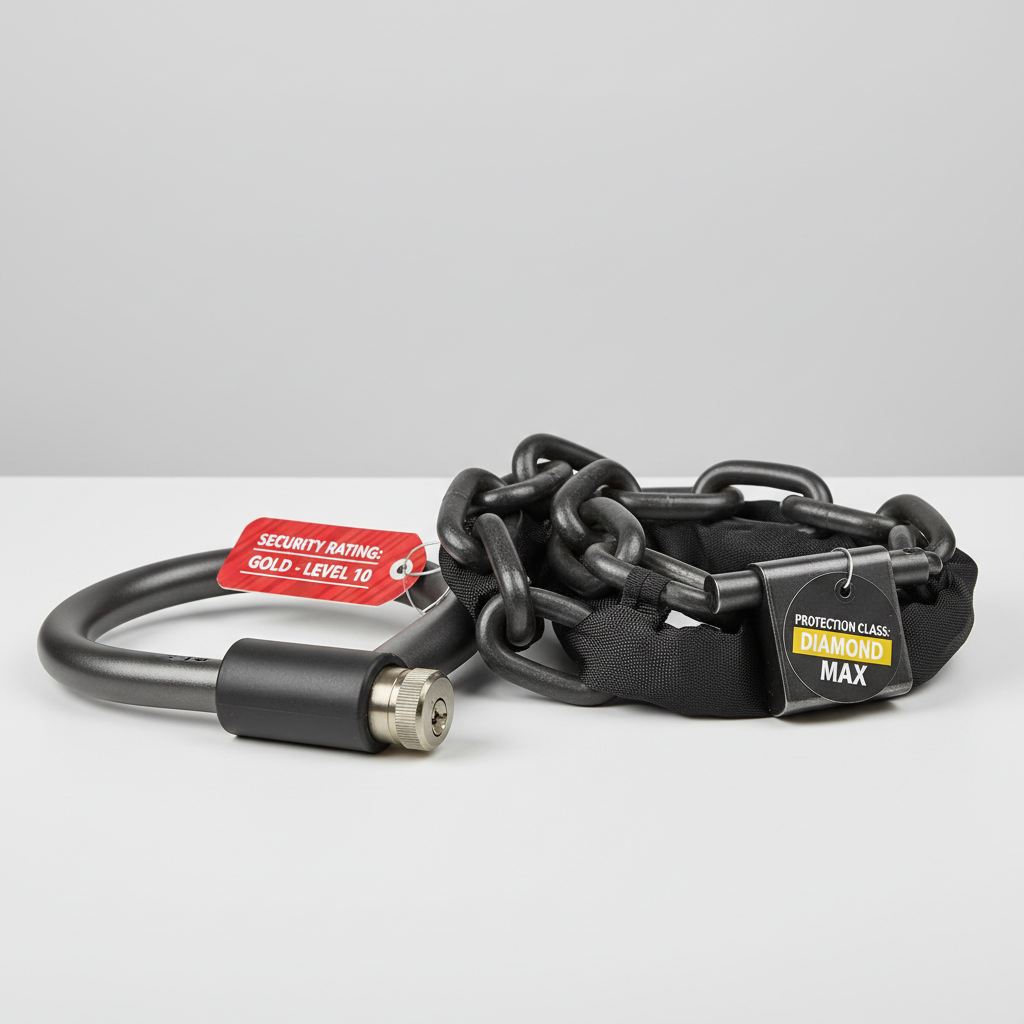
Here’s the practical way to use ratings:
- Filter out weak options: if it has no credible rating and the specs feel vague, move on.
- Match rating to risk: high-theft areas or overnight parking generally call for higher-rated locks.
- Don’t ignore usability: a “top-rated” chain that you leave at home because it’s heavy is not protecting anything.
According to National Highway Traffic Safety Administration (NHTSA), deterrence and layered security are common themes in theft prevention guidance. Bike locks follow the same logic: make the job loud, slow, and annoying.
Fast self-check: which security setup fits your situation?
Answer these quickly. Your pattern usually reveals what you need more than any product list.
- Where do you park most? Street racks, apartment garage, campus, inside an office, outside overnight.
- How long is it unattended? 10 minutes, 2 hours, 8 hours, overnight.
- What are you locking? $600 beater, $1,800 commuter, $5,000 e-bike.
- What gets stolen locally? Whole bikes, front wheels, saddles, batteries.
- Is the anchor solid? Thick rack bolted down, or something that can be lifted/unscrewed.
If you park outdoors for long stretches, especially overnight, prioritize a higher-end U-lock or chain and a second lock for wheels, then consider moving the “battle” indoors whenever you can.
Recommended setups (with a comparison table)
Instead of naming a single winner for every rider, these setups reflect what tends to work in the U.S. across common scenarios. If you’re hunting the best bike lock for security heavy duty, pick the row that matches your day-to-day.
| Scenario | Main Lock | Secondary | Why it works |
|---|---|---|---|
| Downtown errands (15–60 min) | Hardened-steel U-lock (high rating) | Thin cable or wheel lock | Fast to use, strong against leverage, adds wheel deterrence |
| Daily commute (2–8 hours) | U-lock sized to fit rack tightly | Second U-lock or folding lock | Two hardened locks raise time and tool requirements |
| Overnight outdoor parking | Heavy-duty chain + high-security padlock | U-lock on frame/rear wheel | Flexible around anchors, layered security slows repeated attacks |
| E-bike with removable battery | U-lock or chain (high rating) | Battery removal + wheel security | Reduces “grab-and-go” value, protects key components |
- Key point: two different lock types can be more effective than doubling the same thing, because it forces different tools and techniques.
- Fit matters: oversized U-locks leave room for leverage; aim for snug when possible.
How to lock your bike so the lock actually helps
Most “my lock failed” stories are really “my locking method had an opening.” Small details change outcomes.
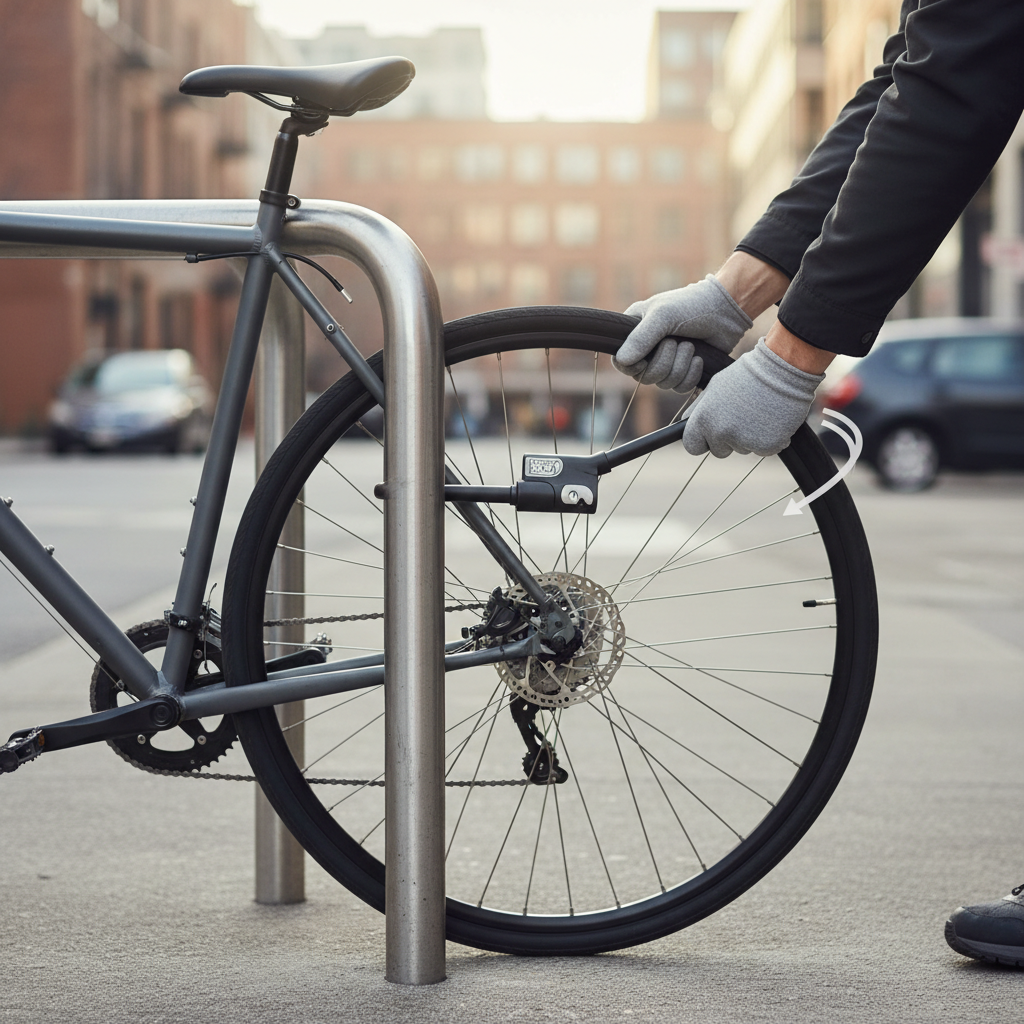
Do this (practical steps)
- Lock the frame first, ideally capturing the rear wheel too (the “Sheldon method” style) when rack shape allows.
- Keep the lock off the ground so it’s harder to brace cutters and smash attacks.
- Minimize empty space inside the shackle or chain loop, less room for pry tools.
- Choose smart anchors: thick racks, immovable poles, not small trees or flimsy signposts.
- Add a second point for the front wheel if it’s quick-release, a cable works for deterrence but a second hardened lock is stronger.
What about angle grinders?
Angle grinders changed the game, and many locks can be cut with enough time. Your goal becomes time + attention: lock in busy, well-lit places, reduce the time window, and layer locks so the thief has to commit longer. If your area sees frequent grinder theft, heavier setups and indoor storage matter more than obsessing over minor spec differences.
Common mistakes that quietly undo “heavy duty” security
- Locking only the front wheel: the rest of the bike walks away, and it happens a lot.
- Using weak anchors: a strong lock on a removable object is a false sense of safety.
- Leaving lots of space: makes leverage attacks easier, especially with long shackles.
- Relying on a thin cable as the main lock: fine as a supplement, risky as the primary barrier.
- Forgetting components: quick-release seatpost, fancy lights, and e-bike batteries are common targets.
One more that’s awkward to admit: consistently locking in the same quiet spot at the same time can make you predictable. Switching locations within a rack area sometimes helps, even if it feels minor.
When it’s worth getting professional help (or upgrading your whole plan)
If theft risk feels high enough that you’re constantly stressed, it’s usually a sign the locking plan needs a bigger change than “one more lock.” A local bike shop can suggest rack-friendly lock sizes, mounting options, and component security that fits your exact bike.
- Talk to a shop if you ride an e-bike, have unusual frame shapes, or need a lock that works with specific racks at work or school.
- Consider insurance if your bike value is high, since even the best bike lock for security heavy duty can be defeated in some situations.
- Ask property management about indoor storage upgrades if your building’s racks are flimsy or poorly lit.
According to National Insurance Crime Bureau (NICB), theft prevention is strongest when you combine physical deterrents with good documentation. Keeping your serial number and clear photos can help with reports and potential recovery.
Conclusion: what to buy and what to do next
If you want a dependable, heavy-duty setup in 2026, start with a high-quality U-lock or chain that matches your parking reality, then add a second layer for wheels or long-duration locks. The purchase matters, but the daily habit matters more.
Your next step is simple: pick one of the scenario setups above, check that your usual parking anchor is truly solid, and practice locking in a way that captures the frame and reduces empty space. That’s where security becomes real.