Isometric Exercise can be a surprisingly effective way to build strength when you can’t train heavy, when joints feel cranky, or when you need a low-equipment option that still feels “real.” It’s not magic, but it’s also not just rehab, a well-chosen hold can challenge muscle and nervous system hard.
The common frustration is that isometrics look too simple, you’re just “holding still,” so people assume they won’t transfer to real-world strength. In practice, isometric work often shines as a bridge, it builds tolerance, reinforces positions, and lets you train hard with less wear and tear.
This guide focuses on strength-focused isometrics, not vague “squeeze your abs” advice. You’ll learn when holds work best, how long to hold, which positions matter, and how to program them so you actually progress.
What is an isometric exercise (and why it works for strength)
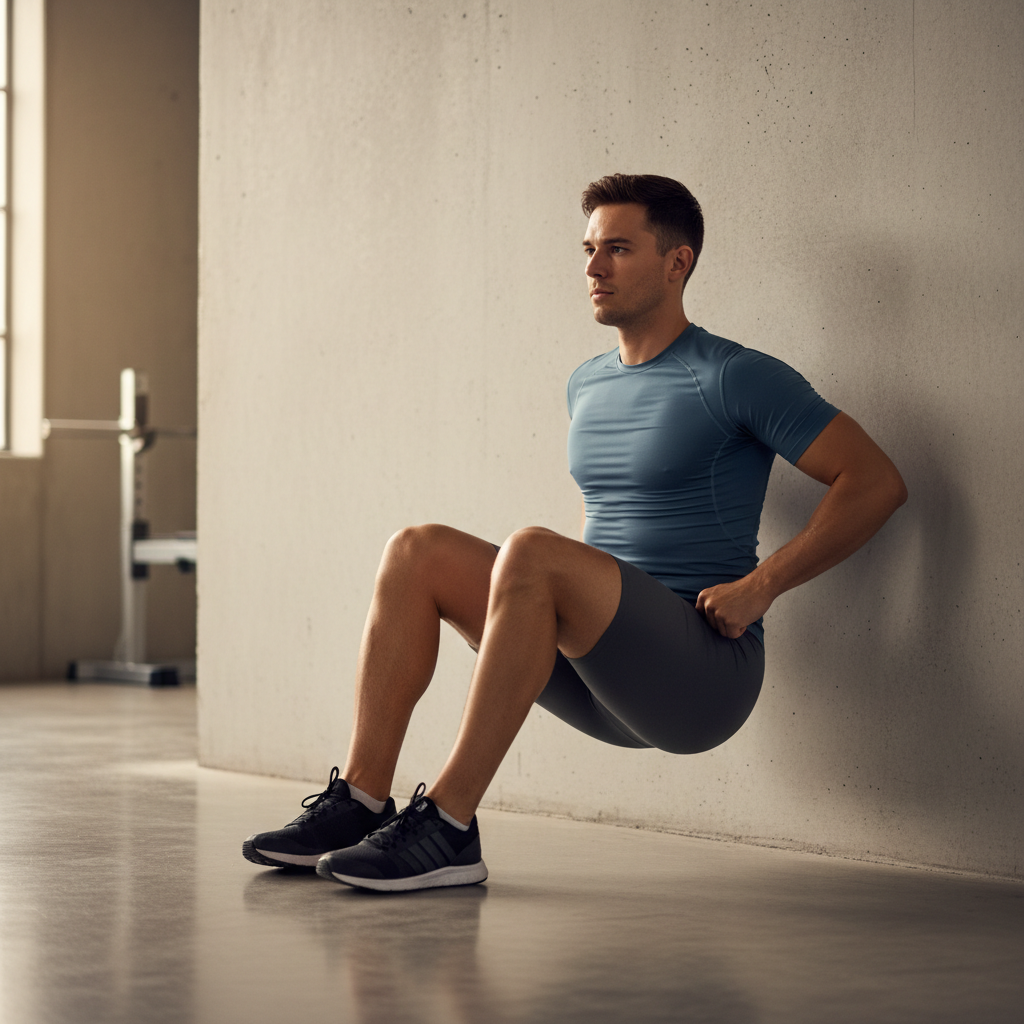
An isometric contraction means your muscle produces force while the joint angle stays essentially the same. Think wall sits, planks, paused split squats, or pushing hard into an immovable object.
Strength gains from isometrics are usually angle-specific, you tend to get strongest near the joint angle you train. That sounds like a limitation, but it’s also a feature, you can target sticky points like the bottom of a squat or the midpoint of a pull-up.
According to the American College of Sports Medicine (ACSM), resistance training can be performed with different muscle actions, including isometric actions, as part of a well-rounded strength program. That doesn’t mean you should only do holds, but it does validate them as “real” training when used appropriately.
Where isometric training fits best (real-world scenarios)
Isometrics tend to be most useful when you have a specific constraint, or when you want to reinforce a position you keep losing under load.
- Joint irritation or tendon sensitivity: Many people tolerate static holds better than repeated reps. If pain persists, consult a qualified healthcare professional.
- Limited equipment: No barbell, no problem. You can train hard with bodyweight and simple anchors.
- Plateaus at a sticking point: Pauses and holds can build confidence and force output in that exact range.
- Sport positions: Grappling, climbing, and field sports often demand bracing and position control under fatigue.
But reality check, if your only goal is maximal 1-rep strength in big barbell lifts, you’ll usually still want heavy dynamic training somewhere in the week. Isometrics are a tool, not a replacement for everything.
Quick self-check: are isometrics the right move for you?
If you’re not sure whether to prioritize isometric work, use this quick list and be honest.
- You can’t train hard with full reps right now without aggravating something.
- You feel unstable in a specific position, for example, bottom of a squat or top of a push-up.
- Your schedule is tight and you need training that ramps intensity quickly.
- You want a low-skill way to add volume without wrecking recovery.
If none of that hits, you can still use isometrics, but they may be “nice to have” rather than the main course.
Best isometric exercises for strength (by muscle group)
Pick holds that feel like a strength exercise, not a casual stretch. You want full-body tension, solid alignment, and a clear way to progress.

Lower body
- Wall sit: Great entry point, easy to standardize depth.
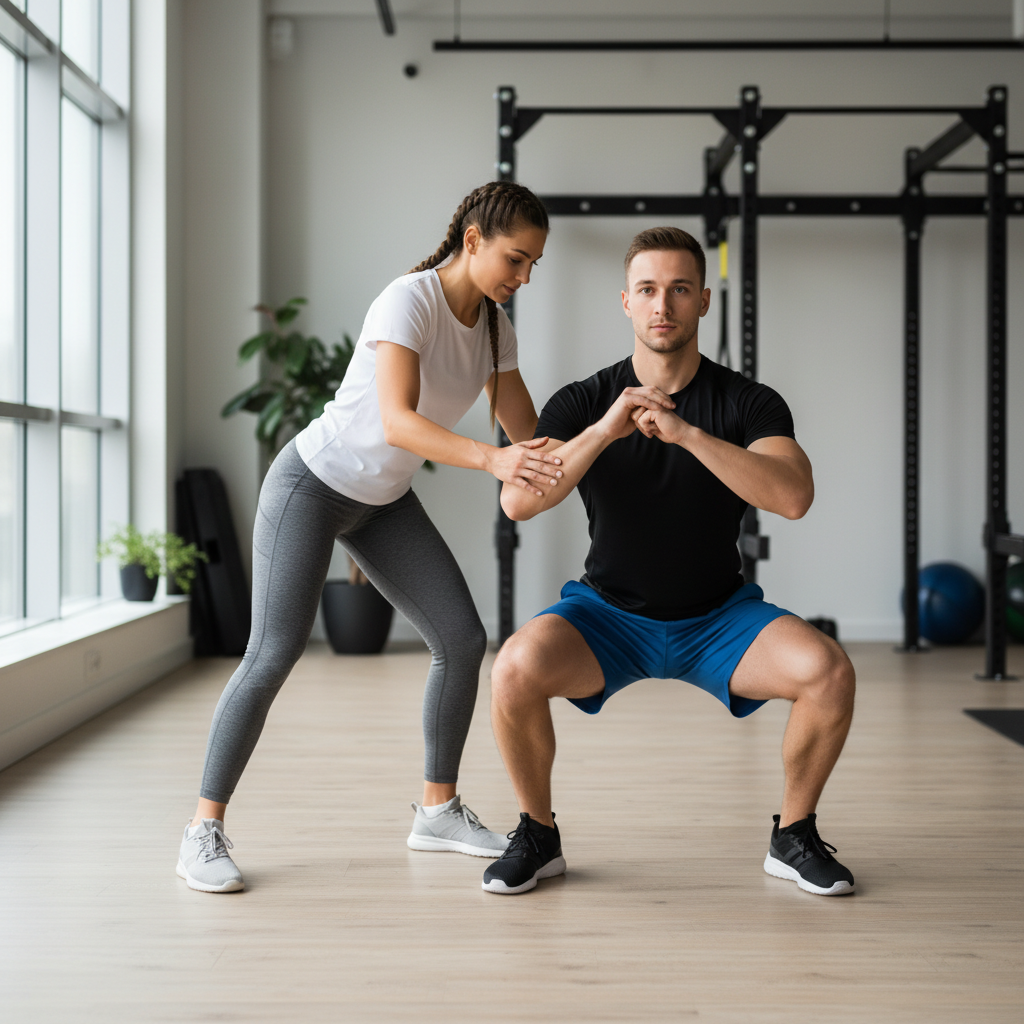
- Split squat hold (mid-range): Builds single-leg strength and hip stability.
- Paused squat (2–5 seconds): Not a pure isometric, but the pause is where the magic happens for sticking points.
- Glute bridge hold: Useful if you struggle to “find” glutes during dynamic work.
Upper body
- Push-up plank with hard lockout: Think “push the floor away,” not just hanging out.
- Overhead hold: Dumbbells or kettlebells, teaches shoulder stability and trunk bracing.
- Pull-up top hold or flexed-arm hang: Strong for lats, biceps, and scapular control.
Core and total-body bracing
- RKC plank: Shorter, harder plank with full-body tension.
- Side plank variations: Especially useful for hip and trunk stability.
- Farmer hold: Grip, traps, trunk, and “don’t fold” strength.
How long to hold, how hard to push, and how to progress
The biggest programming mistake is doing random long holds until you shake. For strength, you usually want high intent, meaning you create as much safe tension as you can while maintaining position.
Simple progression rules that actually work
- Pick a hold time range: 10–30 seconds fits most strength-focused holds.
- Rate effort: Aim around 7–9 out of 10 effort for working sets, you should finish with your form still recognizable.
- Progress one variable at a time: load, leverage, joint angle, or total sets.
- Use multiple angles when needed: Because strength is angle-specific, you can rotate two positions, for example, split squat at mid-range and near-bottom.
Programming table (quick reference)
| Goal | Hold time | Sets | Rest | Notes |
|---|---|---|---|---|
| Strength emphasis | 10–20 sec | 3–6 | 60–120 sec | High tension, crisp positions |
| Hypertrophy support | 20–40 sec | 2–5 | 45–90 sec | Combine with dynamic reps when possible |
| Joint tolerance / rehab-adjacent | 20–45 sec | 3–5 | 45–90 sec | Keep pain low, consider professional guidance |
A practical 3-day isometric strength plan (20–30 minutes)
This is a simple template you can run for 4–6 weeks. The goal is consistent practice and measurable progression, not annihilation.
Day A: Legs + core
- Wall sit: 4 x 20 sec
- Split squat hold: 3 x 15 sec each side
- RKC plank: 6 x 10–15 sec
Day B: Push + carry
- Hard push-up plank: 5 x 15–20 sec
- Overhead hold: 4 x 15 sec
- Farmer hold: 6 x 20 sec
Day C: Pull + shoulders + trunk
- Flexed-arm hang (or band row hold): 5 x 10–20 sec
- Side plank: 3 x 20 sec each side
- Suitcase hold (one side at a time): 4 x 20 sec each side
Key point: If you can add 5 seconds per set at the same form and effort, or add a small amount of load at the same hold time, you’re progressing. Keep a note in your phone, otherwise it turns into “vibes-based training.”
Common mistakes (and how to avoid wasting weeks)
- Holding with sloppy alignment: If your knees cave, ribs flare, or shoulders shrug, you’re practicing the problem. Reduce intensity and own the position.
- Going too long, too soon: Five-minute planks rarely build the strength most people want. Shorter holds with higher tension usually pay off more.
- Only training one joint angle: If your goal is general strength, rotate angles or pair isometrics with controlled reps.
- Confusing pain with effort: A hard contraction burns, sharp or escalating pain is different. When in doubt, back off and consider a professional assessment.
When to get professional help
If you feel numbness, tingling, sharp pain, or your symptoms worsen week to week, it’s smart to consult a licensed physical therapist, sports medicine clinician, or qualified coach. Isometric work often fits rehab and return-to-training plans, but it still needs the right dose and position for your body.
Also, if you have cardiovascular concerns or you’re managing blood pressure, talk with a clinician before pushing near-max holds, sustained high-tension contractions can increase cardiovascular demand for some people. According to the American Heart Association, strength training can be part of a healthy routine, but individual risk varies and medical guidance matters when conditions exist.
Conclusion: how to use isometrics without overthinking
Isometric exercise earns its place when you treat it like strength training, pick positions that matter, create real tension, and track progress. Keep holds relatively short, rotate angles when needed, and pair them with dynamic work if your body and schedule allow.
If you want a simple next step, choose two holds you can standardize, train them 2–3 times per week for a month, and write down times and loads. If your positions look better and numbers climb, you’re on the right track.
Key takeaways
- Angle matters: Isometrics build strength mostly near the trained position.
- Intent matters: High-tension, clean holds beat casual long-duration holds for strength.
- Progress matters: Add time, load, or a harder leverage gradually, and track it.
FAQ
Can isometric exercise build real strength without weights?
Yes, especially early on or when you push hard into a challenging position. Long-term, many people add external load or harder leverage to keep progressing.
How many days a week should I do isometrics?
Two to four days per week works for most schedules. If you’re pairing holds with regular lifting, 2–3 days is usually plenty.
Are isometrics better for joints than regular lifting?
They can be easier to tolerate because you control range and speed, but “better” depends on the issue. If pain shows up, it’s a sign to adjust angle, intensity, or get checked out.
Should I hold my breath during hard isometric holds?
Try not to. Many lifters accidentally do a strong breath-hold under effort, which can spike pressure. A steady exhale or controlled breathing tends to be safer for general training, and medical advice matters if you have risk factors.
What hold time is best for strength, 10 seconds or 60 seconds?
For strength emphasis, 10–30 seconds with high tension is a common sweet spot. Longer holds can build endurance, but they often stop feeling like “strength” work.
Do isometrics help with sticking points in lifts?
Often, yes. Paused reps and isometric holds near your weak range can build control and force output right where you miss. The closer the position is to your sticking point, the more relevant it tends to be.
Can I do isometrics every day?
Some low-intensity holds can fit daily practice, but hard isometrics still create fatigue. If performance drops or soreness lingers, reduce intensity or frequency.
If you’re trying to get stronger but full-range reps irritate a joint, or you want a more time-efficient plan, it may help to have a coach or clinician translate these isometric options into a weekly routine that matches your equipment, history, and goals.