Group Fitness is one of the easiest ways to stop overthinking workouts and start showing up with a plan, a coach, and other people moving beside you.
If you have ever bought a gym membership and then wandered around unsure what to do, group classes solve that problem fast, you walk in, follow the session, and leave knowing you got a complete workout.
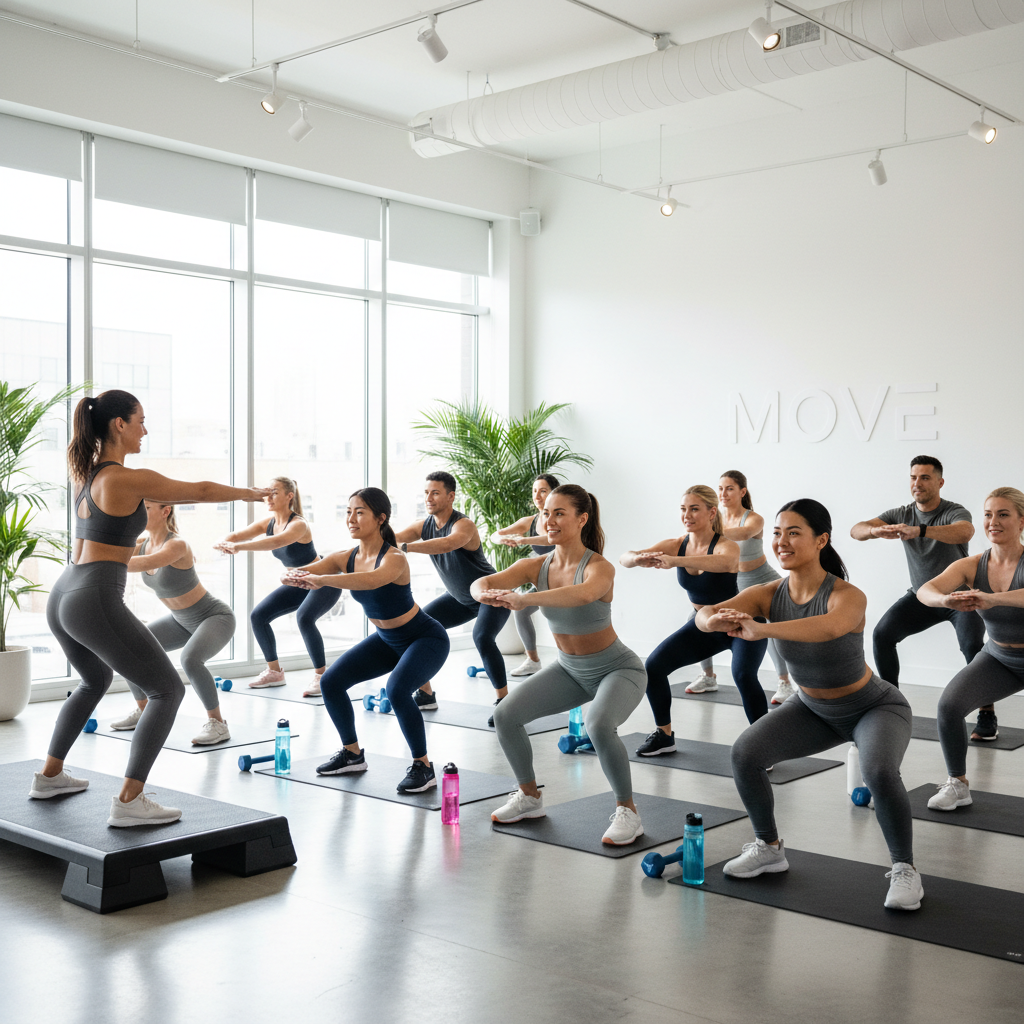
People also search for “group class benefits” because they want a realistic answer, not hype, will it help with consistency, confidence, strength, or stress, and what are the tradeoffs if you have injuries, anxiety, or a busy schedule. That is what this guide covers.
Why group fitness classes work (when they work)
The biggest benefit is simple, structure beats motivation. A good class removes decision fatigue, you do not have to design the workout, time the intervals, or wonder whether you are doing enough.
- Built-in coaching cues: you get form reminders in real time, which many people do not get when training alone.
- Social accountability: even light “see you next week” familiarity can nudge attendance.
- Effort matching: you tend to work a bit harder when others are working, without needing to max out.
- Variety without chaos: rotating formats reduce boredom while keeping a consistent routine.
According to the Centers for Disease Control and Prevention (CDC) physical activity guidance, consistent activity matters for health outcomes, and classes can be a practical way to build that weekly rhythm when self-directed plans stall.
The benefits you can actually feel in day-to-day life
Not every benefit shows up as “six-pack progress.” Many people stick with Group Fitness because it changes how they feel between workouts.
Consistency and momentum
Scheduling a class makes exercise an appointment, not a vague intention. If you struggle with all-or-nothing thinking, classes often create a “good enough” lane that keeps you moving.
Confidence and body awareness
Repeating a format helps you notice progress, your squat depth improves, you breathe better during intervals, you can hold a plank longer. Those small wins add up, and they feel tangible.
Stress relief and mood support
Movement helps many people decompress, and a class adds music, pacing, and a clean ending point. According to the American Psychological Association (APA), physical activity can support stress management, though your personal response varies and it is not a substitute for professional mental health care.

Better movement quality (often)
If the instructor is attentive and the class size is reasonable, you may build better technique than you would copying random videos. This is especially true for basics like bracing, hinging, and controlling tempo.
Picking the right class: match the format to your goal
A lot of disappointment comes from mismatching the class type to the outcome you want. Here is a quick comparison you can use before you commit.
| Class style | Best for | What to watch for |
|---|---|---|
| Strength-based (dumbbells, barbells, circuits) | Muscle, bone support, “stronger daily life” feel | Rushed form, weights that are too heavy too soon |
| HIIT / bootcamp | Time-efficient conditioning, sweat factor | Too much jumping, intensity that spikes every class |
| Indoor cycling | Cardio with lower joint impact | Seat setup and knee tracking, volume that is too high weekly |
| Yoga / Pilates | Mobility, control, core endurance, recovery days | Painful ranges, “push through” culture |
| Dance / cardio choreography | Fun, coordination, low-pressure movement | Frustration if you expect instant mastery |
One more honest note, if your main goal is maximal strength or targeted physique changes, classes can help, but many people eventually add some individualized training so progressive overload and recovery stay on track.
Quick self-check: is Group Fitness a good fit for you right now?
Use this as a practical filter. You do not need every box checked, but a pattern is telling.
- You will probably like classes if: you want a plan handed to you, you do better with a schedule, you enjoy some social energy, or you get bored training alone.
- You might need extra caution if: you have persistent pain, you are postpartum, you have uncontrolled blood pressure, dizziness with exertion, or prior injuries that flare with fast transitions.
- You may prefer solo training if: you need longer rest periods, you dislike crowds, or your job already drains your social battery.
According to the American College of Sports Medicine (ACSM), exercise should be appropriate to the individual, so modifications and smart progression matter more than the “hardest” option in the room.
How to start without getting sore, hurt, or discouraged
This is where people tend to mess up, they go from zero to five classes a week, then crash. A smoother ramp usually feels boring in week one and smart in week three.
A simple first-month plan
- Week 1: 1–2 classes, choose beginner-friendly formats, keep intensity at “I can talk in short sentences.”
- Week 2: 2 classes, repeat one class type so your body learns the pattern.
- Week 3: 2–3 classes, add one different style if recovery feels good.
- Week 4: hold steady, do not add volume just because you feel motivated.
What to tell the instructor before class
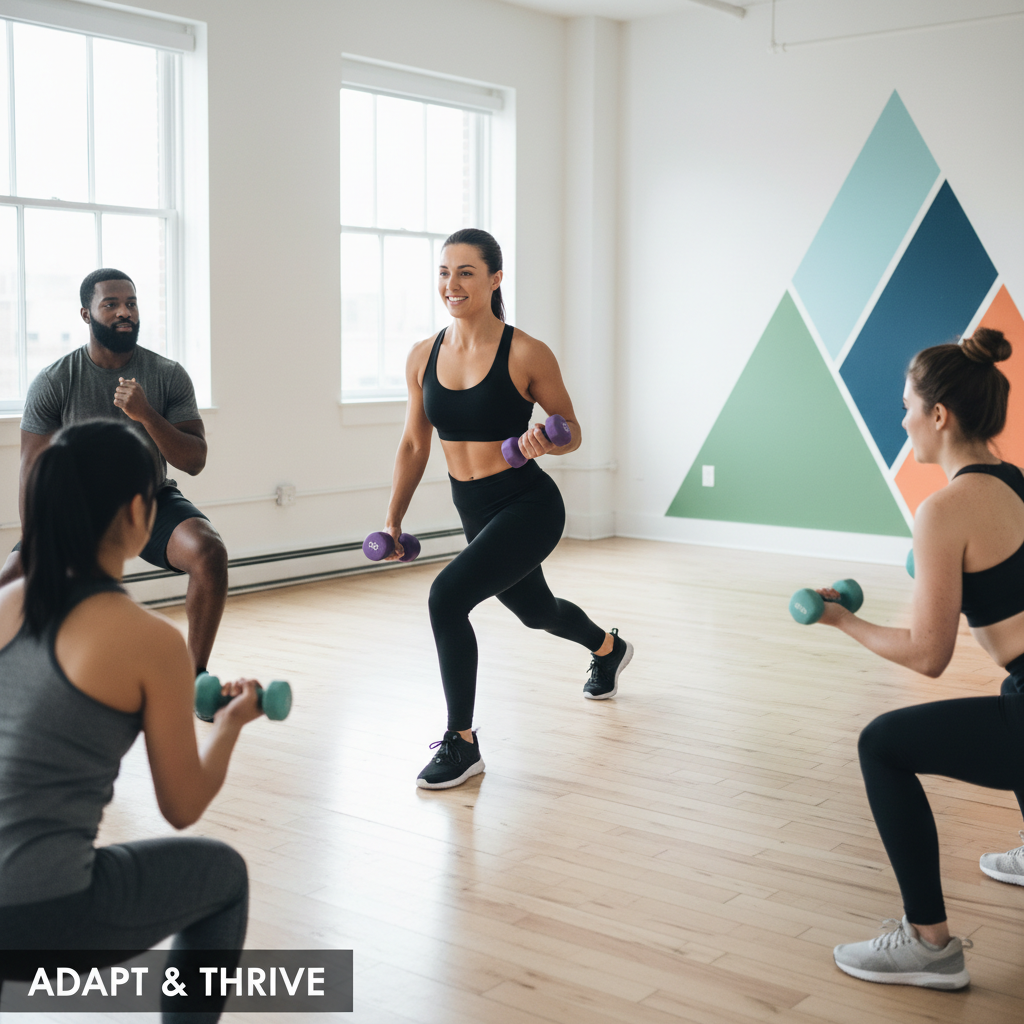
Keep it short and specific, “I am new,” “my left knee gets cranky with jumping,” “I am coming back after a long break.” A good coach hears that and offers options without putting you on the spot.
Key points that prevent most problems
- Pick weights you can control, you should be able to keep form even when tired.
- Use the lowest-impact version until your joints and tendons catch up.
- Leave one rep in the tank on strength moves, especially early on.
- Recover on purpose, sleep, hydration, and protein intake matter, and so does a rest day.
Common misconceptions (and what to do instead)
Some beliefs make people quit too early, or push too hard.
- “If I’m not drenched, it didn’t count.” Sweat is not a score, track attendance and progress markers like improved form or added resistance.
- “I have to keep up with the fittest person.” Match effort to your current capacity, not someone else’s history.
- “More classes means faster results.” Many plateaus come from too much intensity and not enough recovery, especially with HIIT-heavy schedules.
- “Classes are unsafe.” Risk depends on coaching quality, crowding, and your choices, scaling is not “cheating,” it is training.
When to get professional guidance
Group classes can be a great entry point, but some situations call for extra eyes. If you have sharp or worsening pain, numbness, chest pain, fainting, or symptoms that feel unusual, stop and seek medical care.
If you are managing a chronic condition, returning postpartum, or rehabbing an injury, a physical therapist, a qualified medical professional, or a certified trainer can help you pick safe modifications and a realistic weekly plan. Many gyms also offer an intro session, which can make Group Fitness feel far less intimidating.
Conclusion: the “best” class is the one you will repeat
The real benefits show up when your schedule and your body can tolerate the plan, not when you go hardest once. Group Fitness tends to work best when you choose a format you genuinely like, start with manageable frequency, and treat modifications as part of the process.
Your next move: pick one class to try this week, then repeat that same class once more next week so you can judge fit based on comfort, coaching, and recovery, not first-day nerves.
FAQ
Is Group Fitness good for beginners who feel self-conscious?
Often yes, especially in beginner-labeled sessions where instructors expect questions and offer scaled options. If crowds spike anxiety, try smaller classes or off-peak time slots.
How many group fitness classes per week is reasonable?
For many people, 2–4 is sustainable, with at least one easier day. If most sessions are high-intensity, you may need fewer classes or more recovery days.
Can I build muscle with group strength classes?
You can, particularly if the program progresses over time and you choose challenging but controlled weights. If classes change randomly every day, muscle gain may be slower than with a structured strength plan.
What should I eat before a class?
Many do well with a small carb-focused snack 30–90 minutes prior, plus water. If you have medical nutrition needs, it is worth checking with a qualified professional.
Are HIIT group classes safe for everyone?
HIIT can be effective but not universally appropriate, especially for people new to exercise, dealing with injuries, or managing certain health conditions. A lower-impact interval class or a moderate steady session may be a better starting point.
What if the instructor never corrects form?
That can be a sign the class is too large or the coaching style is more “follow along” than “teach.” You can ask for a quick check after class, or consider studios with more hands-on instruction.
How do I avoid burnout in a group fitness routine?
Mix intensities, keep at least one recovery-focused day, and do not treat every class like a test. If sleep and mood drop, it is usually a cue to reduce intensity or frequency for a week.
If you are trying to make exercise stick but keep falling off when you train alone, a well-run class can be the most “no-drama” way to build routine, and if you want it even simpler, look for studios that offer an intro consult so you can choose the right level and modifications from day one.