Active Lifestyle habits matter most when they’re repeatable on busy, imperfect weeks, not just on your “motivated” days. If you want long-term health, the real problem usually isn’t knowing what to do, it’s making activity fit your schedule, energy, and body without burning out.
This guide focuses on practical choices: how much movement is “enough,” what kinds of activity age well, and how to build a routine that survives travel, deadlines, family obligations, or flare-ups. You’ll also get a quick self-check, a simple weekly plan, and a few guardrails so you don’t waste effort on the wrong things.

One quick note before we get tactical: if you have chest pain, dizziness, recent surgery, uncontrolled blood pressure, or a condition that limits exercise, activity choices may need a clinician’s input. Most people can still build momentum, but the “how” might look different.
What “active” really means for long-term health
An active routine isn’t only gym time. It’s a mix of structured exercise and daily movement that keeps your heart, muscles, joints, and metabolism working without feeling like a second job.
According to the Centers for Disease Control and Prevention (CDC), adults typically benefit from a combination of aerobic activity and muscle-strengthening activity across the week. The exact amount and intensity can vary, but the bigger idea is consistency plus progression over time.
- Aerobic: walking, cycling, swimming, dancing, hiking
- Strength: weights, resistance bands, bodyweight exercises
- Mobility/balance: stretching, yoga, tai chi, targeted joint work
- NEAT (non-exercise activity): steps, stairs, chores, active commuting
If your plan only works when everything goes right, it’s not a plan, it’s a fantasy. Long-term health comes from an approach you can keep doing at 70–80% effort for years.
Why an Active Lifestyle gets hard (and what to do about it)
Most people don’t quit because movement “doesn’t work.” They quit because friction stacks up. These are common blockers that show up in real life.
Common friction points
- All-or-nothing thinking: missing one workout turns into “I’m off track.”
- Pain or nagging injuries: you avoid movement because you’re unsure what’s safe.
- Time compression: work and family eat the hours you planned to exercise.
- Intensity mismatch: too hard too soon, then soreness and fatigue derail the week.
- No cues: you rely on motivation instead of a repeatable trigger.
In practice, solving this looks boring: smaller sessions, clear defaults, and a routine that still counts when it’s short. Your future self will appreciate the “minimum viable workout” more than the perfect plan you never start.
A quick self-check: what kind of “active” do you need right now?
Before changing everything, diagnose the bottleneck. This takes two minutes and saves weeks of random effort.
- If you get winded easily: prioritize easy-to-moderate cardio volume and gradual increases.
- If you feel weak or stiff: put strength training and mobility at the center.
- If you sit most of the day: focus on daily steps and short movement breaks.
- If you start strong then quit: lower intensity, raise consistency, add simple tracking.
- If pain is the issue: choose low-impact options, consider professional guidance.
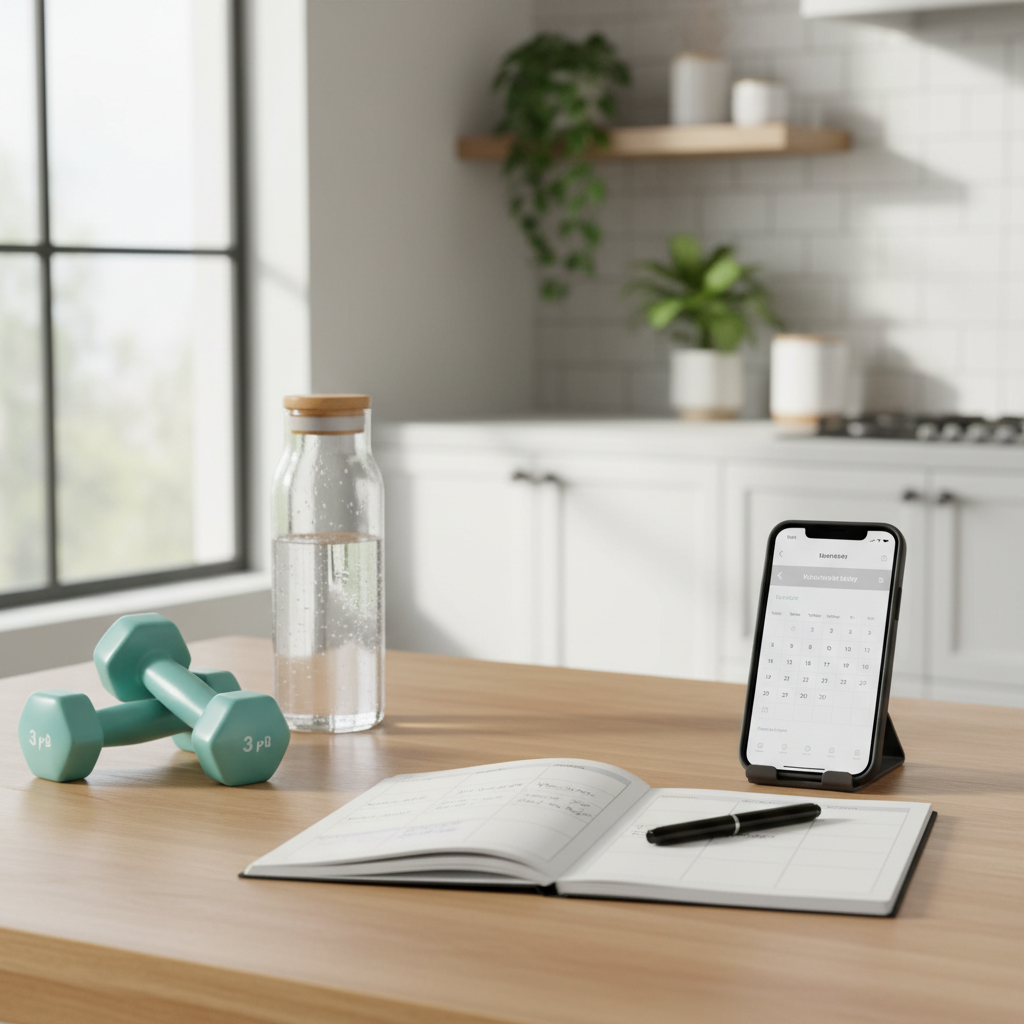
Key point: your next 4 weeks should match your current capacity, not your ideal identity. You can absolutely build up, but you start where you are.
A realistic weekly framework (with a table you can copy)
For many adults, a sustainable routine uses three anchors: 2–3 strength sessions, 2–4 cardio sessions, and daily light movement. That combo tends to support energy, weight management, and resilience, while also being flexible.
Here’s a sample week you can adapt. Think of it as “default settings,” not a strict program.
| Day | Main session (20–45 min) | Daily movement goal |
|---|---|---|
| Mon | Strength (full body) | 7–10k steps or 3 x 10-min walks |
| Tue | Cardio (easy/moderate) | Movement break every 60–90 min |
| Wed | Mobility + core (short) | Stairs, errands on foot when possible |
| Thu | Strength (full body) | 7–10k steps or active commute |
| Fri | Cardio (intervals or brisk walk) | Light stretching 5–10 min |
| Sat | “Fun active” (sport, hike, bike) | Keep it social if you can |
| Sun | Rest or gentle walk | Prep next week’s default plan |
If you only have three days, keep two strength sessions and one cardio session, then protect daily steps. If you have five days, add easy cardio rather than stacking more intense workouts.
How to make it stick: practical habit tactics that work on messy weeks
Long-term consistency usually comes from environment and planning more than willpower. A few tactics that tend to help:
- Set a “floor” and a “ceiling”: floor = 10 minutes, ceiling = 45 minutes. Both count.
- Use a trigger: right after coffee, after dropping kids off, right before shower.
- Keep gear visible: shoes by the door, resistance band near your desk.
- Track the simplest thing: sessions completed or daily steps, not 12 metrics.
- Plan for low-energy days: gentle walk, mobility, or an easy bike ride.
According to the American Heart Association, breaking activity into shorter bouts can still contribute to overall heart health. That’s helpful when your calendar looks like a game of Tetris.
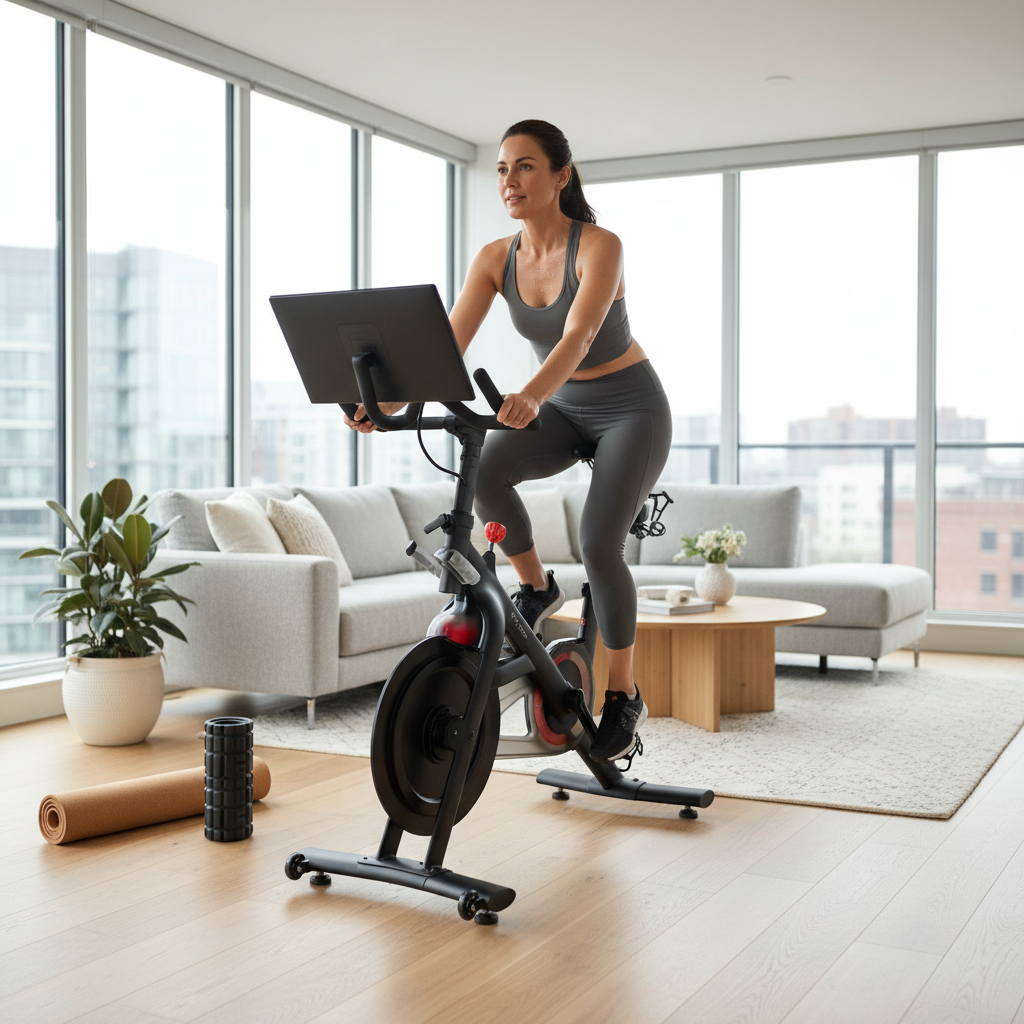
Quick reality check: if you’re consistently too tired to move, look at sleep, stress, and fueling. Exercise can improve energy, but it can also expose that you’re running on empty.
Common mistakes (the ones that quietly stall progress)
These missteps are easy to make because they feel productive in the moment.
- Only doing cardio: great for endurance, but strength supports joints, bone health, and daily function.
- Going hard every session: high intensity every time often leads to soreness, nagging pain, or quitting.
- Ignoring recovery: sleep, protein, hydration, and rest days affect performance and adherence.
- Chasing novelty: switching programs weekly makes it hard to progressively improve.
- Comparing your “start” to someone else’s “middle”: it distorts expectations and pacing.
Many people see faster progress when they repeat a simple routine for 6–8 weeks, add small increments, and treat mobility work as part of training rather than an optional add-on.
When to get professional help (and what to ask for)
Some situations deserve extra support. It’s not about being “bad at fitness,” it’s about reducing risk and finding the right starting point.
- Persistent pain (especially sharp, worsening, or nerve symptoms): consider a physical therapist or qualified clinician.
- Chronic conditions (heart disease, diabetes, arthritis, pregnancy, etc.): a clinician can help set safe intensity and progression.
- Confusion about form: a certified trainer can build a short, repeatable plan and teach technique.
- No progress for months: a coach can audit volume, intensity, recovery, and nutrition habits.
If you do seek help, ask for a plan that matches your schedule and includes a fallback option for busy days. A program that requires perfect weeks is usually the first thing to break.
Key takeaways and a simple next step
An Active Lifestyle works best when it’s built around repeatable defaults: a couple strength sessions, a couple cardio sessions, and daily movement you don’t have to overthink. Keep intensity reasonable, progress slowly, and treat consistency as the real win.
If you want a clean starting action, pick two “anchor” workout days for the next two weeks, then add a 10–20 minute walk on the non-workout days. Put it on your calendar, and make the “floor” so easy you can’t talk yourself out of it.
FAQ
How do I start an Active Lifestyle if I’m completely out of shape?
Start with walking and short strength sessions using bodyweight or light resistance, then add time gradually. If you feel unusual symptoms or have medical concerns, it’s smart to consult a healthcare professional before increasing intensity.
Is walking enough for long-term health?
Walking helps a lot, especially for cardio fitness and daily movement. Many people do even better when they add basic strength work a couple times per week, since muscle and bone support everyday function as you age.
How many days a week should I work out?
For most busy adults, 3–5 days works well, but the “right” number depends on recovery, schedule, and current fitness. Two strength days plus one cardio day is a solid minimum structure that still moves the needle.
What if I have knee or back pain when I exercise?
Choose low-impact options, reduce range of motion, and prioritize form. Pain that persists, worsens, or includes numbness or weakness deserves evaluation by a qualified clinician or physical therapist.
Do I need a gym to maintain an Active Lifestyle?
No. You can cover the basics with walking, stairs, resistance bands, and a few dumbbells. The gym can make progression easier, but it isn’t required for consistency.
How do I stay active when I’m too busy?
Use shorter sessions, stack movement onto routines you already have, and keep a “10-minute fallback” workout ready. The goal is to protect the habit during busy seasons, then build again when time opens up.
Should I do cardio or strength first?
It depends on your priority. If strength and muscle are your focus, lift first; if endurance is your focus, do cardio first. Many people separate them by time of day or alternate days to keep quality high.
If you’re trying to build an Active Lifestyle but keep getting stuck on planning, consistency, or what’s safe for your body, a short personalized routine and a simple progression path can save a lot of trial and error, especially when your schedule changes week to week.