Chalk for Gym use usually comes down to one thing: your hands start slipping right when the set gets hard, and the bar feels like it wants to roll away. If you train with sweaty palms, higher reps, heavy pulls, or anything on a slick coating, chalk can be the small change that makes the lift feel “locked in” instead of sketchy.
Grip is a limiter in more places than people admit. When your grip fails early, your back, legs, and conditioning never get the full stimulus you came for, and you leave the session frustrated because it feels like you had more strength than the bar let you show.
This guide breaks down what gym chalk actually does, how to choose between block, loose, and liquid options, and how to use it without turning your gym bag into a white-dust crime scene. I’ll also call out the common mistakes that make chalk feel “useless” for some lifters.
Why chalk improves lifting grip (and when it won’t)
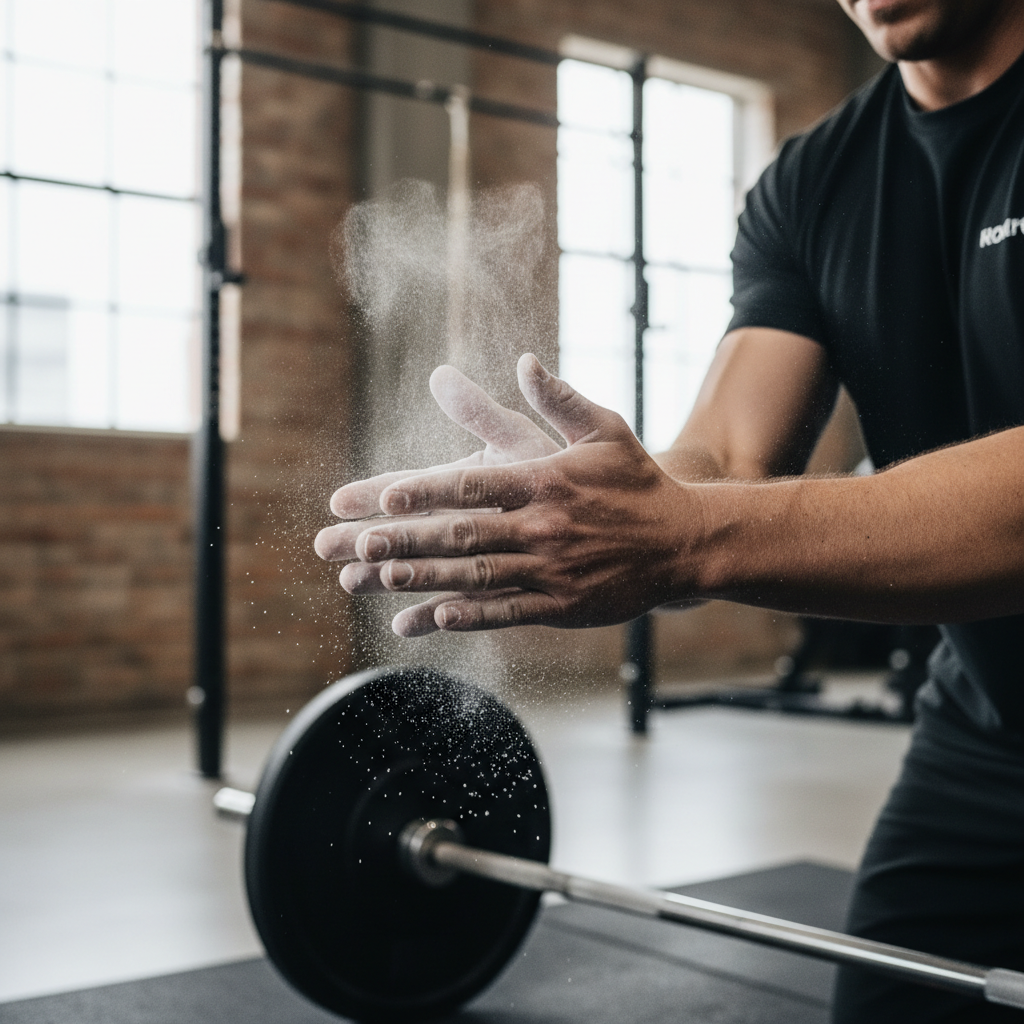
Gym chalk is usually magnesium carbonate. In plain English, it helps by absorbing moisture and adding a bit of dry friction between skin and the bar. That matters most when sweat, humidity, or a glossy bar finish makes your hands slide.
According to OSHA guidance on walking-working surfaces, reducing slip risk often starts with controlling contaminants and moisture. That same idea applies at the micro level on your hands: less moisture, more traction.
But chalk does not fix everything. If the bar is covered in oil, lotion, or heavy residue, chalk can paste up and feel worse. If your hands tear because your calluses are thick and sharp, chalk might make the tear happen faster because the grip “bites” harder.
- Works best for: deadlifts, pull-ups, kettlebell swings, barbell rows, Olympic lifts, farmer carries.
- Less impact for: machines with rubber grips, very knurled power bars (still helps, just smaller change), lifting with straps.
- Not a solution for: poor thumb position on hook grip, worn-out knurling, or bars coated with slick cleaners.
What causes grip slip in real gym sessions
Most “my grip is weak” situations are really a mix of small issues stacking together. Chalk helps, but it helps most when you also remove the actual cause.
- Sweat and humidity: common in summer, crowded gyms, or high-rep conditioning blocks.
- Bar surface issues: smooth bars, cerakote that feels slick to you, or a bar that gets wiped with oily sprays.
- Skin problems: soft hands, peeling calluses, or torn skin from aggressive kipping or high-volume pulling.
- Technique leakage: “open” hand on deadlifts, poor thumb wrap, or letting the bar sit too deep in the palm.
- Fatigue: grip is small-muscle endurance, it drops fast after long sets and long workouts.
Choosing the right chalk for gym: block vs loose vs liquid
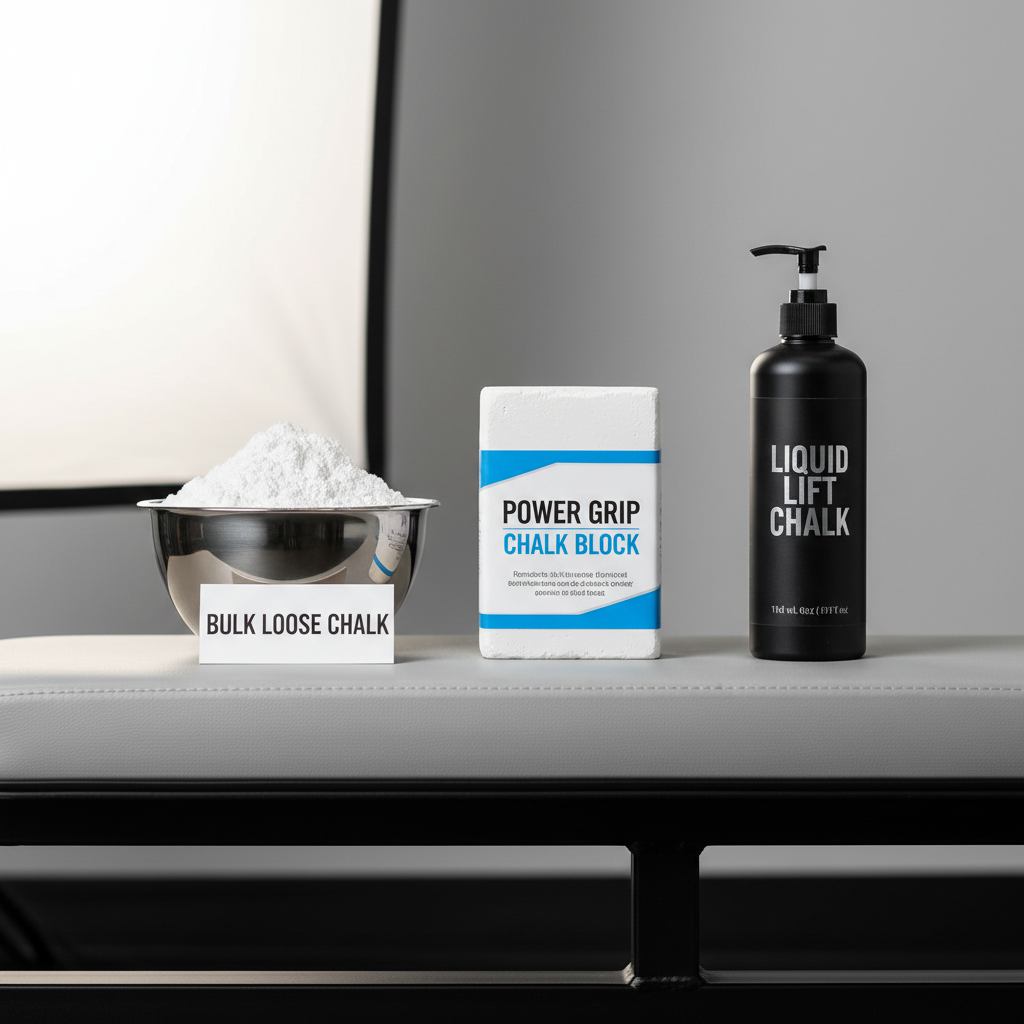
If your gym allows chalk, the “best” type depends on how you train and how strict your facility is about mess. Here’s the practical difference most people feel within the first week.
| Type | Feel on the bar | Mess level | Best for | Watch-outs |
|---|---|---|---|---|
| Block chalk | Very grippy, easy to layer | Medium | Barbell work, heavy singles, home gyms | Can crumble in the bag, needs a container |
| Loose chalk | Fast coverage, strong grip | High | Chalk bowls, climbing-style application | Most likely to get banned in commercial gyms |
| Liquid chalk | More “dry tack,” lasts longer per use | Low | Commercial gyms, shared spaces, travel | Needs drying time, some formulas feel sticky |
If you’re unsure, liquid chalk is often the least controversial option in a busy gym, while block chalk is the most flexible if you can keep it contained.
Quick self-check: do you actually need chalk, straps, or both?
This is the decision point that saves people time. If grip is the limiter, chalk can make a big difference. If grip is not the limiter, chalk becomes another item in your bag that you forget to use.
- You likely benefit from chalk if your hands feel wet, the bar rotates, or pull-ups fail due to slipping before your back gives out.
- You may need straps if you do high-volume deadlifts or RDLs where grip fatigue blocks hamstrings and back work, even after chalk.
- You may need a technique tweak if the bar sits deep in your palm on deadlifts, or your hook grip hurts because the thumb is positioned poorly.
- You may need skin care if you get frequent tears, especially right after adding chalk and “finally gripping hard.”
Key takeaway: Chalk for Gym setups helps traction, straps help bypass grip endurance, and neither replaces good bar placement in the hand.
How to use gym chalk (simple steps that stay clean)
Most chalk problems come from over-application. You want a thin, even layer where the bar contacts the skin, not a fluffy coating that turns into dust.
Block or loose chalk application
- Start with dry hands, wipe sweat with a towel.
- Rub a light layer across the palm and fingers, then focus on the base of the fingers where the bar sits.
- Brush off excess by rubbing hands together over your chalk container, not over the floor.
- Reapply only when grip starts to fade, not every set out of habit.
Liquid chalk application
- Use a pea-to-nickel sized amount per hand, spread it thin.
- Wait for it to dry fully before you touch the bar, usually 15–30 seconds depending on formula and airflow.
- For long sessions, top up with a small amount instead of stacking thick layers.
If your gym has rules, follow them. A lot of “no chalk” policies are really “no mess” policies, and being the person who wipes the bar after sets makes the conversation easier.
Mistakes that make chalk feel ineffective (or get you kicked out)
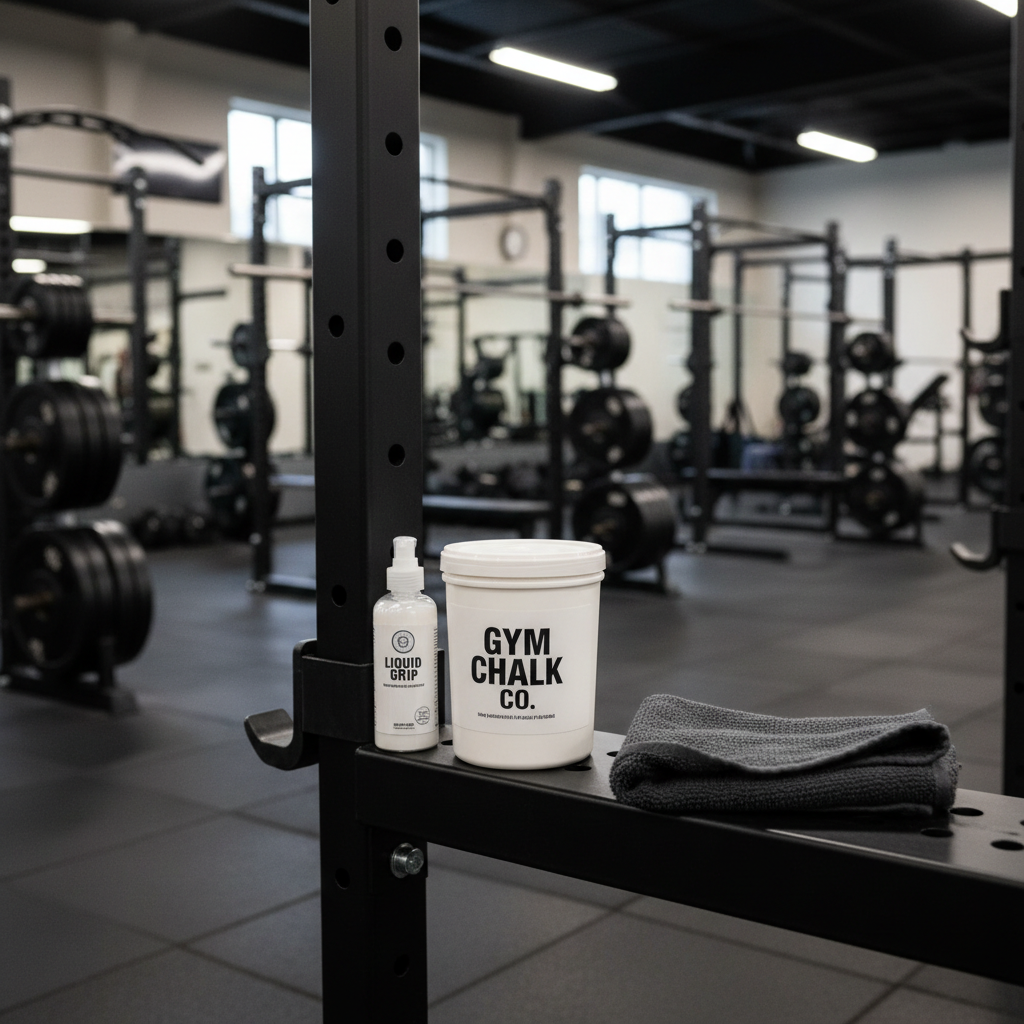
I see a few patterns: people use too much, put it in the wrong place, or chalk up while their hands are still sweaty, which turns it into paste.
- Chalking wet hands: wipe first, then apply. Moisture under chalk undermines the whole point.
- Over-chalking: extra chalk falls onto the floor, then the gym blames chalk instead of the person.
- Ignoring bar cleanliness: if the bar feels oily, a quick wipe can matter as much as chalk.
- Wrong grip position: on deadlifts, keep the bar closer to the fingers than the center of the palm to reduce roll.
- Masking pain: chalk improves traction, it can also increase skin stress, manage calluses.
According to CDC guidance on indoor air quality, limiting dust and improving ventilation helps reduce irritants. In gyms, keeping chalk dust down is part courtesy, part comfort, especially for people sensitive to airborne particles.
When to get help (skin issues, pain, and gym policy)
If chalk use leads to frequent skin tears, bleeding, or persistent hand pain, it’s smart to pause and figure out why. Many lifters benefit from basic callus maintenance, but if you have diabetes, circulation issues, eczema, or slow-healing wounds, a clinician or dermatologist can give safer guidance.
If your gym bans chalk, don’t try to “sneak” loose chalk and hope nobody notices. Ask what’s allowed, many places accept liquid chalk, and some have a designated area. If nothing is allowed, a towel routine, better bar cleaning, and targeted grip training become your main tools.
Practical conclusion: the simplest way to get better grip this week
Chalk for Gym training works when you treat it like a small tool, not a magic trick. Pick a chalk type your facility tolerates, apply a thin layer to dry hands, keep the bar clean, and watch whether your working sets stop failing due to slip.
Two actions worth doing next session: bring a small towel to dry hands between sets, and test liquid chalk or a block with a container, then note which lifts actually improve.
FAQ
Is chalk for gym use allowed in most commercial gyms?
It varies a lot by chain and even by location. Many gyms restrict loose chalk because of cleanup, but may allow liquid chalk since it leaves less residue. Asking the front desk saves you the awkward mid-session correction.
Does liquid chalk work as well as block chalk for heavy deadlifts?
For many people, yes, especially if you let it dry fully and apply a thin, even coat. Block chalk can feel more adjustable set to set, but liquid options often last longer on the hands.
Can chalk replace lifting straps?
Not really, they solve different problems. Chalk improves friction so you can hold the bar better, straps reduce grip demand so your posterior chain can keep working after grip fatigue hits.
Why does chalk sometimes make my hands tear more easily?
Better traction increases shear force on skin. If calluses are thick or have sharp edges, they catch and rip. Light callus filing and moisturizing off-training days often helps, but go cautiously if your skin cracks easily.
How much chalk should I use per set?
Less than you think: a light coating where the bar contacts the fingers and upper palm. If chalk falls in piles, you’re past the useful amount and into the “cleanup problem” zone.
What if the bar still slips even with chalk?
Check for sweat under the chalk, an oily bar, or grip position issues. If everything looks right and you still lose the bar, it may be a grip strength and endurance gap, structured holds and carries can help.
Is chalk safe to breathe?
Most people tolerate it fine, but any fine dust can irritate airways in some cases. If you have asthma or respiratory sensitivity, consider liquid chalk and avoid chalk clouds, and consult a medical professional if symptoms show up.
If you’re trying to keep your setup clean while still getting the grip benefit, a small sealed container plus liquid chalk is often the easiest “no drama” combo, and it fits into most gym policies without turning every session into a cleanup project.