Best bike cleaner spray for dirt usually comes down to one thing: can it lift gritty mud and road film without stripping lubrication, staining finishes, or pushing grime deeper into your drivetrain.
If you ride in the U.S., chances are you deal with a rotating menu of problems, spring mud, summer dust, fall leaf sludge, winter road salt. A “bike cleaner” that feels fine on a quick wipe can be disappointing once you hit caked dirt around the cassette, chainrings, and pivots.
This guide focuses on how to choose a spray that matches your riding style, what ingredients and features matter in real use, and a simple routine that keeps the bike clean without creating new issues like squeaky chains or faded decals.
What a good dirt-cutting bike cleaner spray actually does
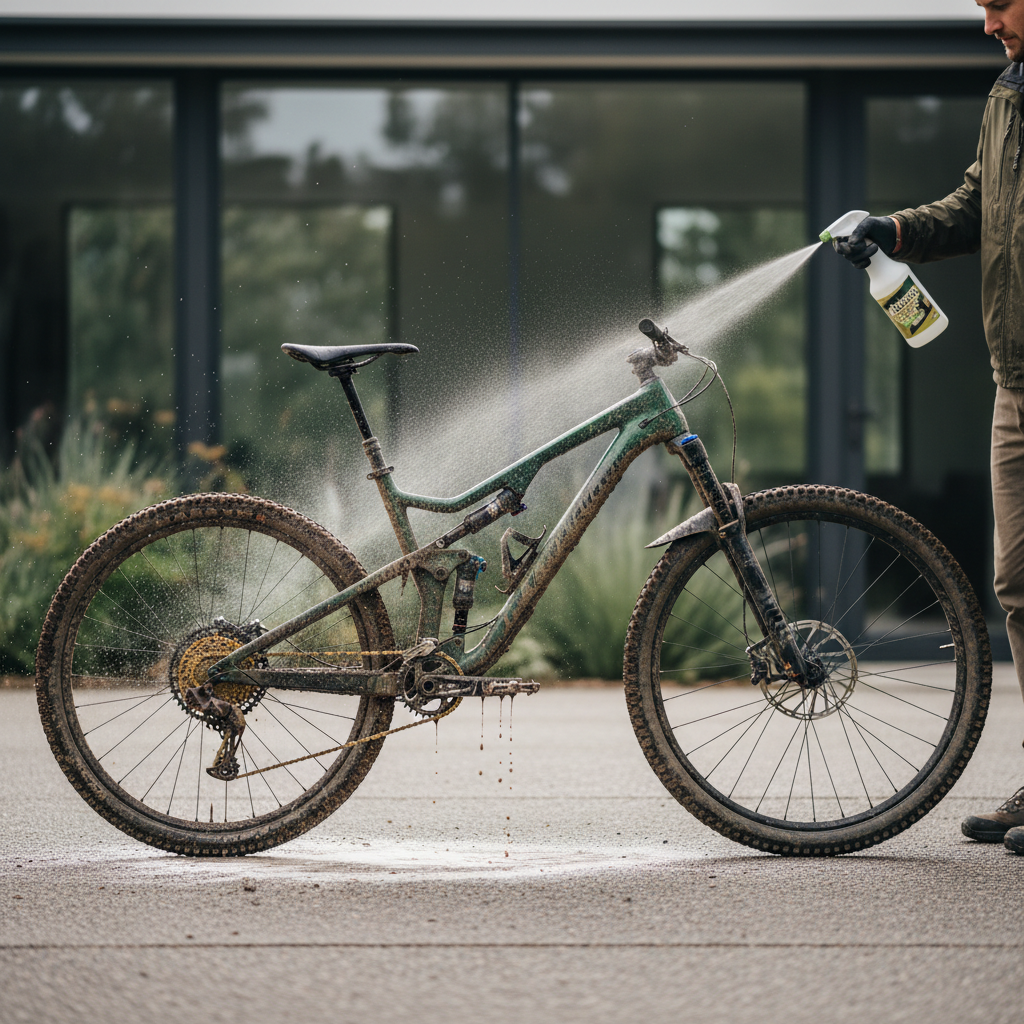
Sprays that perform well on dirt tend to do three jobs at once: they wet the grime so it stops clinging, they break the “greasy glue” that traps dust, and they rinse off without leaving a sticky film behind.
- Wetting action: helps the cleaner creep under dried mud and between tight gaps.
- Degreasing (controlled): strong enough for road film, not so aggressive it attacks seals or dulls paint.
- Easy rinse: if it needs endless scrubbing to come off, it often leaves residue that attracts more grit.
Also, don’t ignore smell and skin feel. A cleaner that irritates hands or fills a garage with harsh fumes tends to get used less, and consistency is what keeps dirt from turning into wear.
Why bikes get “dirty again” so fast (and it’s not just the trail)
Many riders blame the cleaner when the bike looks dusty the next day. In practice, the faster re-soil pattern usually comes from residue, under-rinsing, or spraying the wrong zones.
- Cleaner residue: some formulas leave surfactants behind, which can attract fine dust on dry rides.
- Chain overspray: blasting cleaner into the chain can strip lube, then the chain runs dry and grabs grit.
- High-pressure rinsing: it can drive dirty water past seals into bearings, then “weeping” grime shows up later.
- Road salt and winter brine: these create a sticky film that needs a slightly different approach than plain mud.
According to EPA, choosing products and usage habits that reduce harmful runoff helps protect local waterways, especially if you wash bikes on driveways where water can reach storm drains. That’s another reason to aim for “effective with minimal product,” not “strongest possible.”
Quick self-check: what kind of dirt are you fighting?
Before you shop for the best bike cleaner spray for dirt, it helps to label the problem. Different grime behaves differently, and “one spray for everything” is where people waste money.
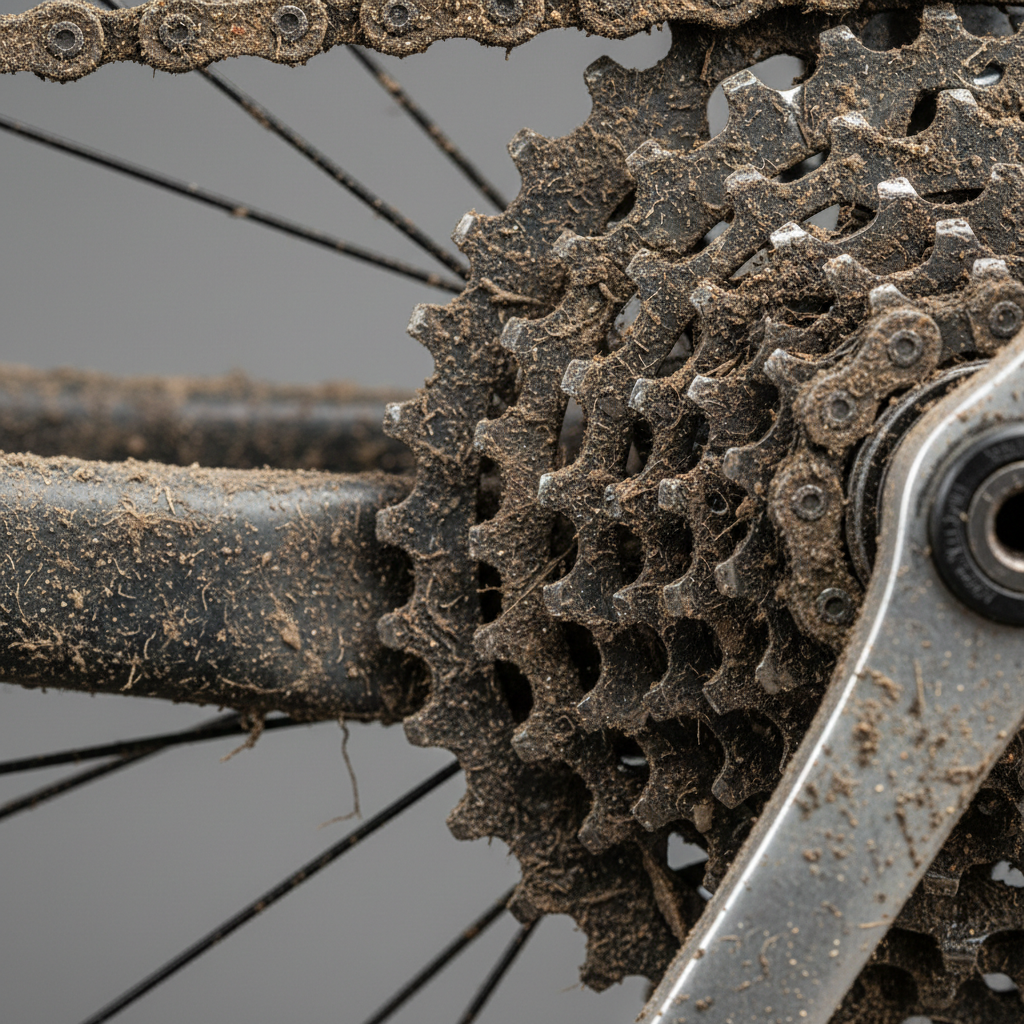
- Dry dust and trail grit: looks light, but it’s abrasive; often needs a rinse-first approach to avoid scratching.
- Caked mud: needs dwell time so the spray can soften it before brushing.
- Road film (oil + dust): needs mild degreasing, especially on chainstays and lower frame.
- Salt/brine residue: needs thorough rinse, plus attention to bolts and metal interfaces.
One more check that matters: matte paint, anodized parts, and frame protection films. These finishes can react poorly to overly strong solvents, so “bike-safe” labeling and a spot test matter more than marketing hype.
How to evaluate a bike cleaner spray (a practical scorecard)
If you’re comparing options for 2026, ignore “pro strength” language and use a few simple criteria. This keeps you from buying a cleaner that’s amazing in one scenario and annoying everywhere else.
| What to check | Why it matters for dirt | What to look for |
|---|---|---|
| Dwell time | Softens dried mud so brushing is lighter | Works in 2–5 minutes without drying fast |
| Rinse behavior | Residue can attract dust and streak finishes | Rinses clear, no “soapy drag” on rinse water |
| Finish compatibility | Matte and decals can haze with harsh chemistry | Bike-specific, safe for paint, carbon, alloy |
| Spray pattern | Controls overspray into bearings/drivetrain | Adjustable nozzle, not a wild mist cloud |
| Concentrate vs ready-to-use | Cost and storage convenience | Concentrate if you wash often, RTU if occasional |
In many garages, the “best” product is the one you’ll actually use weekly, not the one that wins a one-time deep-clean contest.
Best bike cleaner spray for dirt: pick by riding scenario
Rather than naming a single winner for everyone, it’s more honest to match the cleaner style to the mess you get most often. Here are common scenarios that show up in U.S. riding.
1) MTB and gravel in real mud
- Choose a cleaner with good cling so it stays on vertical surfaces.
- Prioritize “dirt-lifting” over heavy degreasing, then use a separate drivetrain degreaser only when needed.
- Look for a nozzle that can do a narrow stream for linkages and pivots.
2) Road bikes with oily road film
- A mild all-purpose bike wash works, but you’ll likely need a targeted drivetrain product occasionally.
- Avoid overspray on rotors, even “bike-safe” soaps can reduce braking performance until cleaned off.
3) E-bikes (extra wiring, extra weight, often more grime)
- Use a cleaner that rinses easily, then keep water pressure low near motor housings and connectors.
- Wipe around seals rather than blasting, slower but fewer headaches.
4) Winter salt and coastal riding
- Pick a spray that’s easy to rinse and pair it with more water volume, less brushing.
- Follow with drying and re-lubing, salt plus water left sitting is where corrosion starts.
A step-by-step wash routine that works (without overdoing it)
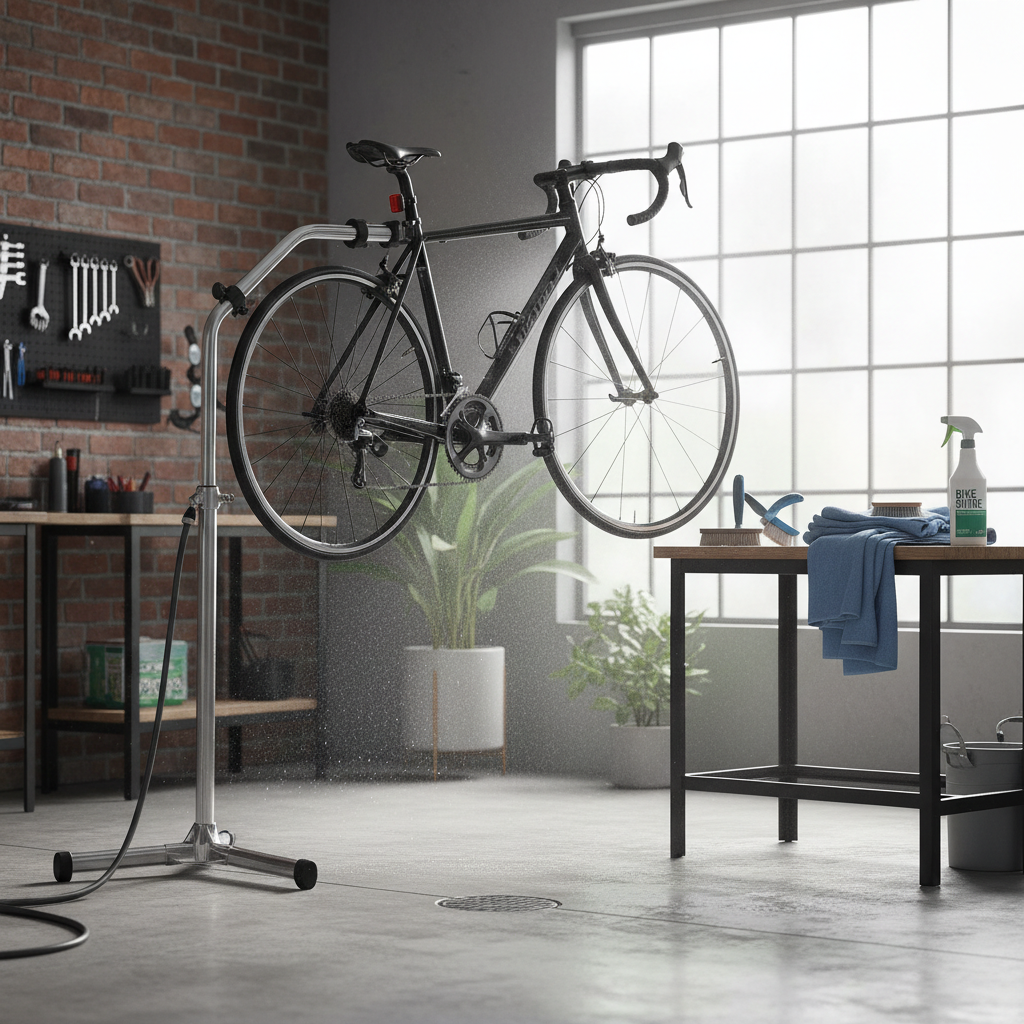
This is the routine that fits most riders who want consistent results with a best bike cleaner spray for dirt, without turning every wash into a project.
- Rinse first: low-pressure water to knock off loose grit, this reduces paint scratching.
- Spray and wait: apply to frame, wheels, and dirty zones, let it dwell a few minutes.
- Agitate lightly: soft brush for frame, stiffer brush for tires and lower fork legs.
- Drivetrain is separate: if you need degreasing, do it intentionally, avoid bathing the whole bike.
- Rinse thoroughly: spend extra time around the bottom bracket area and suspension linkage, but keep pressure gentle.
- Dry and re-lube: towel dry, then apply chain lube after the chain is dry to the touch.
Key point: a cleaner can remove dirt, but it can’t replace lubrication. Many “my chain is noisy” complaints start right after a deep wash.
Mistakes that waste cleaner (or damage parts)
These show up constantly, even among experienced riders. Fixing them often matters more than switching brands.
- Letting cleaner dry on the bike: can leave spotting, especially on matte finishes.
- Using heavy pressure near bearings: hubs, bottom bracket, headset, suspension pivots.
- Cross-contaminating brushes: using the drivetrain brush on the frame drags metal grit across paint.
- Spraying rotors and pads: if this happens, you may need a proper brake cleaning process, and in stubborn cases a shop inspection helps.
- Over-degreasing: makes drivetrains feel “clean” briefly, then wear can accelerate if re-lube gets skipped.
According to Shimano, brake components and drivetrains have specific maintenance considerations, and using appropriate cleaners and procedures helps maintain performance. If you’re unsure about a product’s compatibility, a conservative approach is a spot test and a gentle rinse routine.
Conclusion: what to buy, and what to do next
The best bike cleaner spray for dirt is the one that matches your most common grime, rinses clean, and fits a repeatable routine you’ll keep doing. If you ride mixed conditions, a bike-specific all-purpose spray plus a separate drivetrain degreaser covers most needs without going overly harsh.
Action-wise, keep it simple: pick a cleaner with good dwell and easy rinse, switch to a two-brush setup, and stop letting product dry on the frame. Those three changes usually outperform chasing a “magic” spray.
FAQ
What is the best bike cleaner spray for dirt if I ride in muddy trails?
Look for a spray that clings well and works with a few minutes of dwell time, mud removal is often about softening first, then light brushing, not brute force degreasing.
Can I use car wash soap or household cleaners on my bike?
Some mild soaps can work in a pinch, but many household cleaners vary in strength and may not be friendly to matte finishes, decals, or certain plastics, a bike-specific option is usually the safer bet.
Should I spray bike cleaner directly on the chain?
For routine washes, I’d avoid soaking the chain with general cleaner since it can strip lube, if the drivetrain is truly greasy, use a dedicated degreaser carefully and re-lube afterward.
How often should I clean my bike if it’s mostly dusty dirt?
Dusty conditions often call for more frequent light cleaning, even a quick rinse and wipe helps, because fine grit is abrasive and tends to migrate into moving parts over time.
Is “biodegradable” always safer for my bike and the environment?
It’s a useful signal, but it doesn’t guarantee gentle chemistry or safe runoff in every situation, follow label directions, use the minimum needed, and avoid washing where runoff reaches storm drains.
Why do my disc brakes squeal after cleaning?
It can happen if cleaner or dirty rinse water contacts rotors or pads, if squeal persists, you may need to clean rotors with an appropriate product and inspect pads, a bike shop can help if braking feels inconsistent.
Do I need different cleaners for carbon frames?
Often you can use the same bike wash on carbon, but it’s smart to avoid harsh solvents and do a spot test, if you notice haze or texture changes, stop and switch products.
If you’re trying to settle on one setup that stays convenient, consider pairing a reliable all-purpose spray with a small, targeted drivetrain degreaser and two dedicated brushes, it’s usually cheaper long-term and keeps “cleaning day” from turning into an all-afternoon thing.