When to switch from balance bike to bike usually comes down to one thing: whether your child already “gets” balance and can handle a few new demands, like pedaling and braking, without losing confidence.
If you switch too early, kids often stall out, tip over more, or decide they “hate bikes,” even though the issue is just timing and setup. If you wait too long, they may get bored on a balance bike or start riding too fast for the simple design and limited braking options.
This guide gives you practical cues to look for, a quick self-check, a simple decision table, and step-by-step ways to make the transition smoother, including when training wheels help and when they slow progress.
What “ready for a pedal bike” really means
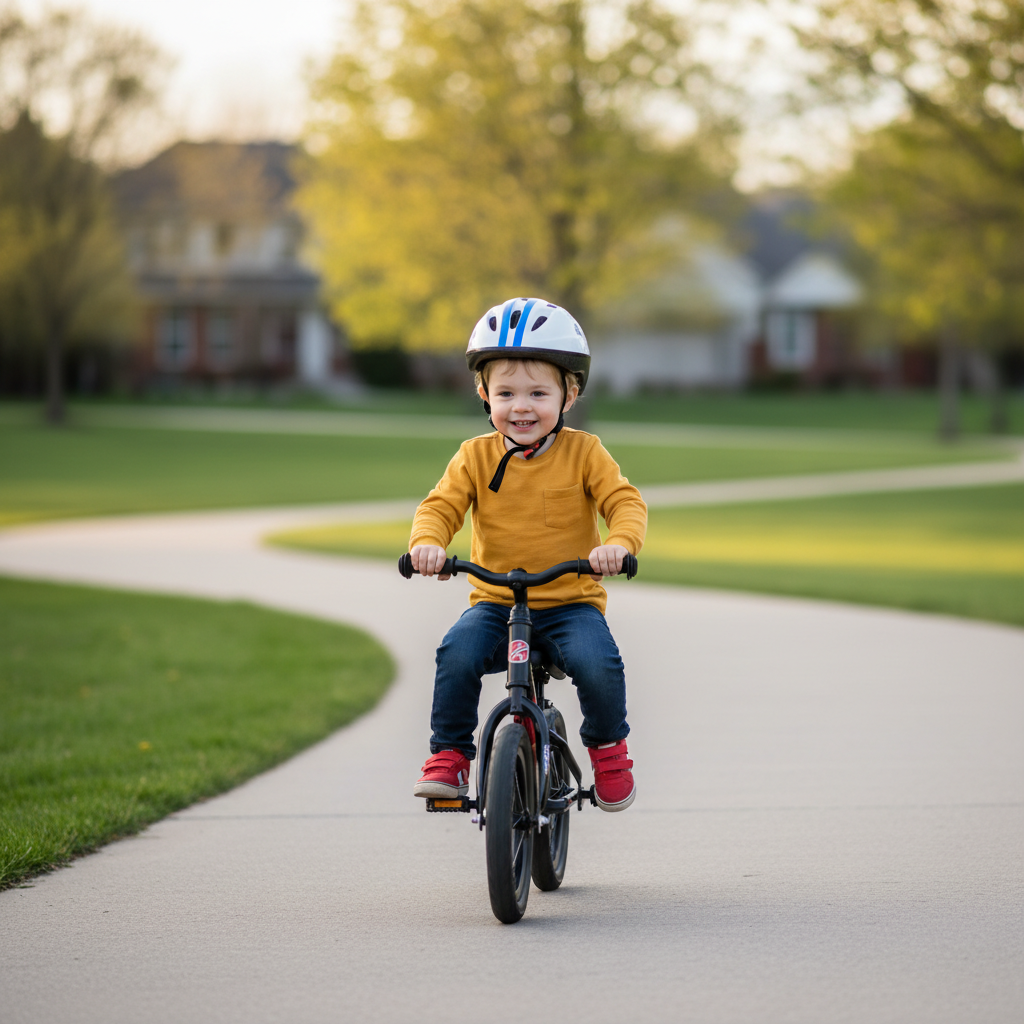
Most parents picture readiness as age, but in real life it’s skill and comfort. A child can be 3 and ready, or 6 and still building confidence. The pedal bike adds three big changes: the bike is heavier, the drivetrain encourages slower starts, and the child must coordinate pedaling while steering and braking.
The good news is that if your child learned true balance on a balance bike, the hardest part of bicycling is already in place. According to the American Academy of Pediatrics (AAP), kids should always wear a properly fitted helmet when riding, and adult supervision matters most during new-skill phases like transitioning to a new bike.
Common signs it’s time to switch (and what they look like)
Parents often ask for a single milestone, but a cluster of small signals tends to be more reliable. Here are signs that usually point to a smooth transition.
- Coasting with feet up for several seconds, especially through gentle turns, not just straight lines.
- Controlled stopping by dragging feet or using a hand brake on a balance bike (if equipped), without panic.
- Starts and stops on purpose, meaning they can push off, glide, then stop where they intend.
- Interest in “a big kid bike” or copying older siblings, motivation can carry them through awkward first tries.
- Comfort with speed on small hills or longer glides, suggesting balance feels automatic.
If these show up consistently over a couple rides, the “when to switch from balance bike to bike” question usually shifts from “are they ready?” to “what setup will make it easiest?”
Quick readiness checklist you can do in 5 minutes
Try this in a flat, quiet area. You’re not testing bravery, you’re checking basic control.
- Glide test: Can they push off and glide 10–15 feet with feet up?
- Steer test: Can they weave around two objects (cones, water bottles) without putting feet down every time?
- Stop test: Can they stop and stay upright, not crash-stop into a step?
- Restart test: After stopping, can they re-start without frustration melting the session?
- Attention test: Can they respond to “slow down” or “stop” within a couple seconds?
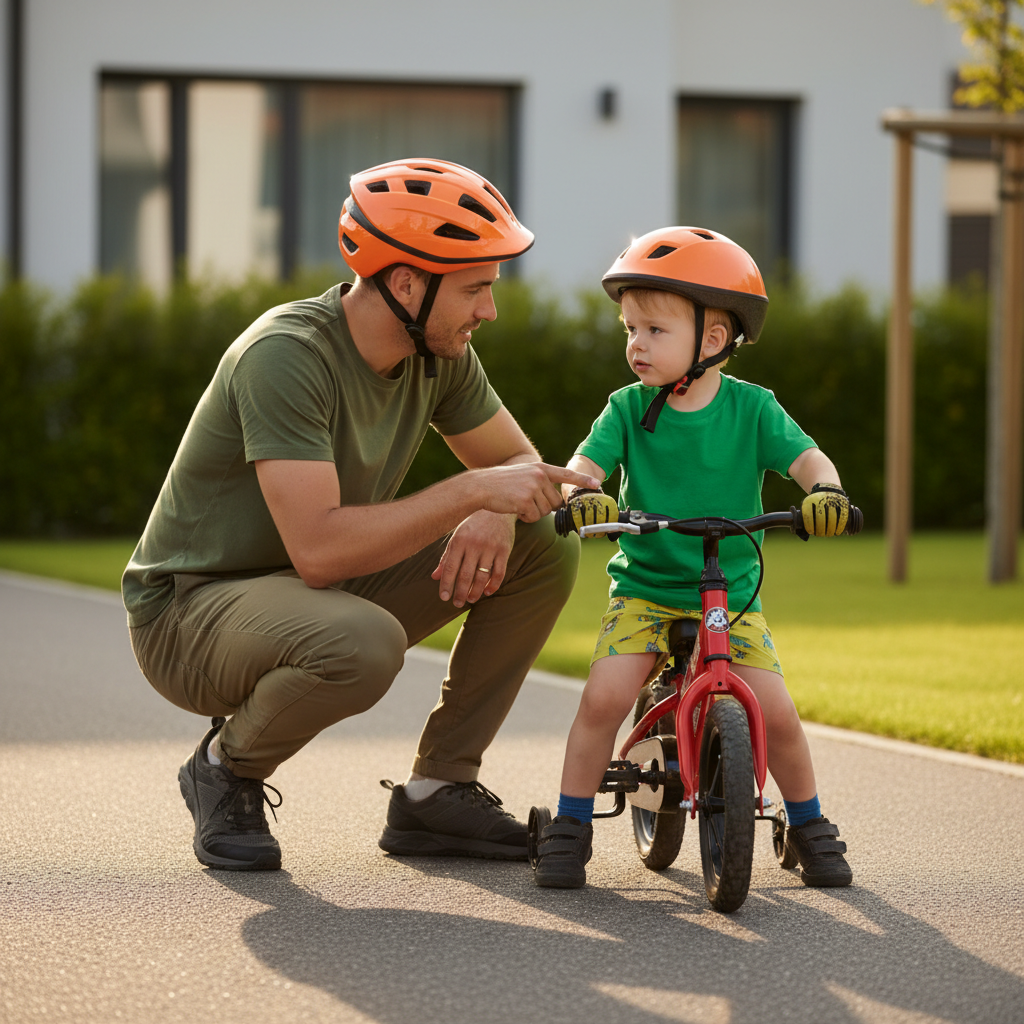
If they pass most of these, a pedal bike is usually worth trying. If they fail one item badly, that doesn’t mean “not ready,” it just tells you where to support them first, often braking or steering confidence.
Balance bike to pedal bike: a simple decision table
This is the part many families want: a quick, realistic map of options. Use it as a guide, not a rulebook.
| What you’re seeing | Likely situation | What to do next |
|---|---|---|
| Long coasts, smooth turns, calm stops | Ready for pedals | Try a lightweight pedal bike, remove training wheels, focus on starts |
| Great balance, but can’t stop predictably | Brake skill gap | Practice braking on a bike with easy-reach levers, consider coaster brake if appropriate |
| Balances only in a straight line, avoids turns | Steering confidence still forming | Stay on balance bike a bit longer, add gentle slalom games |
| Wants pedals badly, but gets frustrated fast | Motivation high, tolerance low | Short sessions, celebrate micro-wins, consider a “learn-to-pedal” session with a coach |
| Too tall for balance bike, knees high, unstable | Outgrown current size | Move up: larger balance bike if still needed, or fit a pedal bike carefully |
How to make the switch easier (step-by-step)
The transition works best when you reduce new variables. You’re not “teaching biking,” you’re layering pedaling onto an already-solid balance skill.
1) Get the fit right before anything else
A too-big bike is the fastest way to turn a ready kid into a nervous kid. Many kids learn faster when they can put the balls of their feet down while seated or just slightly off the seat, even if that’s not a “perfect” riding posture long-term.
- Seat height: Start lower than you think for early practice.
- Reach: Hands should comfortably reach grips and brakes, no stretched shoulders.
- Weight: Lighter bikes are easier to start, steer, and catch during wobbles.
2) Start on flat ground, then add gentle slope
Flat practice builds coordination, but a tiny downhill helps kids feel pedaling isn’t required immediately, they can balance first, then add a pedal stroke. A safe, mild slope with a long run-out often works better than pushing on grass.
3) Teach “power pedal” starts
Put one pedal at about the 2 o’clock position, ask them to push down hard, then find the other pedal. Many kids fail early attempts because they start with pedals level and can’t generate enough force to get moving.
- Mark the “start pedal” with a small piece of tape if it helps.
- Do 5–10 start attempts, then stop before they get tired.
4) Keep instructions short, then let them repeat
Most kids learn pedaling through repetition, not explanations. One cue at a time works, like “push, push, push,” or “eyes up.” Too many prompts often makes their arms stiff and steering worse.
Training wheels, no training wheels, or a convertible bike?
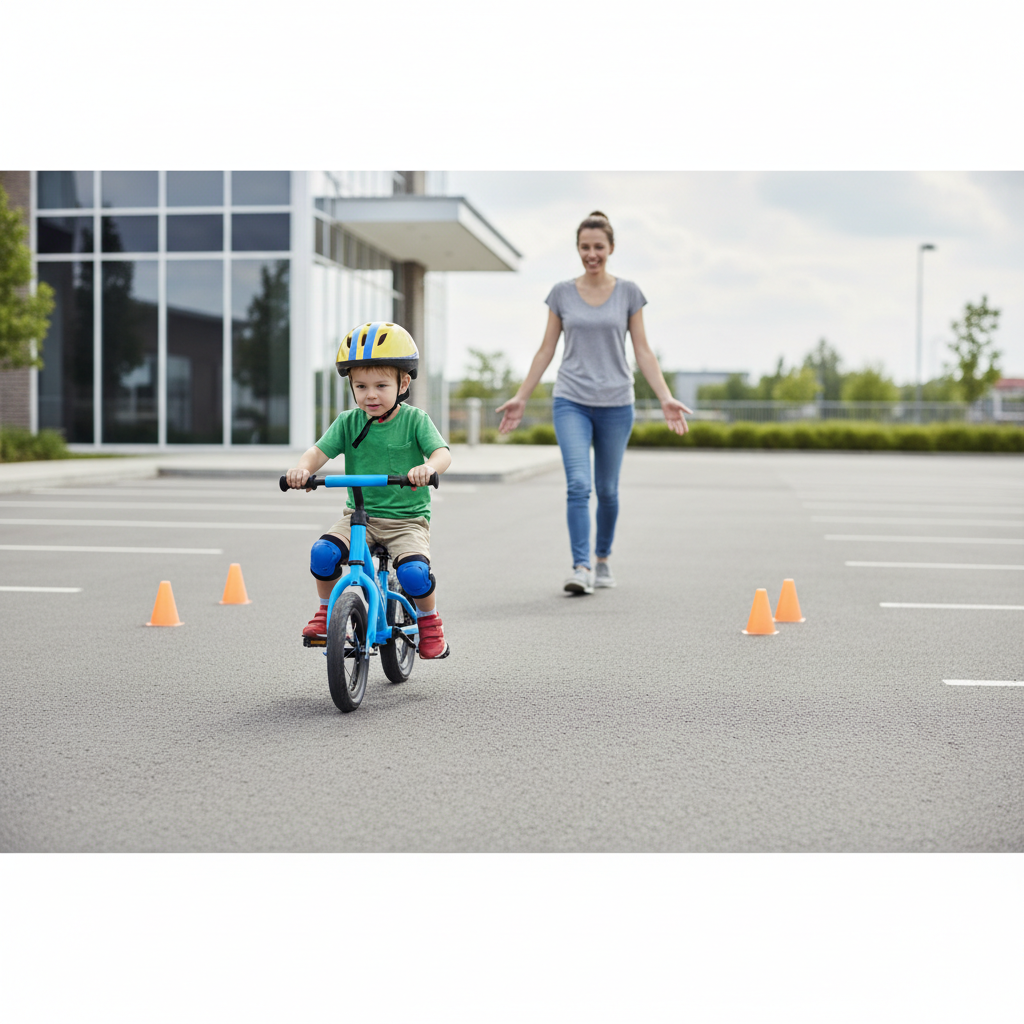
This topic can get oddly heated, but it’s more practical than ideological. If your child mastered balance on a balance bike, training wheels often reintroduce a problem: they prevent leaning, so kids steer by turning the handlebars instead of shifting weight, then struggle when wheels come off.
That said, there are situations where training wheels may still help for a short phase, like a very anxious child who refuses to try otherwise, or a kid with motor-planning challenges where incremental steps matter. If you use them, treat them as temporary and keep sessions short.
- Good candidates for skipping training wheels: steady coasting, turning confidence, curiosity about pedaling.
- Possible candidates for training wheels (briefly): high fear, frequent meltdowns, limited practice opportunities where you need quick “success.”
- Convertible options: some bikes convert from balance mode to pedals, which can reduce fit changes, but weight and geometry vary by model.
If you’re unsure, borrow or rent before buying. The “when to switch from balance bike to bike” decision often becomes clearer after one low-stakes test ride.
Safety and setup details that matter more than people admit
Switching bikes is also a safety upgrade moment. A slightly faster kid on a heavier bike changes how falls happen, and how quickly they can stop.
- Helmet fit: Level on the head, low on the forehead, straps snug. According to the National Highway Traffic Safety Administration (NHTSA), wearing a bicycle helmet is a key step to reduce head injury risk.
- Brakes they can use: If the hand brakes feel too stiff, kids grab and nothing happens, then they panic. Ask a bike shop to adjust lever reach and cable tension.
- Shoes: Closed-toe shoes with decent grip help prevent pedal slips.
- Practice location: Smooth, low-traffic, with plenty of run-out. Avoid steep hills until starts and stops look controlled.
If your child has any medical or developmental concerns that affect balance or coordination, it’s smart to check with a pediatrician or a pediatric physical/occupational therapist for individualized advice.
Key takeaways and a realistic “when” answer
The cleanest answer to when to switch from balance bike to bike is: switch when your child can glide, steer, and stop with calm control, and when the pedal bike can be sized small enough to feel safe on day one.
Action steps that usually pay off fast: do the 5-minute checklist this week, then schedule a short test ride on a properly fitted pedal bike, and keep the first few sessions focused on starts and easy stops rather than distance.
FAQ
- What age should my child switch from a balance bike to a pedal bike?
Many kids start experimenting around 3–5, but age varies a lot. If balance and stopping look solid, earlier can work; if confidence is shaky, waiting a bit often makes it easier. - How do I know if my child is outgrowing a balance bike?
If knees come up high, stride looks cramped, or they seem unstable even though they used to ride well, size is likely the issue. At that point, a larger balance bike or a small pedal bike with a low seat can help. - Is it bad to skip training wheels after a balance bike?
In many cases it helps to skip them, because balance is already learned. Training wheels can slow the transition for kids who already coast well, but they may be useful briefly for very hesitant riders. - What size pedal bike should I buy after a balance bike?
Size depends on inseam more than age. A bike shop can fit your child quickly, and you can prioritize a low minimum seat height so they can touch down easily during early practice. - My child can balance but won’t pedal, what should I do?
This is common. Lower the seat a bit, practice “power pedal” starts, and try a gentle slope so they feel momentum first. If frustration spikes, stop early and try again another day. - Should my child learn on grass to make falls safer?
Grass can feel safer, but it also adds rolling resistance, which makes pedaling harder. A smooth, flat surface with protective gear and close supervision often leads to quicker success. - How long does the transition usually take?
It varies from a single afternoon to several weeks, depending on practice frequency, bike fit, and temperament. Short, frequent sessions tend to work better than one long push.
If you’re deciding when to switch from balance bike to bike and you want a more “set it up once, avoid drama later” path, a quick fitting at a local bike shop or a short lesson with a kids’ cycling coach can save time, especially if braking or confidence is the sticking point.