Climbing Fitness for strength is really about making your training repeatable: knowing what to train (and what to stop chasing), so you can pull harder, hold smaller edges, and stay durable without living in the gym.
If you’ve been climbing a lot but still feel “not strong enough,” you’re not alone. Many climbers rack up sessions yet plateau because intensity, rest, and strength work never line up, so the body adapts slowly or not at all.
This guide breaks strength down into the pieces that matter most for climbing—fingers, pulling power, core tension, and shoulder stability—then gives you a practical weekly structure, a quick self-check, and a few red-flag mistakes that waste time or raise injury risk.
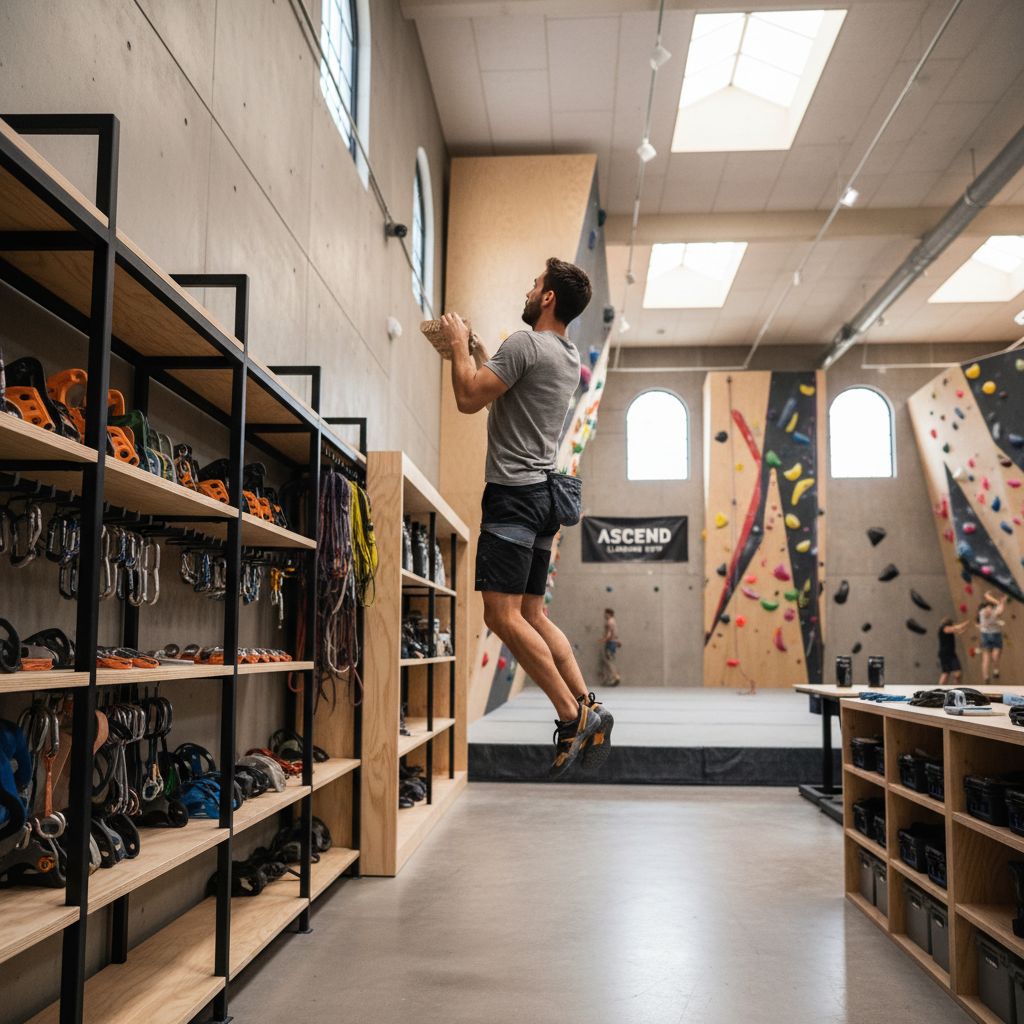
What “strength” really means in climbing
In climbing, strength rarely shows up as a single number like a bench press max. It’s more like a stack of capacities that have to cooperate on the wall.
- Finger strength: how much force you can apply through small holds, usually the top limiter for many intermediate climbers.
- Pulling strength: lats, biceps, upper back, plus scapular control so you can lock and move efficiently.
- Core and hip tension: keeping feet engaged, resisting swings, and transferring power to the next move.
- Shoulder health and stability: the “insurance policy” that keeps training consistent week to week.
Here’s the part people dislike hearing: you can improve strength by climbing more, but if you never expose your body to hard-enough efforts with enough recovery, adaptation stays small.
Why your strength stalls (common real-world causes)
Most plateaus come from a few predictable patterns, and they’re usually fixable without a total life overhaul.
- Too much medium effort: lots of sessions where you feel worked, but almost nothing is truly hard, and rest between tries is short.
- Not enough rest days: strength gains happen after training, not during it, especially for fingers and elbows.
- Random accessory work: doing “a bit of everything” but never progressing load, volume, or difficulty.
- Ignoring movement limits: you might be “weak” because footwork, pacing, or route reading leaks power.
- Minor pain you train through: tweaks become chronic, and your training intensity quietly drops.
According to the American College of Sports Medicine (ACSM), progressive overload and adequate recovery are core principles for strength development, and climbing is not exempt just because it’s a sport.
Quick self-check: what kind of strength do you actually need?
If you’re not sure where to focus, use this fast checklist. You can answer based on your last 5–10 sessions.
Finger-limited signs
- You fall when the hold feels “too small,” even though your body position seems fine.
- You can do the moves on bigger holds, but not on the intended grips.
- Your forearms pump fast on short, bouldery sequences.
Pulling/lockoff-limited signs
- You can hold the grip, but you can’t move off it, especially on steep terrain.
- Locking to reach the next hold feels like a max effort every time.
- Big moves feel possible only when you “campus” unintentionally.
Core/position-limited signs
- Your feet cut often, even on climbs others keep feet on.
- You swing off on direction changes or when matching hands.
- You struggle to keep hips close on overhangs.
Key point: if you can’t tell which category you’re in, film a few burns. What feels like weakness is sometimes timing, body position, or rushed breathing.
The strength priorities that usually pay off most
You can train a lot of things, but for most climbers, a small set of priorities gives a better return. If your schedule is tight, start here.
- Max finger strength (carefully): brief, high-quality efforts with long rest.
- Scapular control: keeps shoulders stable so pulling strength transfers to the wall.
- Core tension with hips: not just abs, but anti-swing and hip flexor capacity.
- Antagonists (push + external rotation): supports long-term shoulder and elbow health.
According to the National Strength and Conditioning Association (NSCA), strength programs tend to work best when they focus on a limited number of key adaptations, with consistent progression rather than frequent exercise swapping.
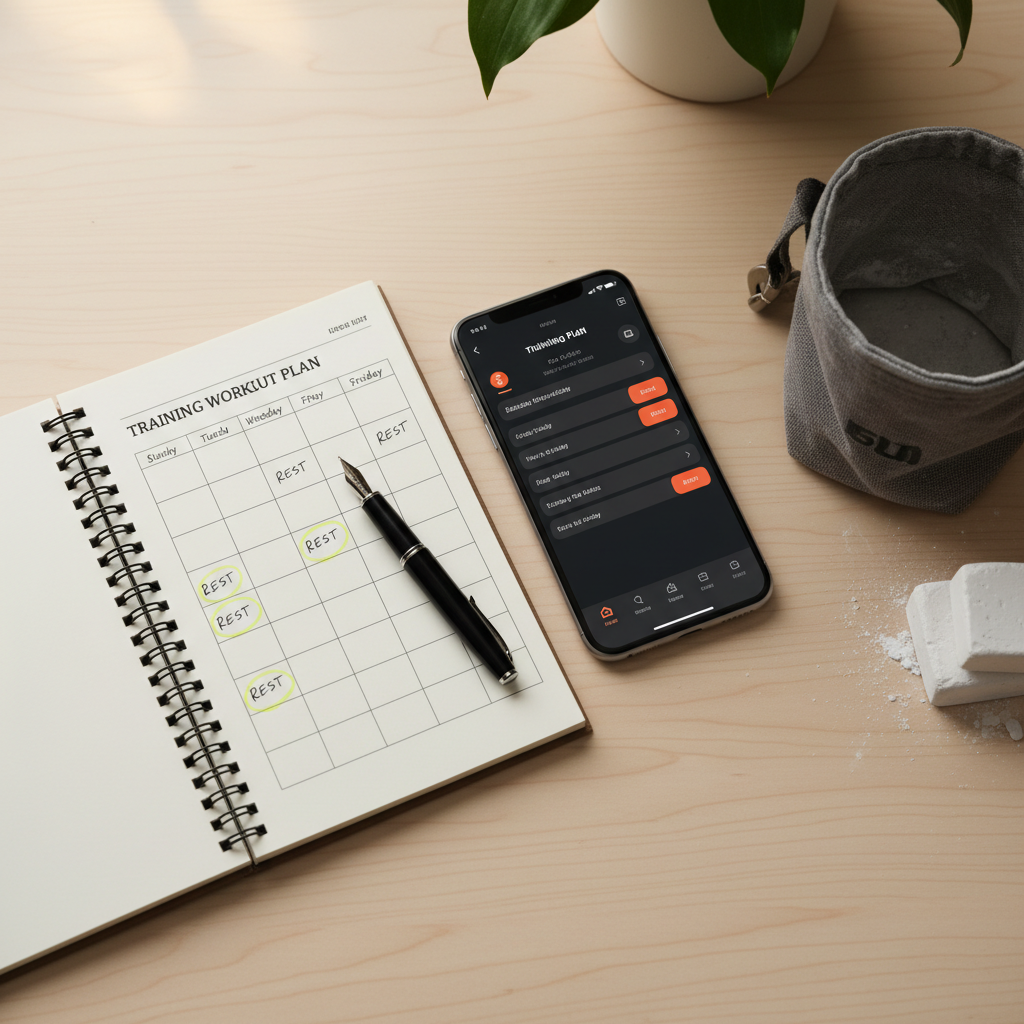
A simple weekly plan for Climbing Fitness (strength-focused)
This is a realistic template for many recreational climbers who climb 2–3 days per week. Adjust volume based on recovery, sleep, and how your fingers feel. If you have a history of finger pulley or elbow issues, consider consulting a qualified coach or medical professional before adding intensity.
| Day | Main focus | What it looks like |
|---|---|---|
| Day 1 | Limit bouldering + short strength | 4–8 hard problems, long rests, then 20–30 min pulling + core |
| Day 2 | Rest or easy movement | Walk, mobility, very easy climbing, stop before fatigue |
| Day 3 | Finger strength + technique | Hangboard (brief), then moderate routes focusing on efficiency |
| Day 4 | Rest | Sleep, food, light shoulder prehab if it feels good |
| Day 5 | Power endurance (optional) | Short circuits or boulder intervals, stop when form breaks |
| Day 6–7 | Climb for fun + recovery buffer | One day easy-moderate climbing, one day full rest if needed |
Key takeaway: strength work lands best when you protect at least one true rest day and keep your “hard” days actually hard, not endlessly medium.
Practical workouts: pick 2–3 and progress them
These options cover most strength needs without turning your week into a second job. Choose a few, track them, progress slowly, and keep quality high.
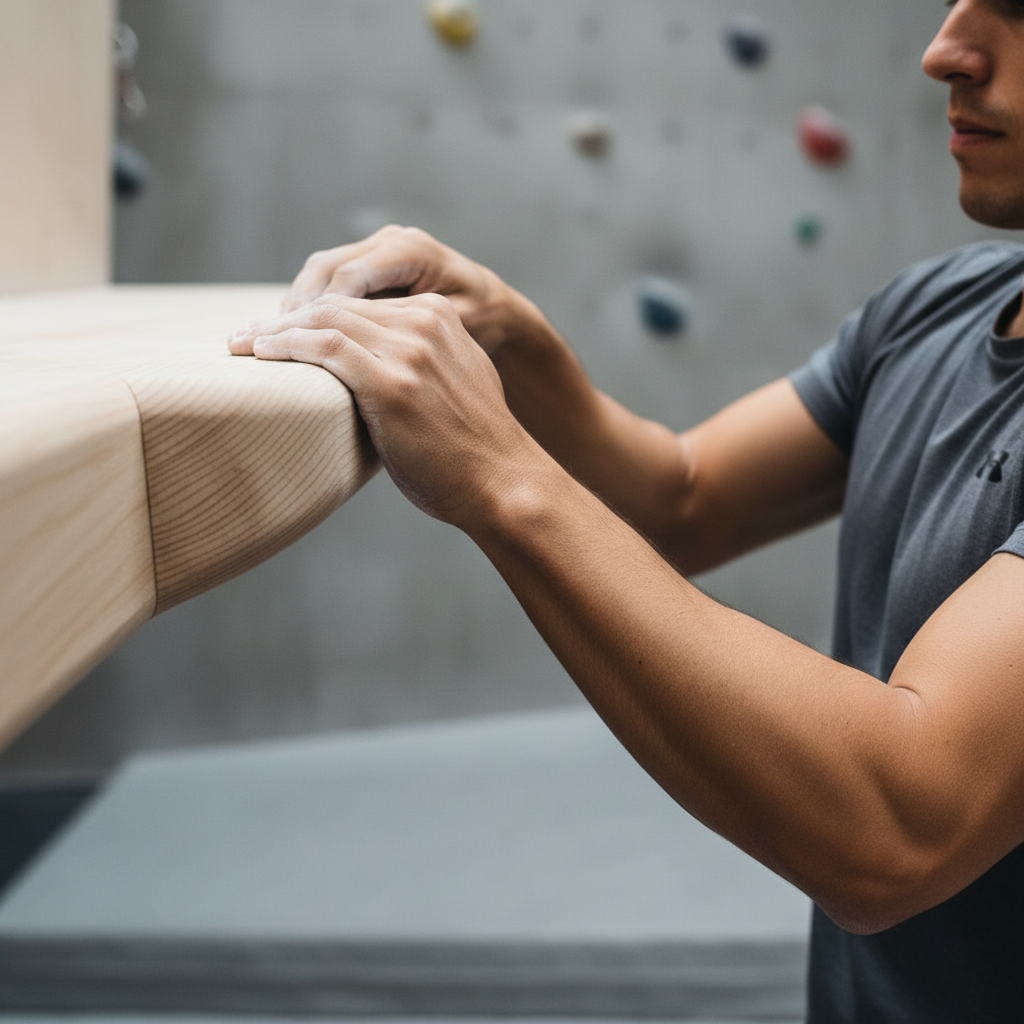
1) Max hangs (finger strength)
- How: 5–10 sec hangs on a comfortable edge, high effort, perfect form.
- Sets: 4–6 total hangs with 2–3 min rest.
- Progress: add a little weight or use a slightly smaller edge, not both at once.
- Safety: stop if you feel sharp pain or a “twinge,” that often signals tissue irritation.
2) Weighted pull-ups or assisted one-arm variations (pulling)
- How: 3–5 reps per set, controlled, full range if shoulders tolerate it.
- Sets: 3–5 sets with long rest.
- Progress: add small load increments or add reps while keeping form strict.
3) Scapular pull-ups + face pulls (shoulder control)
- Scap pull-ups: 2–3 sets of 6–10, move shoulder blades without bending elbows much.
- Face pulls: 2–3 sets of 10–15, light enough to feel smooth.
4) Core tension that transfers (anti-swing)
- Hollow holds or dead bugs: 2–4 sets of 20–40 seconds.
- Hanging knee raises: 3 sets of 6–10, avoid swinging.
- Pallof press: 2–3 sets of 8–12 per side for anti-rotation.
If you want one rule for Climbing Fitness progression, use this: change one variable at a time—load, reps, hold size, or total sets—then keep it for 2–4 weeks.
Mistakes that waste time (or invite injury)
A few patterns show up constantly, even among motivated climbers.
- Training fingers when already trashed: tired fingers often turn “strength work” into sloppy strain.
- Skipping warm-ups: fingers and shoulders tend to dislike surprise intensity, especially in cold gyms.
- Chasing novelty: new exercises feel productive, but strength usually comes from boring consistency.
- Testing too often: maxing weekly can stall progress; many people do better with planned build phases.
- Confusing pump with progress: fatigue feels like work, but strength often needs more rest than you expect.
According to the Centers for Disease Control and Prevention (CDC), general resistance training guidance emphasizes gradual progression and listening to pain signals, which matters even more when you load small connective tissues like fingers and elbows.
When to get coaching or medical help
Self-training works for many climbers, but some situations deserve a more careful plan.
- Finger pain that changes how you grip, especially if it persists for more than a week or two.
- Elbow pain that flares during daily tasks, not just climbing.
- Repeated shoulder tweaks, unstable feeling, or discomfort overhead.
- Strength has plateaued for months despite consistent sleep, nutrition, and a structured plan.
A climbing coach can help with programming and movement efficiency, and a physical therapist who understands climbers can help you keep training while you rebuild tolerance. If symptoms are sharp, sudden, or worsening, it’s usually smart to consult a qualified professional.
Conclusion: build strength without losing the joy of climbing
Climbing Fitness improves fastest when you treat strength as a small, repeatable system: a couple hard stimuli each week, enough rest to adapt, and a short list of exercises you actually progress. Keep your easy days truly easy, protect your fingers, and track just enough to notice trends.
If you want a clean next step, pick one finger protocol and one pulling protocol, run them for 4 weeks, and write down how you feel on the wall. Consistency beats excitement almost every time.
Key points to remember
- Strength ≠ fatigue: hard efforts plus rest usually outperform endless volume.
- Fingers, pulling, core cover most needs, shoulder stability keeps you training.
- Progress slowly, especially with hangboard work.
- Film and reflect: some “weakness” is technique leakage.
FAQ
- How many days a week should I train Climbing Fitness for strength?
Many recreational climbers do well with 2 hard days and 1–2 easier days, plus at least 1 full rest day. Your fingers and elbows usually tell you if you’re pushing volume too high. - Is hangboarding necessary for strength gains?
Not always. You can build finger strength through limit bouldering and targeted grip work, but hangboarding can be a more controlled way to apply progressive overload if you use conservative volume. - Should I train strength before or after climbing?
If the goal is max strength, many people place the highest-skill, highest-intensity work first, when fresh. For example, limit boulders first, then short accessories, but it depends on your schedule and how well you recover. - What if I only climb routes and not boulder?
You can still train strength. Add short, high-intensity efforts like powerful crux practice on steep routes, plus brief finger and pulling work off the wall, and keep one day lower intensity for volume and technique. - How do I know if I’m overtraining?
Common signs include persistent finger or elbow soreness, sleep disruption, motivation dropping, and performance trending down for multiple sessions. When that happens, reducing intensity and adding rest often helps more than adding another workout. - Can beginners do strength training for climbing?
Usually yes, but the dose matters. Many beginners get plenty of stimulus from climbing itself, plus basic pulling and shoulder stability, while aggressive finger protocols may be better delayed until tissues adapt. - Do I need a special diet for climbing strength?
Most climbers benefit from enough total calories and protein to recover, plus hydration. If you’re unsure or cutting weight, consider talking with a registered dietitian, because under-fueling can stall strength and raise injury risk.
If you’re trying to get stronger but your week feels chaotic, a simple training log and a repeatable 4-week block often makes the biggest difference. If you’d rather not guess, working with a coach for a short programming cycle can help you match Climbing Fitness work to your goals, schedule, and injury history.