Beginner Fitness is less about “going hard” and more about doing a few basics consistently, without getting hurt or burning out in week two. If you feel overwhelmed by workout plans, gym etiquette, or what to eat, you’re not alone.
This guide breaks the process into practical steps: how to set a realistic goal, what to do your first two weeks, how to structure strength and cardio, and how to know you’re progressing even if the scale barely moves. You’ll also get a simple schedule you can copy, plus a checklist to troubleshoot the most common beginner roadblocks.
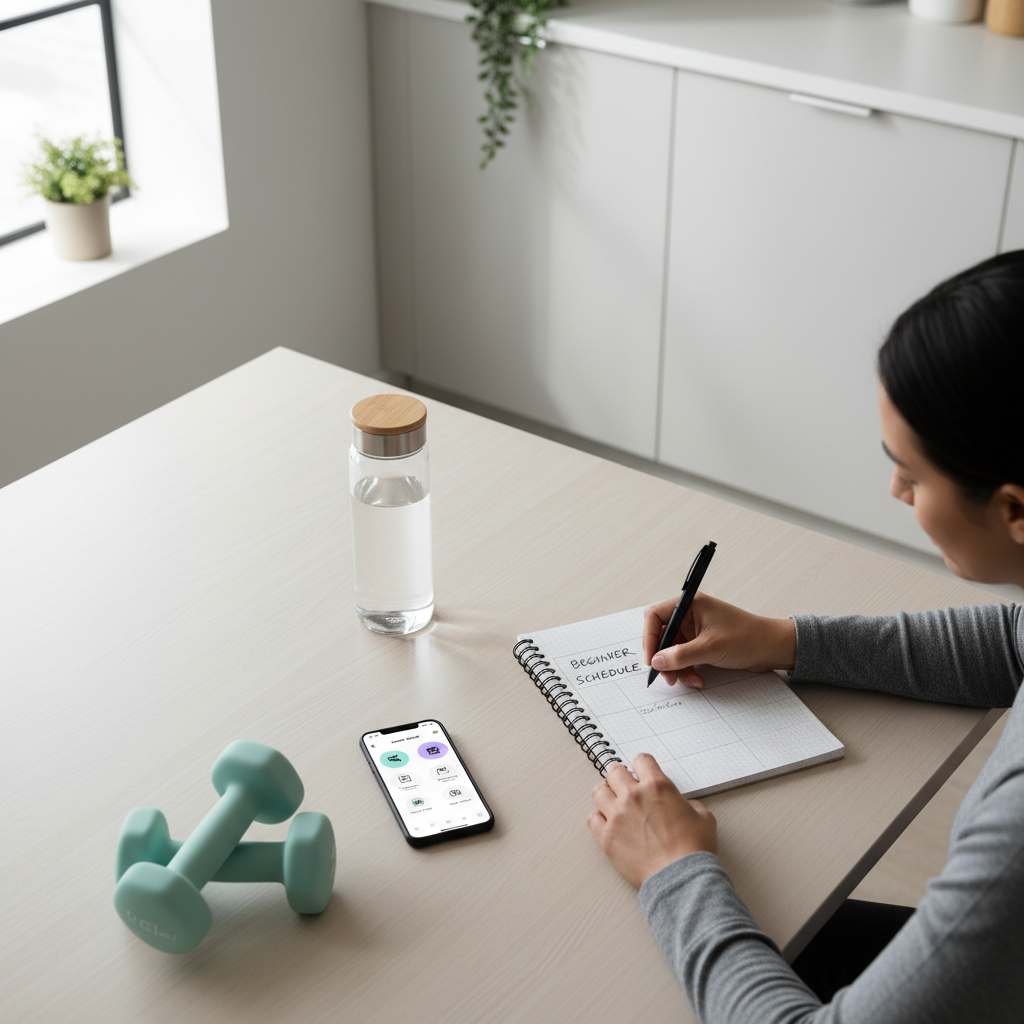
One quick clarification before we start: you don’t need perfect motivation, the “best” program, or a full home gym. Many people improve faster by picking a small plan they can repeat, then adjusting based on how their body responds.
Step 1: Set a goal you can actually follow
The goal isn’t to pick something inspiring, it’s to pick something that guides your decisions on busy days. “Get fit” is vague, but “walk 8,000 steps four days a week and lift twice a week” tells you what to do when life gets messy.
- Weight loss: prioritize consistency, daily movement, and strength training to keep muscle while dieting.
- Muscle and tone: focus on progressive strength training and enough protein, cardio stays but doesn’t dominate.
- Energy and health: mix moderate cardio, basic strength, and sleep routines, less pressure, more repetition.
According to the Centers for Disease Control and Prevention (CDC), adults generally benefit from regular aerobic activity plus muscle-strengthening activity. If you have a medical condition, pain, or you’re returning after a long break, it’s wise to check in with a clinician or qualified fitness professional.
Step 2: Learn the “Big 4” movement patterns (your shortcut)
Most beginner routines work when they cover a handful of patterns repeatedly, instead of random exercises every day. Think of these as your training alphabet.
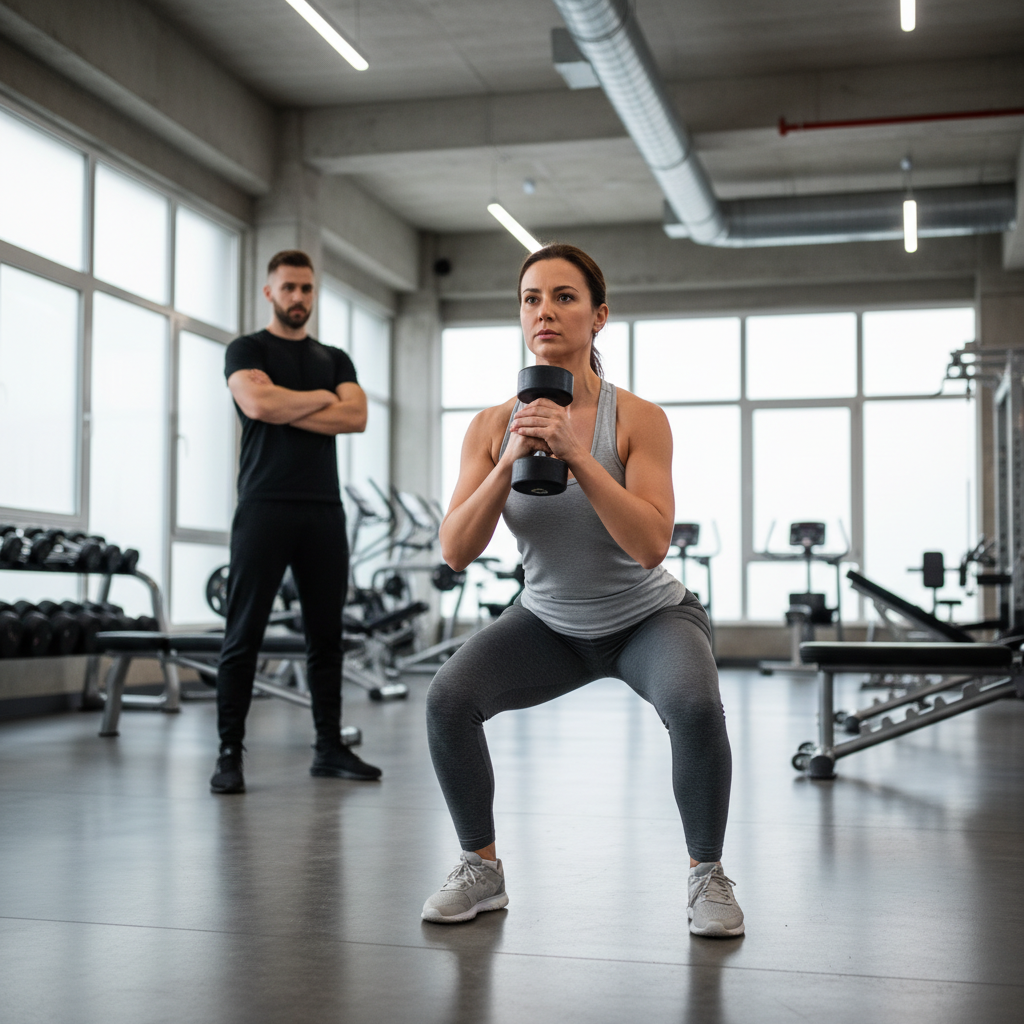
- Squat: sit-to-stand strength for legs and hips (bodyweight squat, goblet squat).
- Hinge: hip-driven power for glutes/hamstrings (Romanian deadlift, hip hinge drill).
- Push: chest/shoulders/triceps (incline push-up, dumbbell press).
- Pull: back/biceps and posture (row variations, band pull-aparts).
If you can do a version of each pattern with good form, you can train almost anywhere: gym, home, hotel, even a park.
Step 3: Pick your starting intensity (most people start too hard)
Here’s a beginner rule that saves a lot of frustration: you should finish most sets feeling like you could do 2–3 more reps with good form. That’s effort, not punishment.
Use this simple “traffic light” guide to choose the right level:
- Green: mild soreness, energy stable, sleep okay → keep going.
- Yellow: sore for 2–3 days, tired, form breaks → reduce sets or load.
- Red: sharp pain, joint pain, dizziness, lingering fatigue → stop and consider professional advice.
Beginner Fitness progress often looks boring at first, and that’s a good sign. The early goal is to build a routine your joints and schedule tolerate.
Step 4: A simple 4-week plan (copy/paste friendly)
This structure fits many people who want general fitness. It mixes strength and cardio without making either one overwhelming. Adjust days to match your week, but try to keep the pattern.
Weekly schedule template
| Day | Workout | Time | Effort |
|---|---|---|---|
| Mon | Strength A (full body) | 35–50 min | Moderate |
| Tue | Cardio (walk/bike/elliptical) | 20–35 min | Easy |
| Wed | Rest or mobility | 10–20 min | Very easy |
| Thu | Strength B (full body) | 35–50 min | Moderate |
| Fri | Cardio + optional core | 20–35 min | Easy to moderate |
| Sat | Steps/outdoor activity | 30–60 min | Easy |
| Sun | Rest | — | — |
Strength A (full body)
- Squat variation: 2–3 sets x 8–12 reps
- Push variation: 2–3 sets x 8–12 reps
- Pull variation: 2–3 sets x 10–15 reps
- Hinge variation: 2 sets x 8–12 reps
- Carry or plank: 2 rounds
Strength B (full body)
- Hinge variation: 2–3 sets x 8–12 reps
- Pull variation: 2–3 sets x 10–15 reps
- Push variation: 2–3 sets x 8–12 reps
- Split squat or step-up: 2 sets x 8–12 reps each side
- Core: dead bug or side plank, 2 rounds
How to progress week to week
- If all sets feel solid, add 1–2 reps next time.
- When you hit the top of the rep range, add a small amount of weight.
- If you miss a week, don’t “make up” volume, return one step easier.
Step 5: The warm-up that actually helps (and doesn’t waste time)
You don’t need a 20-minute routine to feel ready. Most people do better with a short sequence that raises body temperature and rehearses the movement pattern.
- 2–4 minutes: brisk walk, bike, or rowing at an easy pace
- 2 minutes: hip hinge drill, bodyweight squats, arm circles
- 1–2 warm-up sets: your first strength move with light load
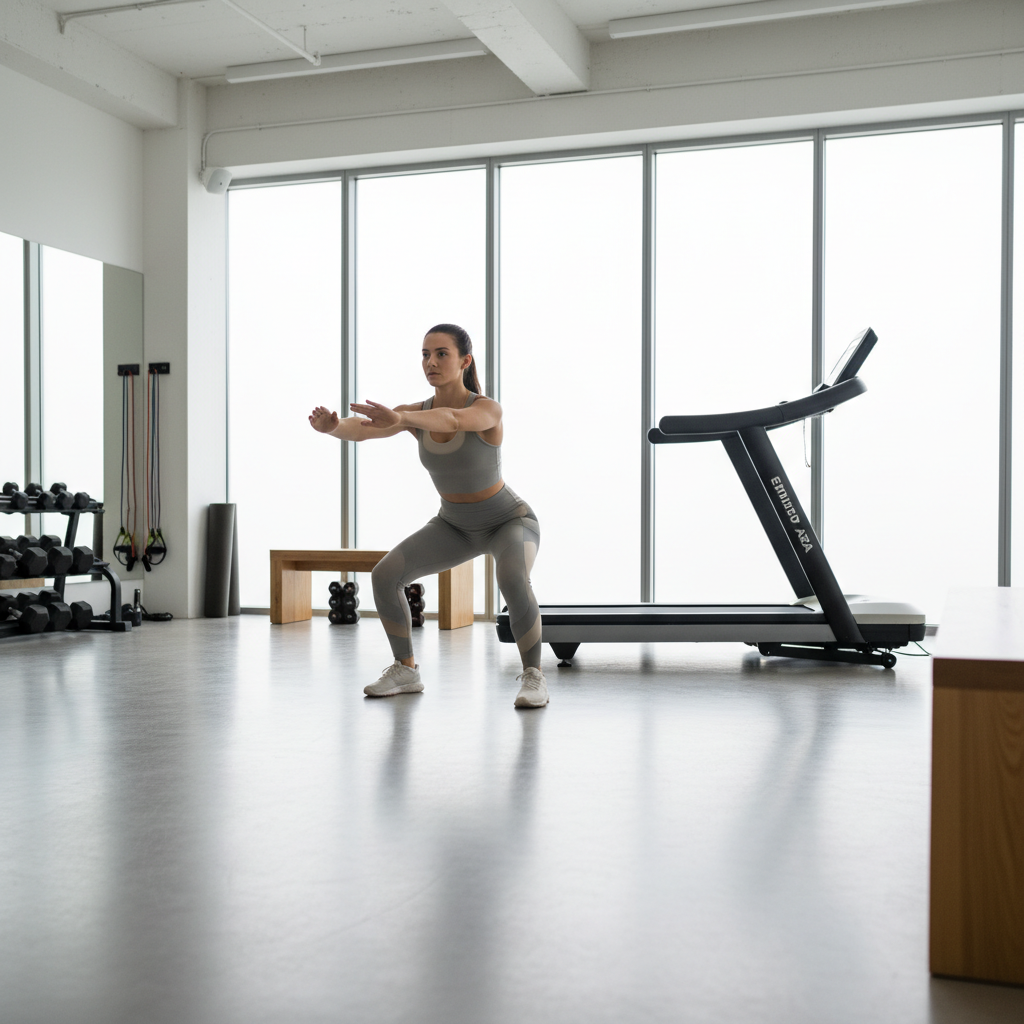
If you have tight hips, cranky shoulders, or a desk-job posture, warm-ups matter more. But if you’re short on time, do less, not nothing.
Step 6: Nutrition basics that won’t make you hate your life
Many beginner plans fail because food rules get too extreme. A more workable approach: keep it boring and repeatable for a month, then fine-tune.
- Protein each meal: chicken, fish, eggs, Greek yogurt, tofu, beans, lean beef.
- Plants daily: fruit and vegetables for fiber and micronutrients.
- Hydration: drink consistently, especially around workouts.
- “Mostly” rule: aim for mostly minimally processed foods, leave room for normal life.
According to the U.S. Department of Agriculture (USDA) Dietary Guidelines for Americans, balanced eating patterns that include nutrient-dense foods support long-term health. If you have a history of disordered eating, diabetes, or other medical concerns, nutrition changes should involve a qualified clinician or registered dietitian.
Common mistakes (and what to do instead)
- Doing random workouts every day: repeat a simple plan long enough to measure progress.
- Chasing soreness: soreness is a signal, not a score.
- Skipping strength because cardio “burns more”: strength training supports joints, posture, and body composition.
- Ignoring recovery: sleep and easier days often determine whether you quit or continue.
- All-or-nothing mindset: a 20-minute session counts, especially early on.
Beginner Fitness tends to improve fastest when you protect your consistency. The perfect workout that never happens loses to the decent workout you repeat.
How to know it’s working (even before you “look different”)
If you only track weight, you miss a lot of real progress. Try these markers for 2–4 weeks:
- You add reps or a little weight without form falling apart
- Stairs feel easier, walking pace increases naturally
- Resting heart rate trends down over time (many wearables show this)
- Energy and mood improve on most days
- Clothes fit slightly different, even if the scale is stubborn
Key takeaways: keep workouts simple, train the main movement patterns, progress slowly, and treat recovery like part of the plan, not a reward.
When to get professional help
Some situations deserve an extra set of eyes. Consider a certified trainer, physical therapist, or clinician if you notice persistent joint pain, dizziness, numbness, chest pain, or if you’re managing a chronic condition and unsure where to start. This is especially important if pain changes your movement pattern or gets worse session to session.
Conclusion: your next two weeks (keep it simple)
If you want a clean start, pick two strength days, add two easy cardio days, and keep everything at a level you can repeat. Track one thing, maybe reps or steps, and let that be your proof you’re showing up.
Your action step: open your calendar and schedule the next three workouts right now, then decide what “minimum effort” looks like on stressful days, because that’s the version of you that needs the plan most.
FAQ
What is the best Beginner Fitness routine if I’m out of shape?
Usually the best routine is the one you can repeat for 4–6 weeks: two full-body strength sessions plus easy walking or cycling. Start with lighter loads, keep reps smooth, and increase slowly.
How many days a week should beginners work out?
Many beginners do well with 3–4 training days. If your schedule is chaotic, even 2 days can move you forward, as long as you stay consistent and walk more on non-lifting days.
Should Beginner Fitness focus on cardio or weights first?
Most people benefit from both, but strength training often gives the quickest “life improvement” wins: stronger joints, better posture, and easier daily movement. Keep cardio easy at first, then build.
How long should a beginner workout be?
Thirty to fifty minutes is plenty for a full-body session. If you only have 20 minutes, shorten the exercise list and keep good form, rather than rushing through everything.
What should I eat before and after workouts as a beginner?
Before: something light with carbs and a bit of protein can help, like a banana with yogurt. After: a normal meal with protein and plants works for most people. If you train early, don’t overthink it.
Is soreness normal when starting fitness?
Mild soreness is common, especially in the first couple weeks. Sharp pain, joint pain, or soreness that keeps you from normal movement is a different signal, and it may be worth consulting a professional.
How do I stay motivated when results are slow?
Motivation comes and goes, so build a low-friction routine: same days, same time, same plan. Track small wins like reps, steps, or workout streaks, since they show progress before the mirror does.
If you’re starting Beginner Fitness and you’d rather not guess your exercises or progression, a simple personalized plan from a qualified coach or a reputable beginner program can save time, especially if you want guardrails around form, scheduling, and recovery.