Men’s Sportswear can make training feel easier or harder, and the difference is rarely “fashion” as much as heat, chafing, support, and how the fabric behaves once you start sweating.
If you have ever cut a session short because your shirt got heavy, your shorts rode up, or your waistband slid down mid-set, you already know the real problem, distraction. The right kit reduces friction, manages moisture, and moves with you, so you can focus on reps, pace, or form.
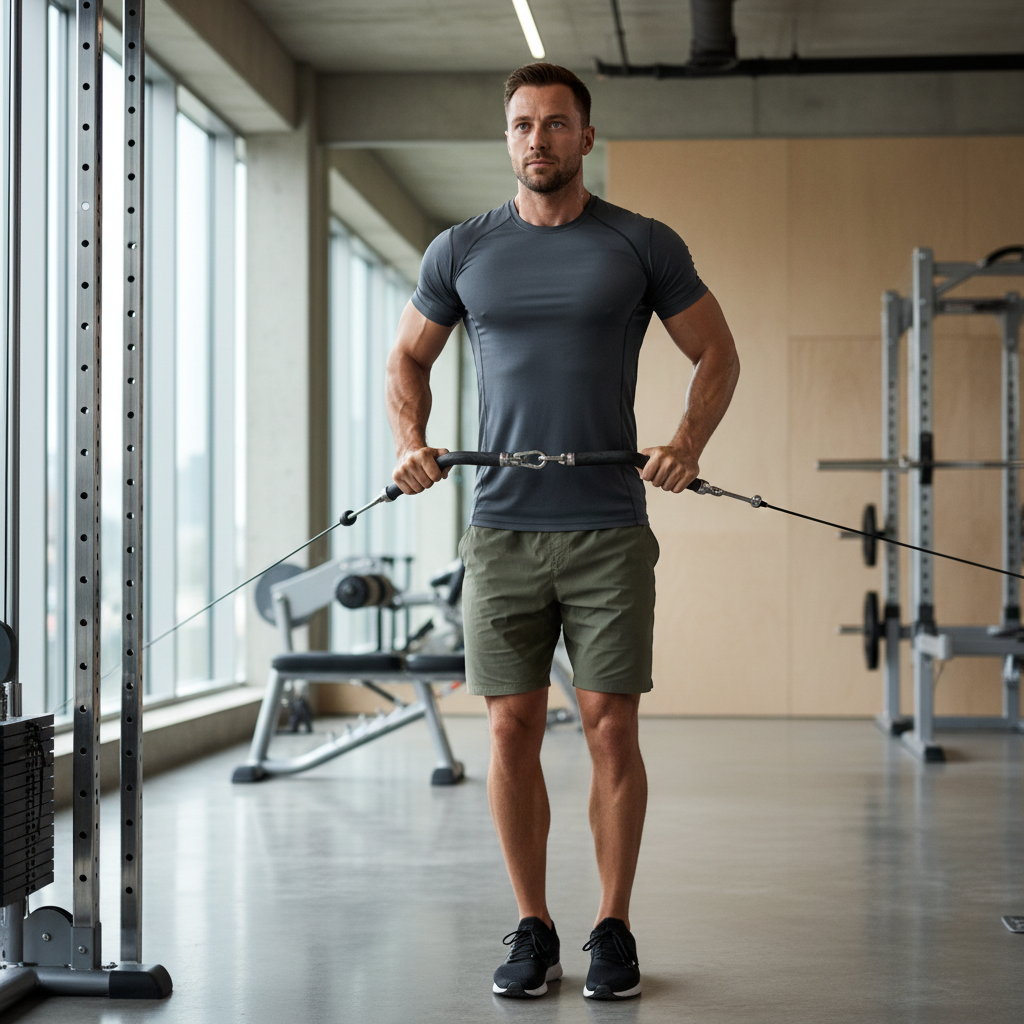
This guide breaks down what matters for training, not runway. You will get a quick decision checklist, a practical table by workout type, and a few buying rules that usually save money because you stop “re-buying” the same mistake.
What “best” really means for training (not just looking good)
Most guys shop by brand and discount, then wonder why the gear annoys them. For training, “best” usually means four boring things done well, and boring is good when you want consistency.
- Moisture management: fabric that pulls sweat off skin and dries fast, so it does not feel clingy.
- Mobility: patterning and stretch that follow squats, lunges, overhead work, and running stride.
- Comfort under friction: seams, waistbands, and inner thighs that do not rub when you repeat a movement 50 times.
- Durability where it counts: areas that meet barbells, benches, turf, and repeated washes.
According to the American Academy of Dermatology Association, breathable, moisture-wicking clothing can help reduce sweat-related skin irritation for many people, which is a quiet way of saying “less rash, less misery.”
Materials and construction: the stuff that decides comfort
Fabric labels can feel like alphabet soup, but you only need a working rule of thumb. Avoid cotton for high-sweat training in many cases, because it tends to hold moisture and stay damp. Cotton still has a place for low-intensity lifting or casual wear, but it is not a default “training” fabric.
Common fabric choices (and when they work)
- Polyester blends: common in performance tees and shorts, usually good at wicking and durability, quality varies by knit and finish.
- Nylon blends: often smoother than polyester, can feel cooler and more premium, sometimes better for compression or fitted pieces.
- Elastane/spandex: added for stretch, great in shorts liners, tights, and fitted tops, too much can trap heat if the knit is dense.
- Merino wool blends: can work for odor control and temperature regulation, often pricier, not always as abrasion-resistant for heavy gym use.
Construction details that matter more than the logo
- Flatlock seams or smooth seam placement to cut down on rubbing.
- Gusseted crotch in shorts or pants for better range of motion.
- Secure waistband that sits still during jumps, sprints, and squats.
- Mesh zoning in high-heat areas if you run hot.
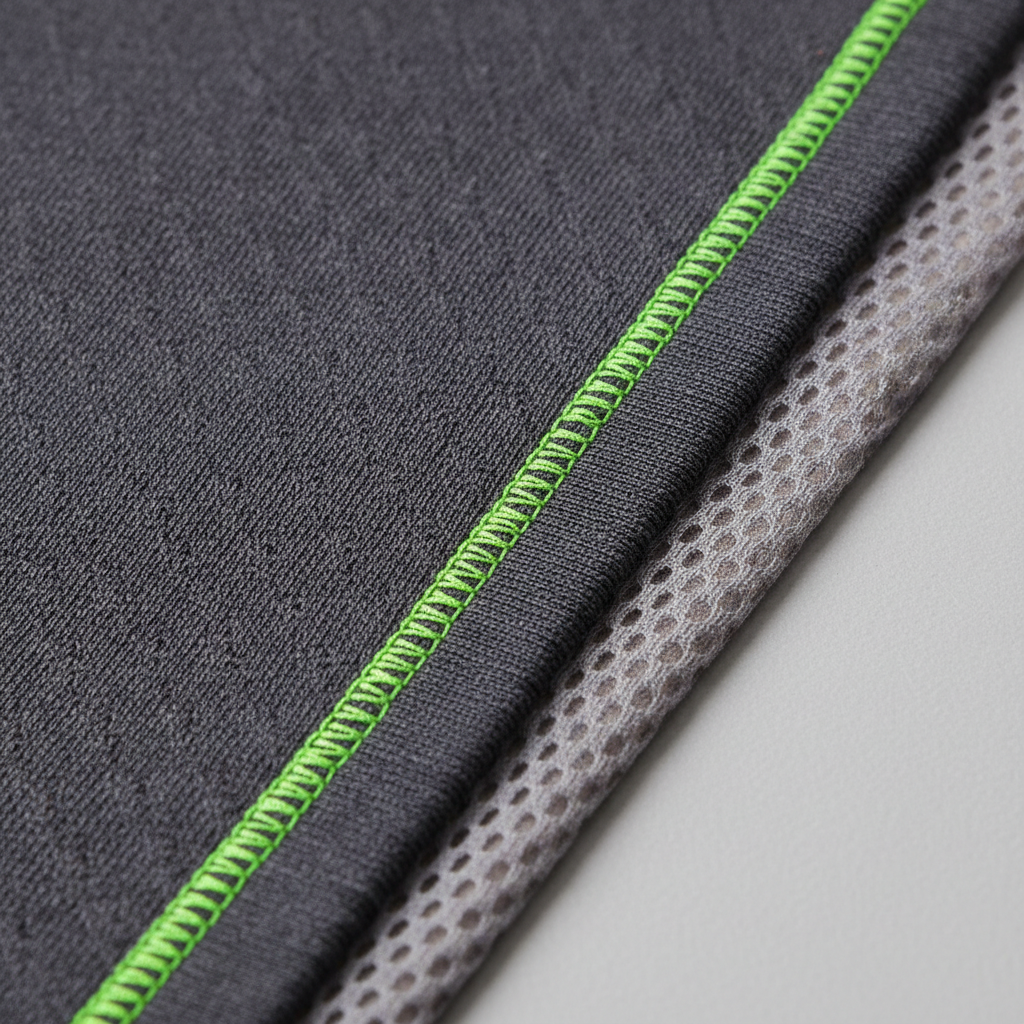
One more thing people miss, “anti-odor” finishes can help, but they are not magic. If you train frequently, you still need enough rotation and the right wash habits, otherwise any fabric will get funky.
Pick Men’s Sportswear by training type (quick table)
Your workout decides your priorities. A runner needs bounce control and sweat handling, while a lifter may care more about durability and freedom in hips and shoulders.
| Training type | Top priorities | Good picks | Watch-outs |
|---|---|---|---|
| Strength training (gym) | Mobility, durability, non-slip waist | Stretch tee, training shorts with gusset | Overly thin fabric that becomes see-through when you squat |
| HIIT / circuits | Sweat management, chafe control | Moisture-wicking top, shorts with liner | Cotton tops, rough inner seams |
| Running (road/treadmill) | Lightweight, ventilation, pockets | Technical tee, split shorts or lined shorts | Loose waistbands, heavy fabrics that soak |
| Outdoor training (cold) | Layering, warmth, wind control | Base layer + mid layer + light shell | Over-layering, sweat trapped under waterproof shells |
| Yoga / mobility | Stretch, comfort, coverage | Soft training tee, tapered joggers or tights | Stiff waistbands that dig in during deep bends |
A fast self-check: what should you buy first?
If you want the simplest approach, do not rebuild your entire closet. Identify the one thing that annoys you during training, then buy one upgrade that fixes it.
- Your shirt feels heavy and clingy: switch to a lighter synthetic or merino blend, prioritize fast-dry.
- Inner thighs rub: try lined shorts, or add compression shorts, pay attention to seam placement.
- Waistband rolls or slips: look for wider waistbands, internal drawcords, and better sizing.
- You overheat fast: pick looser cuts, mesh zones, and lighter colors for outdoor sessions.
- You feel restricted in squats or overhead press: look for gussets, 4-way stretch, and a more athletic cut.
Key takeaway: most “bad gear” problems come from fit and friction points, not from a lack of expensive technology.
Practical buying guide: tops, bottoms, layers, and socks
Shopping becomes easier when you treat each item as a tool. Below is what tends to matter for Men’s Sportswear in training settings, without overcomplicating it.
Tops (tees, tanks, long sleeves)
- Fit: athletic but not tight enough to restrict shoulders, check reach overhead and across body.
- Fabric: midweight wicking knit for gym, lightweight for running, merino blend if you value odor control.
- Seams: avoid bulky shoulder seams if you do a lot of pressing or wear a backpack to the gym.
Shorts and pants
- Inseam choice: many runners like 5–7 inch shorts, many lifters prefer 7–9 inch for coverage, but comfort wins.
- Liner vs no liner: liners reduce chafe for many people, but some prefer separate compression shorts.
- Pockets: zip pocket matters if you run outside, optional in the gym.
Base layers and outer layers
- Cold weather: a breathable base layer beats piling on thick hoodies that trap sweat.
- Wind/rain: look for ventilation features, fully sealed rain shells can feel like a sauna during hard work.
Socks and underwear (unsexy, high impact)
- Socks: cushioned where you need it, snug arch support, moisture-wicking yarns, no sloppy bunching.
- Underwear: consider longer inseams or compression-style fits if chafing shows up often.
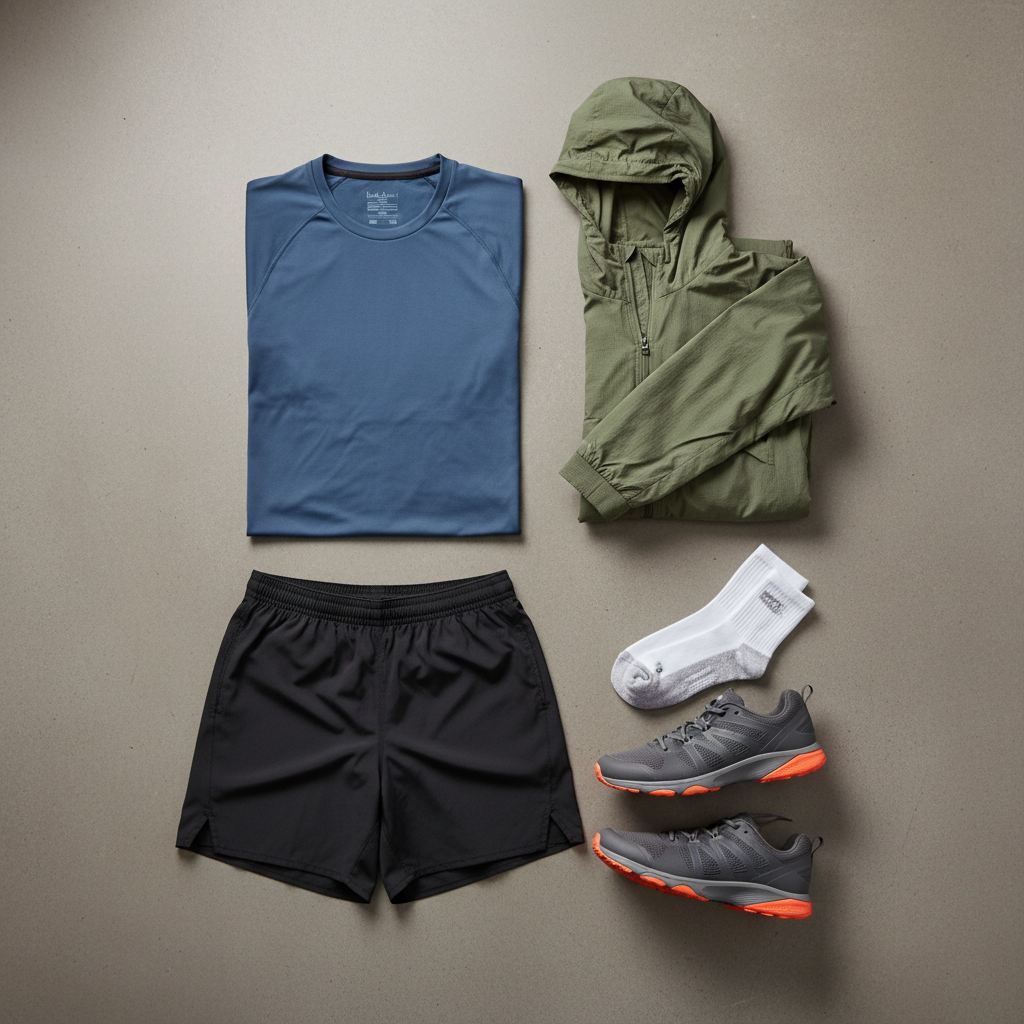
According to the Centers for Disease Control and Prevention (CDC), staying physically active supports overall health, and while clothing is not the point, discomfort can become the tiny reason you skip a session. Comfort is not vanity, it is adherence.
Common mistakes that waste money (and how to avoid them)
- Buying one “do-everything” outfit: running gear and lifting gear overlap, but not perfectly, build a small rotation by use.
- Ignoring fit checks: if you cannot deep squat or raise your arms without tugging, it will annoy you later.
- Over-indexing on compression: compression can feel supportive, but too tight may trap heat or limit movement for some bodies.
- Assuming price equals performance: sometimes true, often not, focus on seams, fabric weight, and finishing.
- Washing wrong: fabric softener can reduce wicking for some technical fabrics, air-drying often helps longevity, follow the label.
If skin irritation, recurring rashes, or unusual pain shows up, it may be more than “bad fabric.” Consider checking with a healthcare professional, especially if symptoms persist or worsen.
How to build a simple training wardrobe (without overbuying)
A realistic setup for most people is small and repeatable. You want enough pieces to rotate between washes, and enough variety to cover your main workouts.
- 2–4 training tops: at least two lightweight wicking options if you sweat a lot.
- 2–3 shorts: one lined pair if chafe happens, one pocket-friendly pair if you run outside.
- 1 warm layer: breathable long sleeve or midlayer for cool days.
- 2–4 pairs of performance socks: this is where comfort surprises most people.
If your budget feels tight, upgrade in this order for many training routines, socks and underwear for friction, then shorts, then tops, then layers.
Conclusion: what to prioritize when choosing Men’s Sportswear
Men’s Sportswear for training works best when it disappears on your body, no tugging, no rubbing, no heavy sweat-soaked fabric that changes how you move. If you only change one thing, fix the biggest distraction you feel during workouts, then build a small rotation around that win.
Action steps: do one fit-and-movement check at home before you remove tags, and keep notes on what irritated you during the last three sessions, that usually points to the next smart purchase.
FAQ
- What is the best fabric for men’s training shirts?
For many workouts, polyester or nylon blends handle sweat and dry faster than cotton. If odor is your main issue, merino blends can help, but durability varies by knit. - Are lined shorts worth it for training?
Often, yes, especially for HIIT and running where rubbing happens. If you dislike liners, separate compression shorts can give similar benefits with more flexibility. - How tight should compression gear feel?
Snug, not restrictive. If you feel numbness, pinching at seams, or limited range of motion, sizing or cut probably needs adjustment, and comfort should win. - Can I lift weights in running clothes?
Usually fine, but watch for thin fabrics that go sheer under strain and waistbands that slip during squats. Many runners end up keeping one sturdier short for the gym. - How do I stop chafing during workouts?
Start with seam placement and fit, then consider longer liners or compression shorts. For recurring issues, anti-chafe balms may help, and persistent irritation may warrant medical advice. - How many outfits do I need to train 4–5 days a week?
Many people do well with 3–4 tops and 2–3 bottoms, plus enough socks and underwear to avoid “forced repeats” when laundry falls behind. - Do “anti-odor” shirts actually work?
They can reduce odor for some users, but they are not permanent solutions. Washing routine, sweat level, and fabric quality all influence results.
If you are trying to dial in Men’s Sportswear for a specific routine, like mixing lifting with weekly runs or training outdoors in variable weather, it can help to map your week and build a small, intentional kit around the sessions you actually do, not the ones you plan to do.